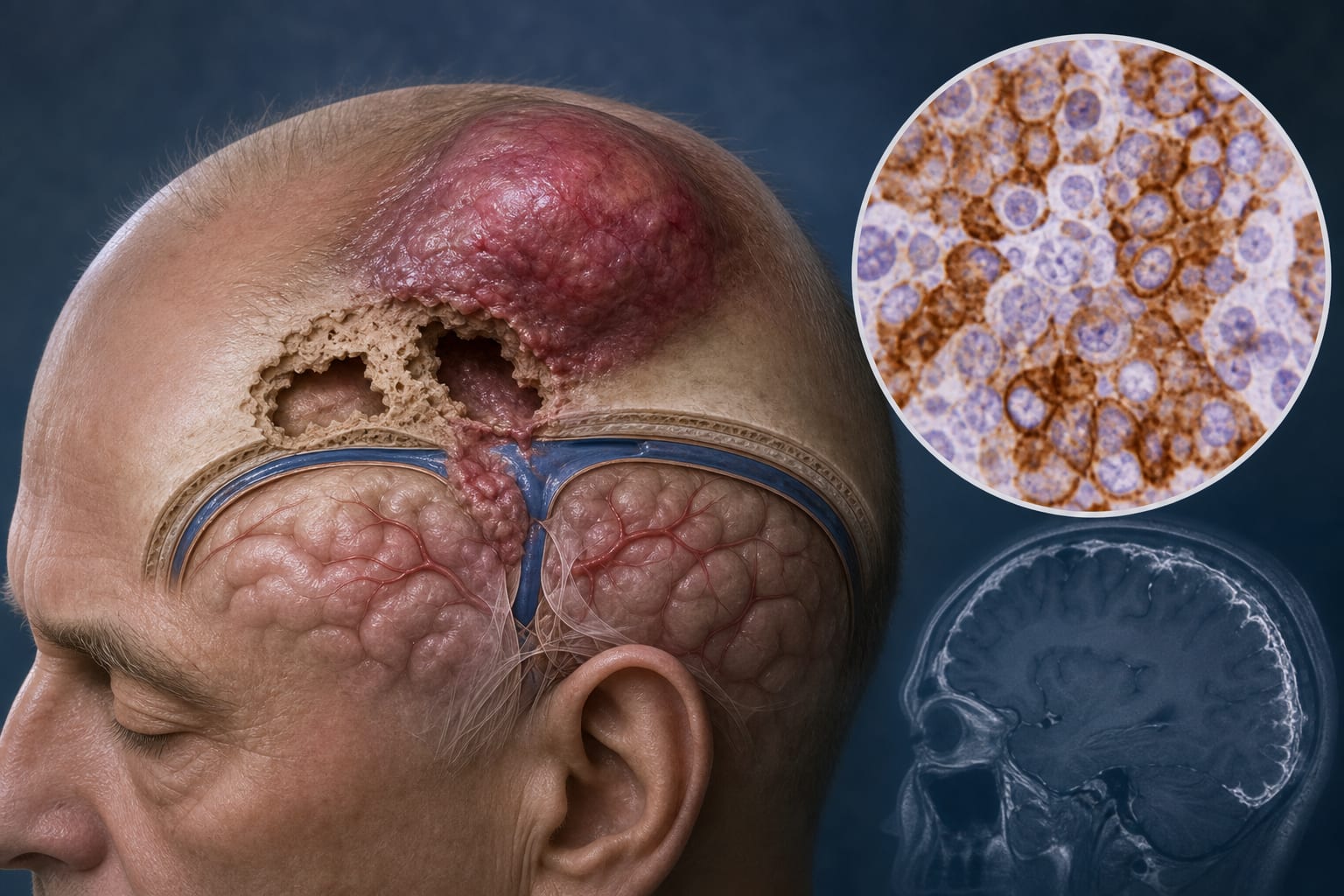
To explore how the neural microenvironment drives glioma progression through non-synaptic mechanisms, including metabolic coupling and ionic transmission, and to identify potential therapeutic strategies.
Key Findings:
Genomic and epigenomic alterations alone do not fully explain glioma infiltration and therapeutic resistance.
Neural microenvironment interactions contribute to excitation-inhibition imbalances and large-scale neural connectivity disruptions.
Clinical manifestations such as epilepsy, cognitive deficits, and mood disorders correlate with circuit-level disturbances and patient survival outcomes.
Interpretation:
The neural microenvironment plays a critical role in glioma progression, suggesting that therapeutic strategies should target non-synaptic interactions.
Limitations:
The review primarily focuses on non-synaptic mechanisms without exhaustive exploration of synaptic contributions.
Potential biases in the selection of studies and methodologies may affect the comprehensiveness of findings.
Conclusion:
A shift towards understanding glioma progression through the lens of neural microenvironment interactions, while considering synaptic contributions, may enhance therapeutic outcomes.