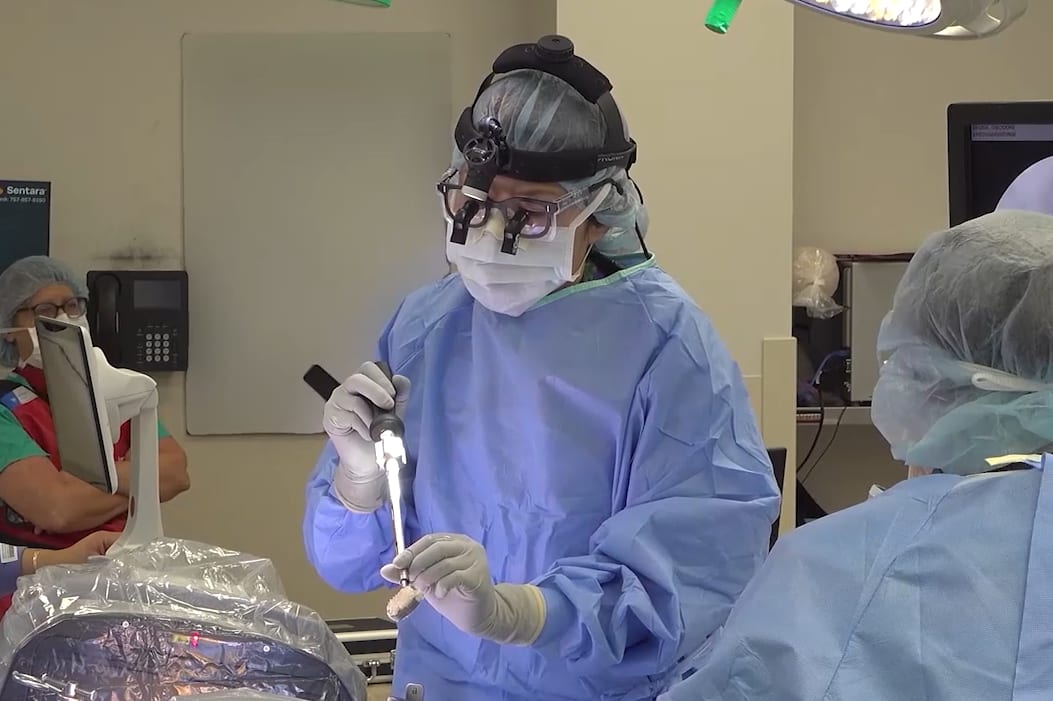
To describe the surgical technique for continuous intraventricular interferon alpha infusion in pediatric patients with subacute sclerosing panencephalitis (SSPE).
Key Findings:
SSPE diagnosis was confirmed in a 5-year-old patient with a history of measles and characteristic MRI findings.
The surgical technique involves precise catheter placement using neuronavigation and endoscopy, ensuring accurate drug delivery.
Continuous drug delivery via a subcutaneous pump allows for stable drug concentrations and reduced toxicity.
Interpretation:
The described technique offers a potential treatment pathway for SSPE, emphasizing the need for accurate diagnosis and multidisciplinary collaboration.
Limitations:
SSPE is rare, limiting the generalizability of findings and necessitating caution in applying results to broader populations.
Data on long-term treatment efficacy and survival beyond four years is scarce, highlighting the need for further research.
Conclusion:
Continuous intraventricular α-IFN infusion may stabilize neurological conditions in SSPE patients, particularly when initiated early.
In this procedural case review, vascular surgeon Dr. Samuel Steerman and neurosurgeon Dr. Shannon Clark collaborate to perform an anterior lumbar interbody fusion (ALIF).
Optical analysis of resection-margin tissue identified tumor infiltration as the strongest contributor to predictions of where glioblastoma later recurred.