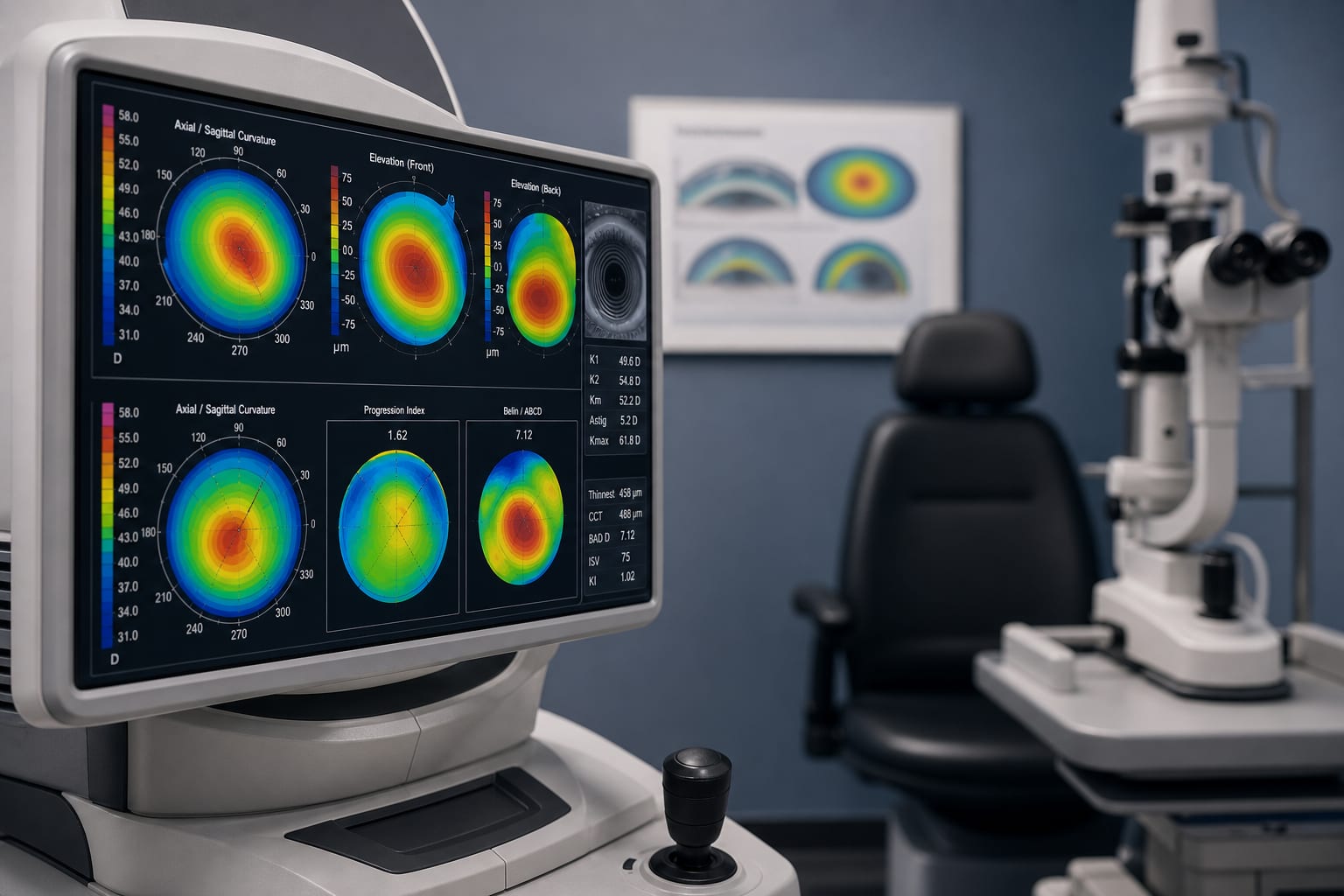
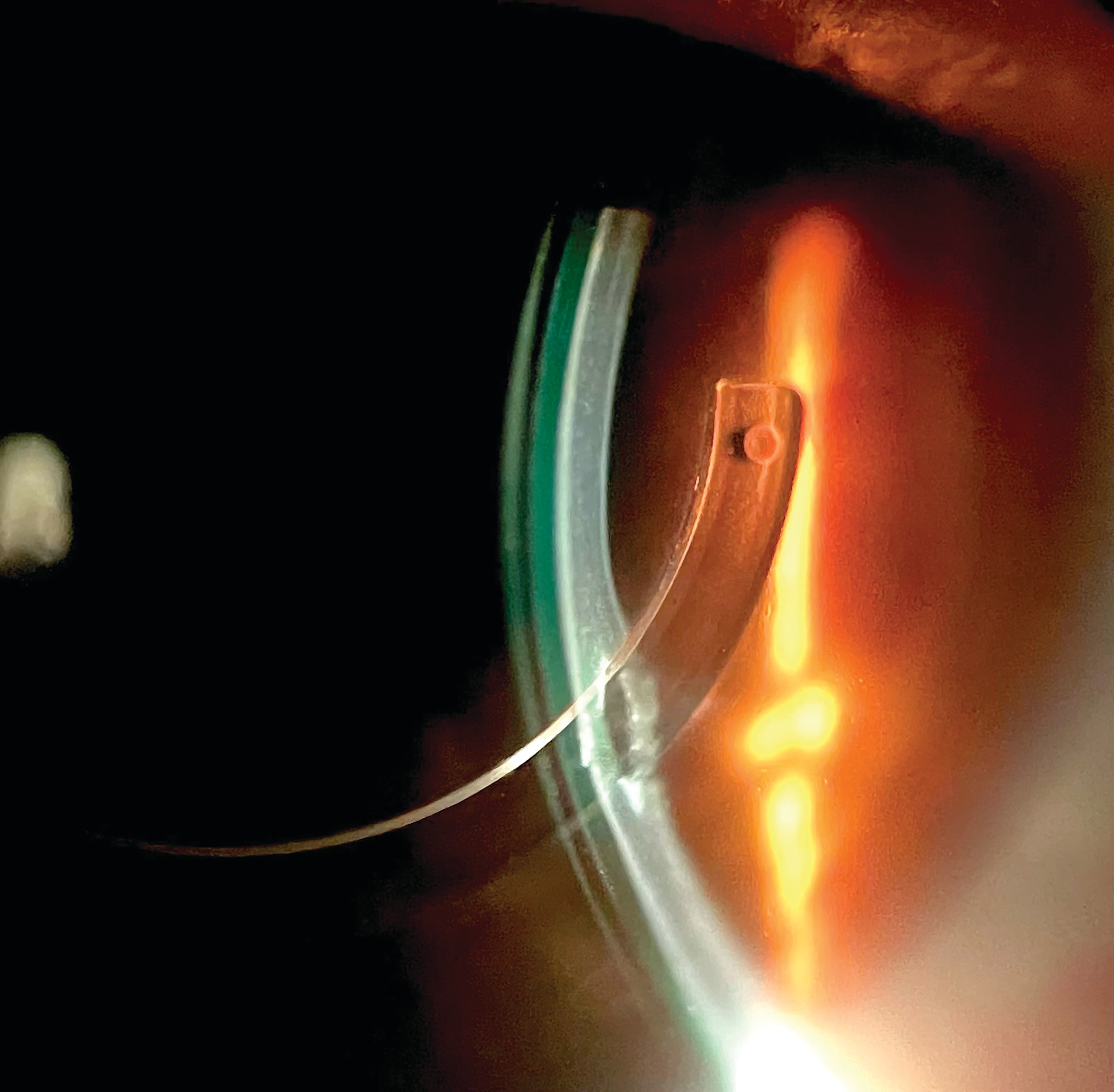
To analyze the clinical outcomes and patient satisfaction of keratoconus patients in an allied health professional-led keratoconus service from diagnosis to collagen cross-linking (CXL) and follow-up.
Key Findings:
Keratoconus is a common corneal ectatic disorder requiring careful monitoring and management, with a prevalence rate of X% in the population studied.
Allied health professionals can effectively manage keratoconus patients under consultant guidance, achieving outcomes comparable to traditional models.
Collagen cross-linking is the only treatment that can halt disease progression, with X% of patients showing stabilization post-treatment.
Interpretation:
The study highlights the potential for AHPs to manage keratoconus effectively, which may alleviate pressures on corneal subspecialist clinics, as evidenced by the reduction in wait times for patients.
Limitations:
The study is retrospective and may not capture all variables influencing patient outcomes, such as patient adherence to follow-up.
Data was collected from a single tertiary care facility, limiting generalizability to other settings.
Conclusion:
The AHP-led keratoconus service demonstrates a viable model for managing keratoconus, potentially improving patient access to care and suggesting a need for further research into its long-term efficacy.