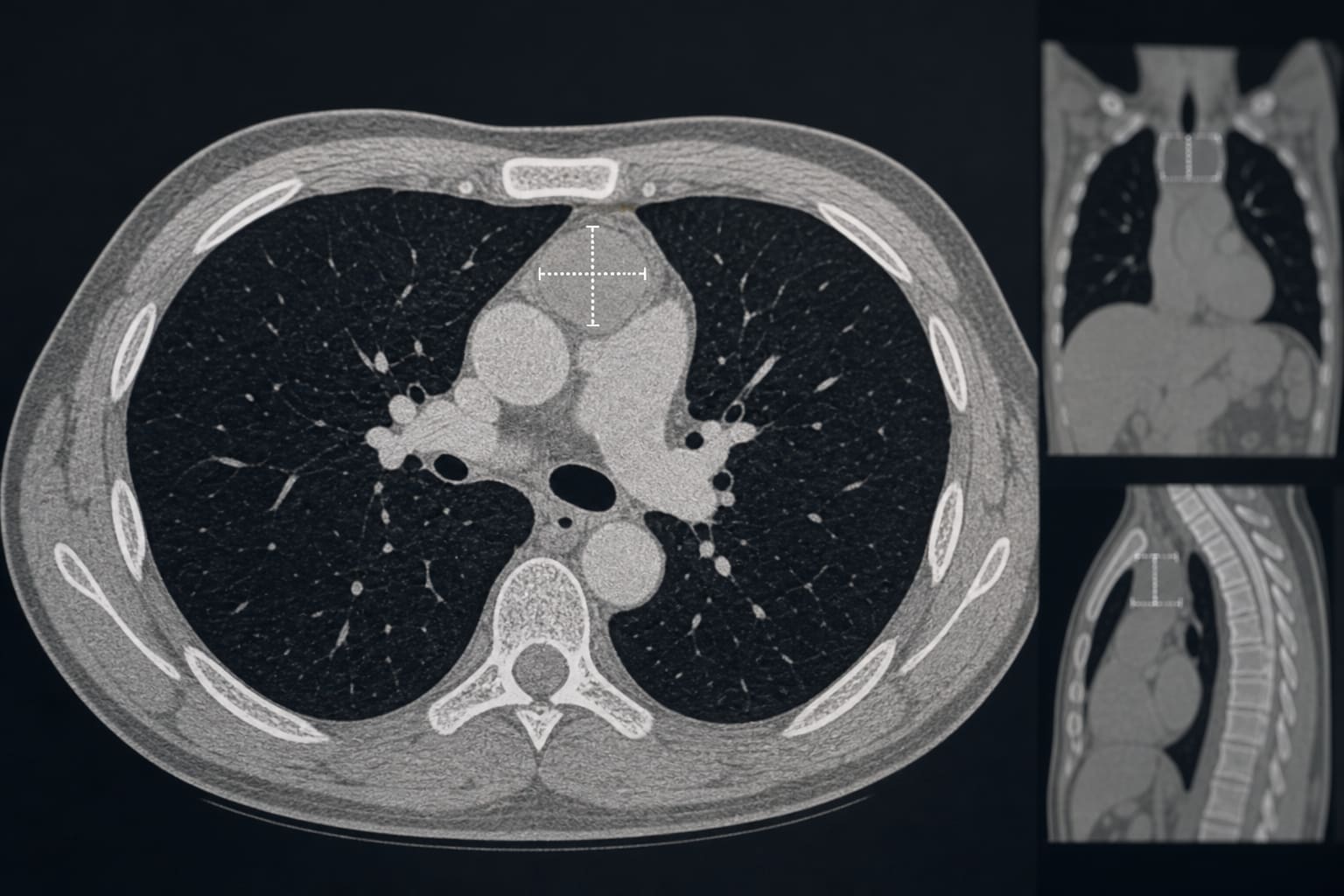
To assess the current practices of CT surveillance following thermal ablation for clinical T1 renal cell carcinoma (RCC) and emphasize the need for evidence-based practices in monitoring.
Key Findings:
90% of studies exceeded EAU guideline recommendations for CT imaging frequency.
Recurrence rates were lower in studies with more frequent imaging (7.7%) compared to guideline-adherent studies (12.3%), but this difference was not statistically significant (p = 0.19).
Mean 5-year overall survival was 82.9%, with cancer-specific survival exceeding 95%, regardless of surveillance intensity.
Intensive surveillance does not have evidence supporting improved outcomes, despite longstanding practice.
Interpretation:
The review highlights a lack of evidence for the benefits of intensive imaging in RCC surveillance, suggesting that current practices may be based more on tradition than scientific validation, with significant implications for clinical practice.
Limitations:
Retrospective data and moderate-to-high risk of bias limit causal conclusions.
No studies adhered to the 2024 EAU recommendations, making reduced surveillance a hypothesis rather than validated practice.
Confounding factors such as tumor characteristics and institutional expertise were not accounted for, underscoring the need for future research.
Conclusion:
Clinicians should reconsider aggressive surveillance protocols, engage in shared decision-making with patients, and prioritize evidence-based practices in monitoring post-ablation RCC, emphasizing the importance of informed decision-making.