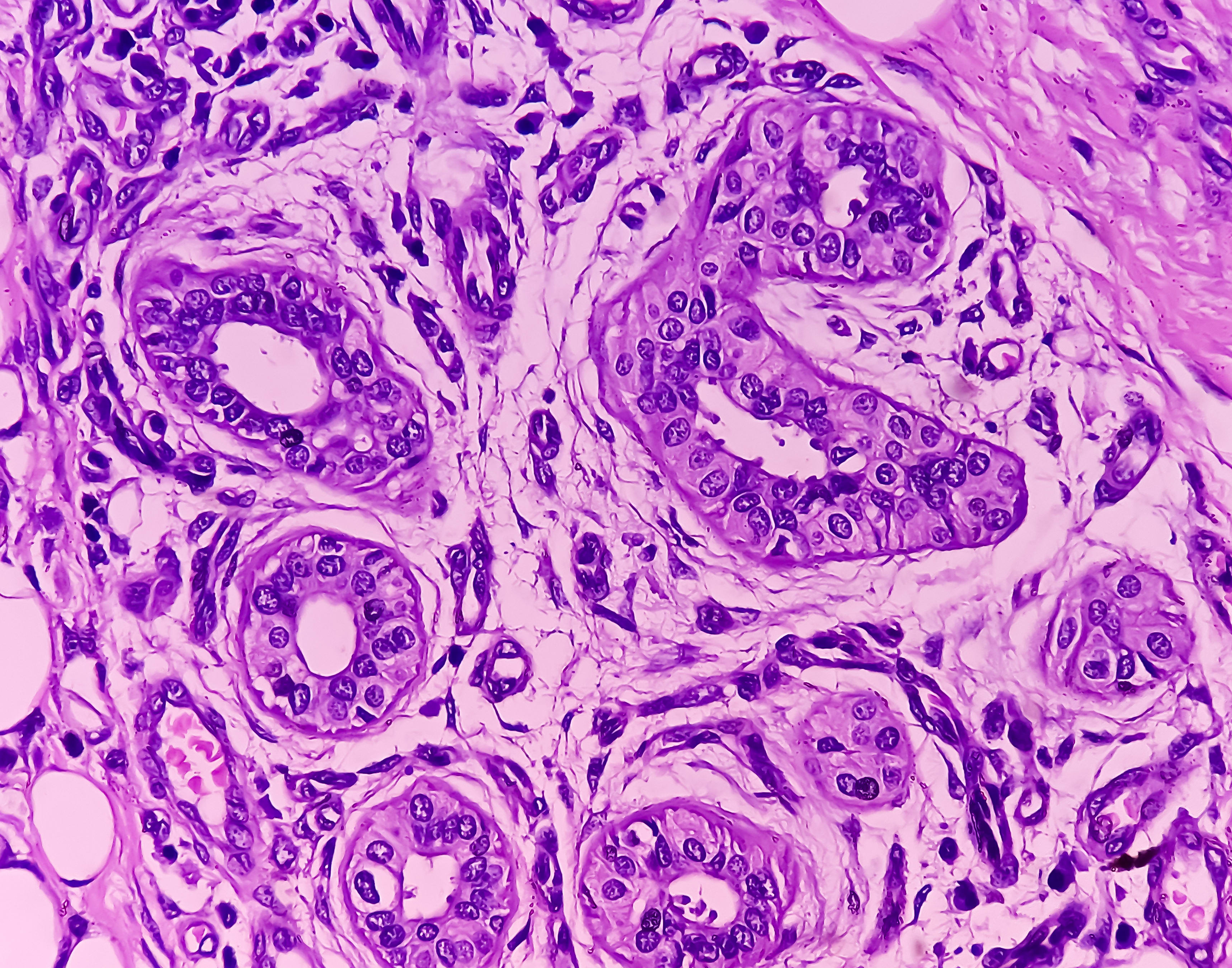
To report a case of pleomorphic adenoma in the nasal cavity that was initially misdiagnosed as squamous cell carcinoma, highlighting the importance of accurate diagnosis.
Key Findings:
Initial biopsy suggested a diagnosis of invasive squamous cell carcinoma, which was later corrected.
The resected lesion was a well-encapsulated pleomorphic adenoma.
No intraoperative complications were reported.
Interpretation:
Pleomorphic adenoma in the nasal cavity can mimic malignant tumors, leading to diagnostic confusion, which underscores the need for careful evaluation.
Limitations:
The rarity of pleomorphic adenoma in the nasal cavity may contribute to misdiagnosis.
Long-term follow-up is necessary to monitor for recurrence and potential malignant transformation, especially in atypical presentations.
Conclusion:
Complete surgical removal with clear margins is essential for definitive diagnosis and management of nasal pleomorphic adenomas, with ongoing monitoring advised.
National survey findings suggest many US adults report making health decisions based on social media despite widespread concerns about the accuracy of health information shared to the platforms.