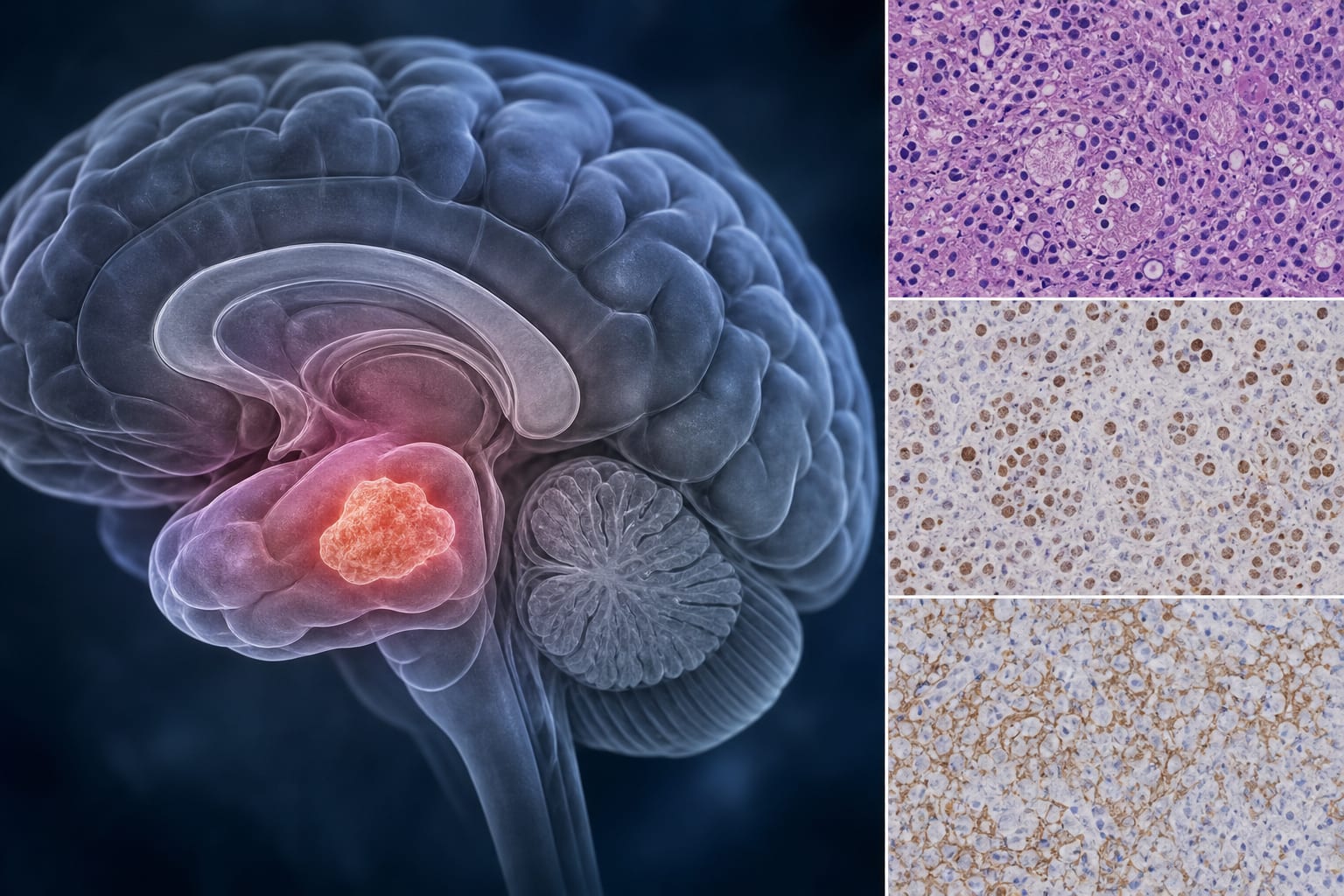
To characterize long-term tumor control after surgical resection of DNET and identify clinical and anatomical factors associated with radiological progression, emphasizing the importance of these predictive factors.
Key Findings:
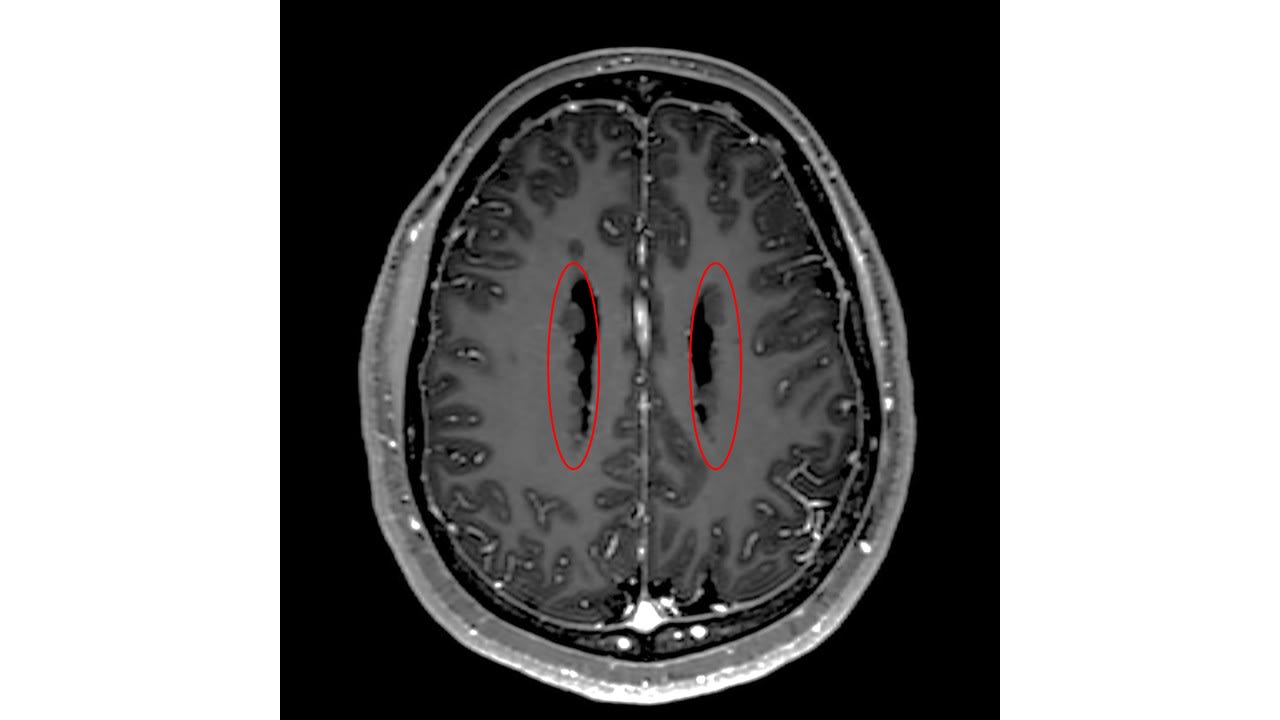
Satellite lesions (SLs) were associated with incomplete resection and higher recurrence rates, indicating a need for careful preoperative assessment.
Gross total resection (GTR) was linked to no progression, while non-GTR showed significant progression, highlighting the importance of surgical strategy.
Central lobe involvement and presence of SLs were significant predictors of progression-free survival, suggesting areas for targeted intervention.
Interpretation:
The presence of satellite lesions and central lobe involvement are critical factors influencing long-term outcomes in DNET patients post-surgery, which should be considered in treatment planning.
Limitations:
The study's retrospective design may introduce selection bias, and potential confounding factors were not fully addressed.
The sample size of 84 patients may limit the generalizability of the findings, suggesting the need for larger studies.
Conclusion:
Achieving GTR is crucial for preventing tumor progression in DNET patients, particularly in those with satellite lesions and central lobe involvement, and underscores the need for further research in this area.
Epilepsy remains a life-altering condition, particularly due to the unpredictable nature of seizures and their cumulative impact on cognition, independence and quality of life.
Novo Nordisk’s Parkinson’s cell therapy finds a new home at Cellular Intelligence, while base editing, prime editing, and large-insertion genome writing push forward