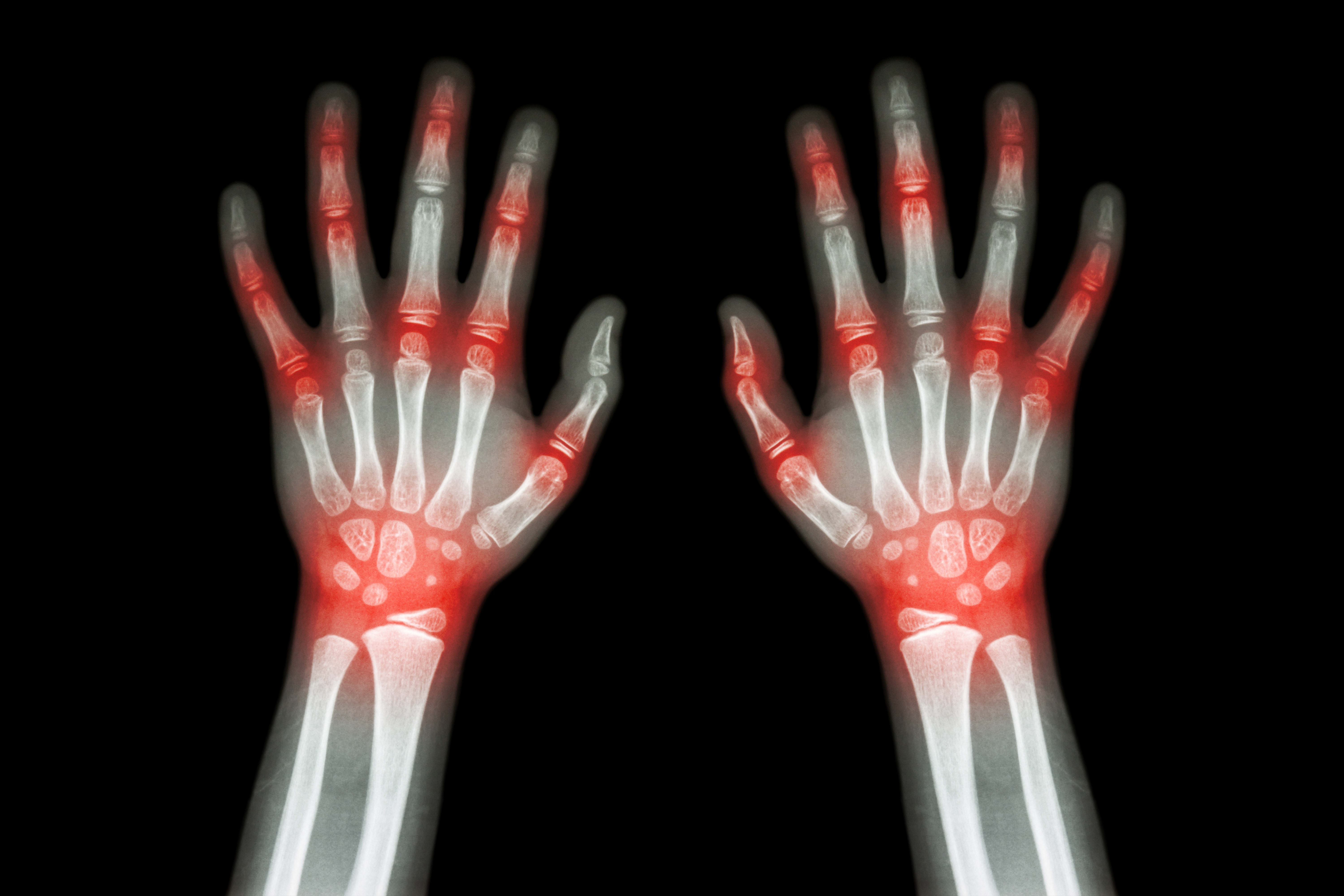
To develop an automated scoring system for radiographic damage in rheumatoid arthritis using deep learning techniques.
Approach:
Study Design: The study included adult patients with rheumatoid arthritis treated at a medical center from 2000 to 2018, using their clinical data and radiographs for model training and validation.
Data Handling: Radiographs were extracted, pseudonymized, and inadequate images were discarded. The dataset was split into training, validation, and test sets.
Model Development: A deep learning model was developed to predict Sharp/van der Heijde scores based on radiographs, with performance evaluated on an independent test set.
Key Findings:
The automated scoring system aims to address the limitations of manual scoring, including time demands and inter-observer variability.
Deep learning techniques have shown promise in improving the accuracy and reliability of radiographic assessments in rheumatoid arthritis.
Interpretation:
Limitations:
The model's implementation is not yet available for direct clinical use.
The study may be limited by the quality and completeness of the radiographic data used.
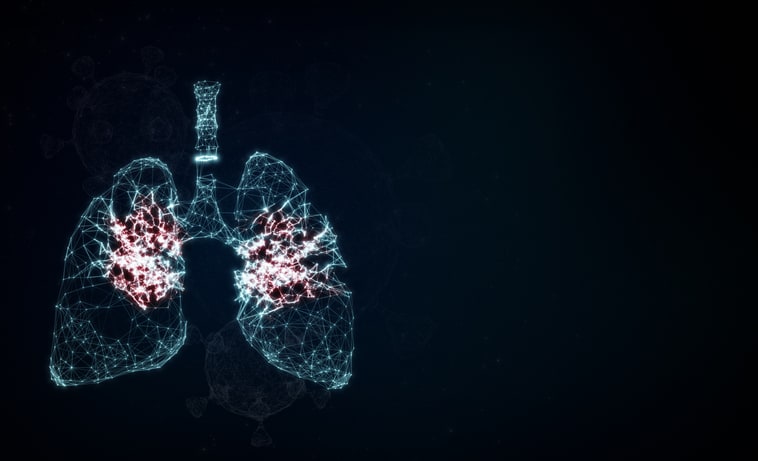
Patients with chronic lung disease had numerically lower remission rates and substantially more serious adverse events in a 5-year Japanese registry study of late-onset rheumatoid arthritis.
Nearly 40% of registry patients would have been excluded from phase 3 randomized controlled trials, with exclusion criteria distributed unevenly across drug classes.
Ten-year observational data showed lower disease activity and functional disability coinciding with broader use of biologic and targeted synthetic therapies.