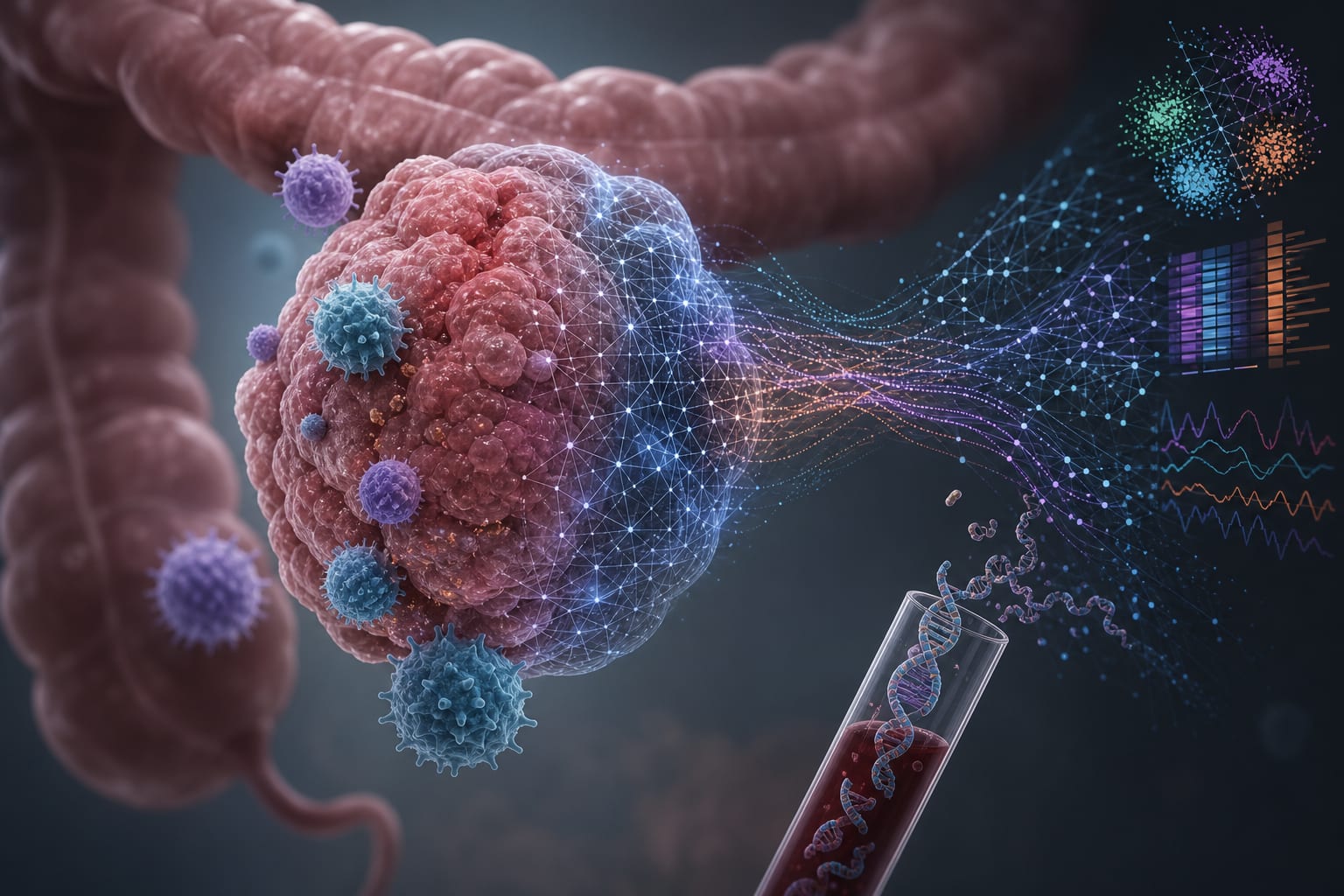
To propose that artificial intelligence (AI) can enhance colorectal cancer (CRC) immunotherapy by serving as a mechanistic microscope and a digital twin, specifically addressing the limitations of current biomarkers, such as their inability to capture dynamic tumor-immune interactions and the lack of personalized therapeutic frameworks.
Key Findings:
AI can predict key molecular phenotypes in CRC from histology, matching molecular assays in accuracy, which may improve patient stratification.
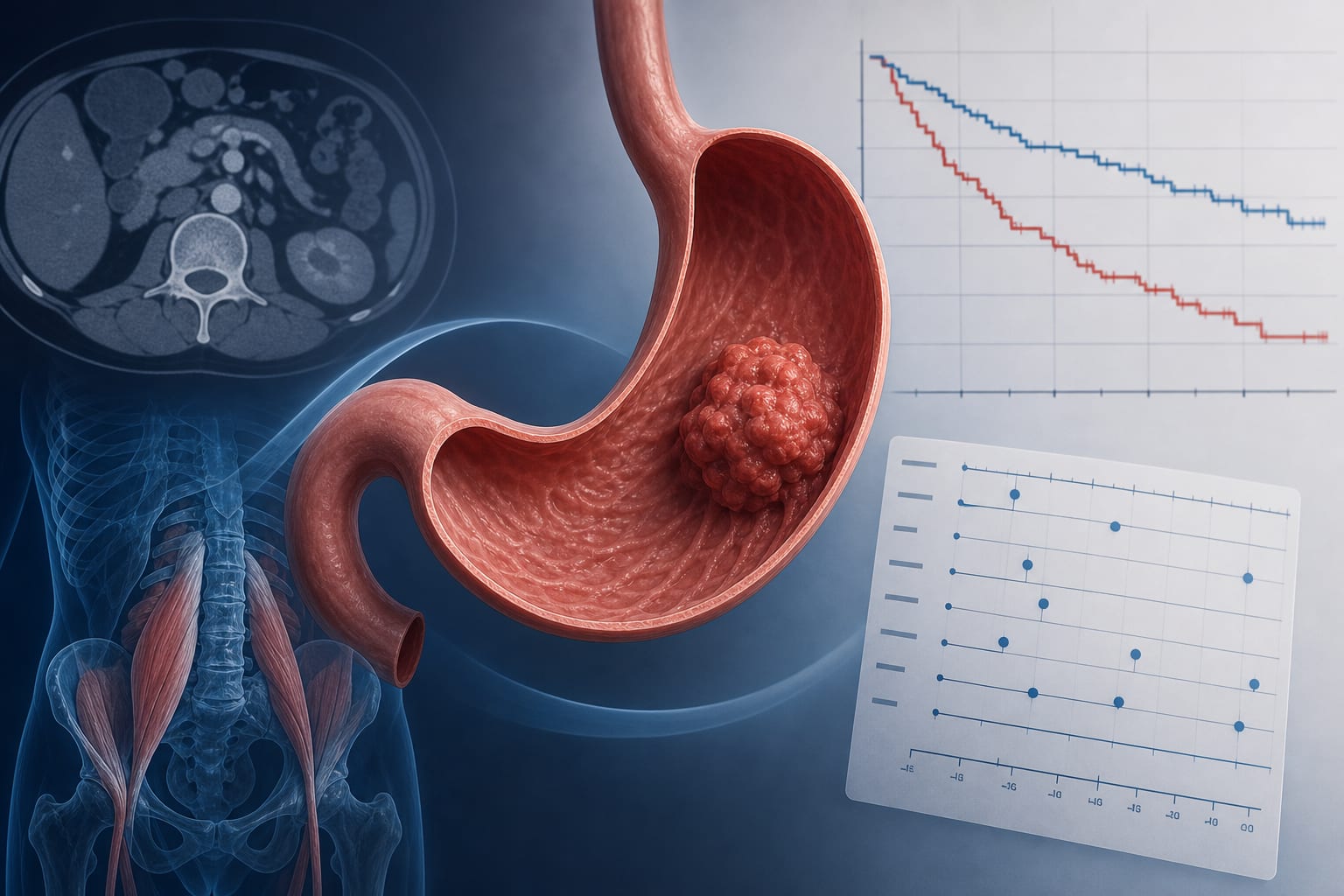
Radiomics and deep learning models can distinguish immune-hot from immune-cold CRCs and predict therapeutic responses, enhancing treatment personalization.
AI-enhanced analysis of ctDNA improves sensitivity and specificity for minimal residual disease detection, which is crucial for monitoring treatment efficacy.
Interpretation:
AI has the potential to shift CRC immunotherapy from static predictions to dynamic, individualized treatment approaches, ultimately improving patient outcomes.
Limitations:
Challenges include generalizability, interpretability, and regulatory validation of AI applications in clinical settings, which can hinder widespread adoption.
Conclusion:
Integrating multimodal data with mechanistic modeling through AI may advance precision oncology in CRC immunotherapy, leading to more effective and personalized treatment strategies.