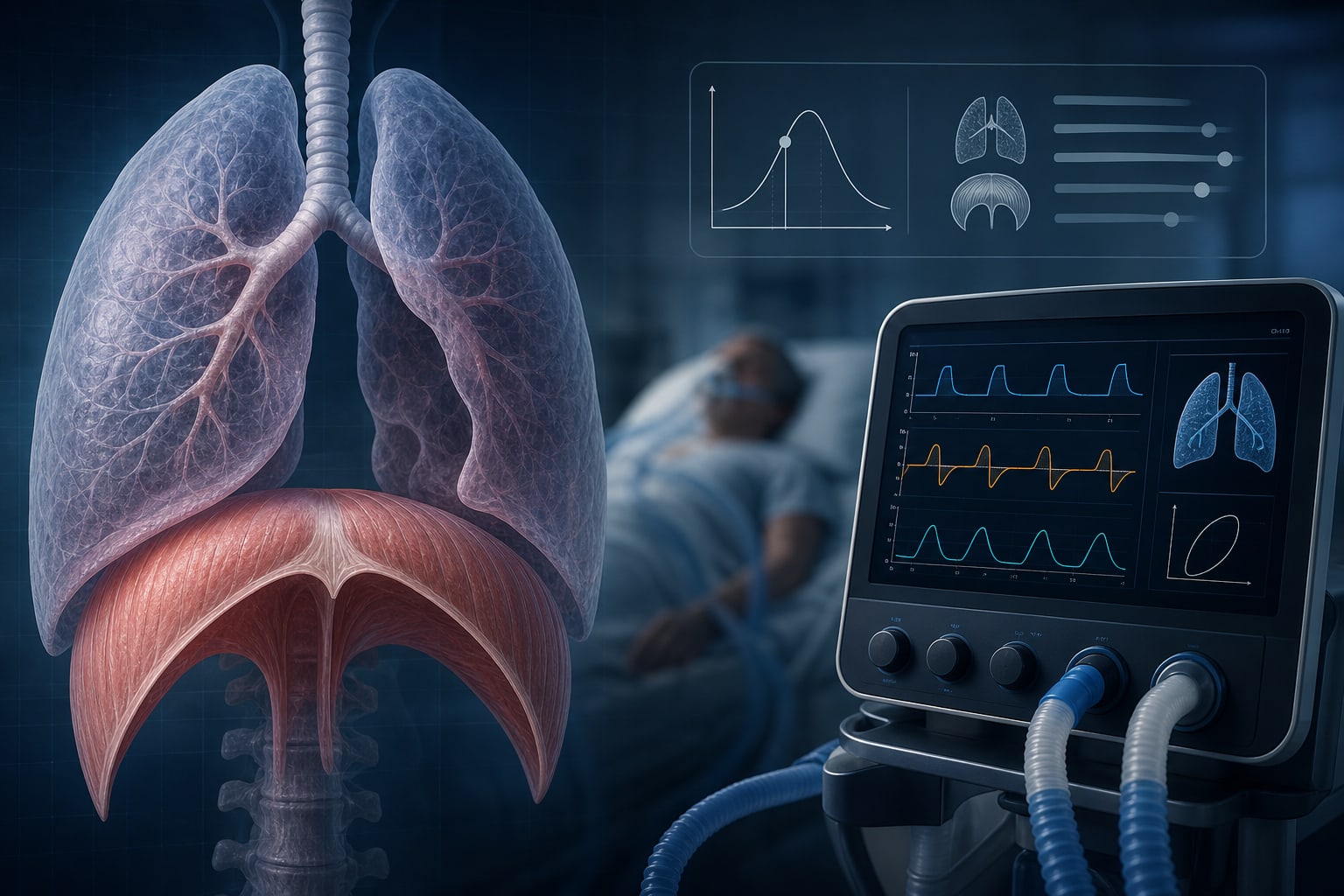
To assess the therapeutic potential of Fraxinellone (FRA) in attenuating acute pulmonary contusion (APC) progression, a life-threatening condition, through the inhibition of HIF-1α.
Approach:
In vivo model: An APC model was generated in C57BL/6 mice via weight-drop lung injury to study the effects of FRA.
In vitro model: Thrombin-injured MLE-12 cells were used to evaluate FRA's efficacy in a controlled environment.
Key Findings:
FRA reduced APC severity by decreasing pulmonary edema and pro-inflammatory cytokine levels, including interleukin-1β (IL-1β), interleukin-6 (IL-6), and interleukin-18 (IL-18).
FRA decreased pyroptosis markers (NLRP3, GSDMD) in both in vitro and in vivo models.
Molecular docking revealed FRA binds to HIF-1α at Arg258.
HIF-1α activation negated the protective effects of FRA.
HIF-1α knockdown and mutation replicated the anti-pyroptotic effects of FRA.
Interpretation:
FRA mitigates APC progression by targeting HIF-1α to suppress NLRP3/GSDMD-mediated pyroptosis and inflammation.
Limitations:
The study primarily focuses on the effects of FRA without extensive clinical trials to support its use in humans.
The long-term effects and safety of FRA in humans are not addressed.
Conclusion:
FRA may offer a novel approach for addressing trauma-induced lung injury through HIF-1α inhibition.