Viral-driven cancers may require unique therapeutic strategies.
Prostate cancer has distinct immune evasion mechanisms affecting ICI response.
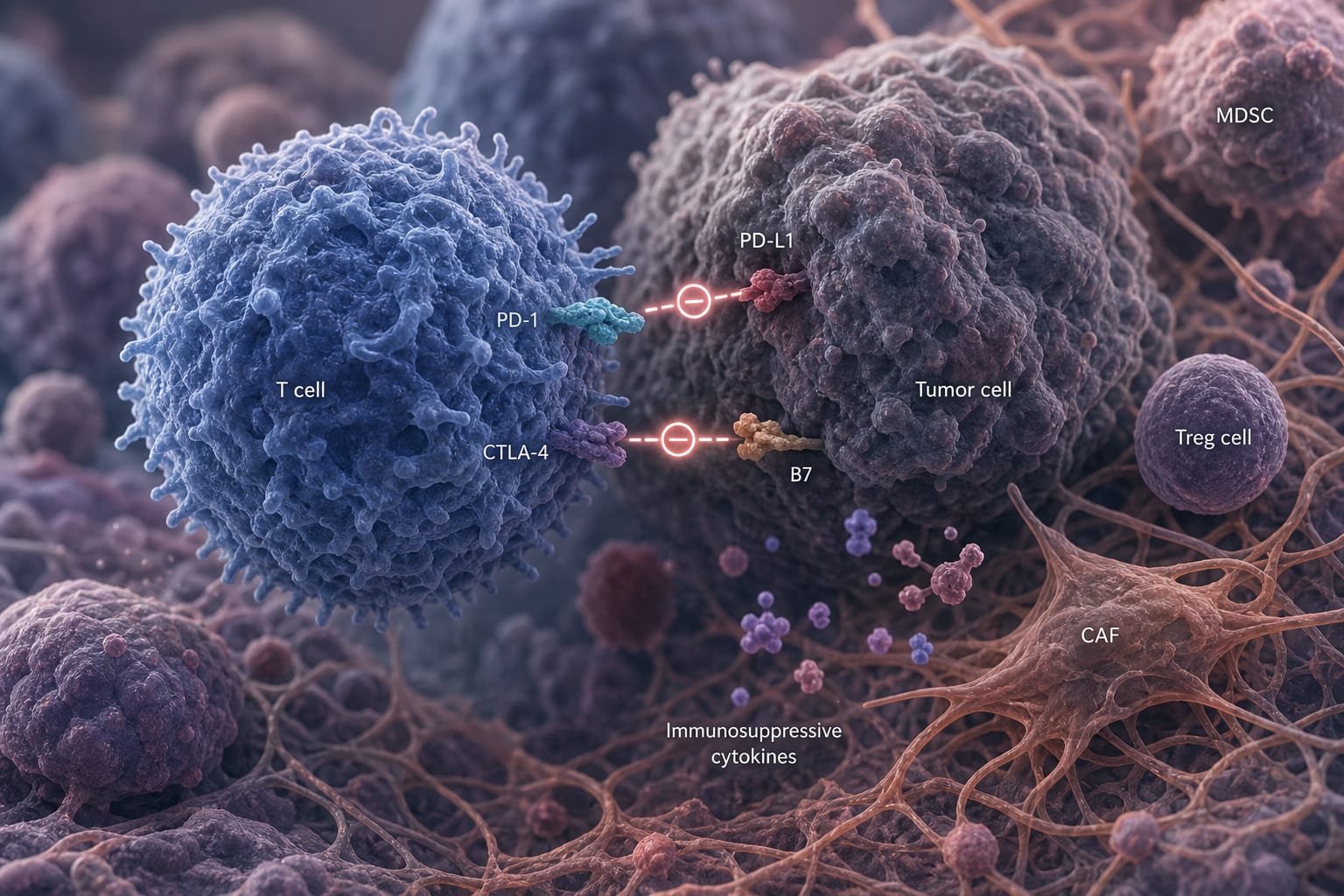
TGF-β-induced MyoCAF contribute to immune exclusion and resistance.
Defects in antigen presentation can lead to immunotherapy resistance.
T-cell exhaustion is a critical barrier to effective ICI therapy.
Interpretation:
Understanding the mechanisms of resistance to ICIs is crucial for developing effective strategies to enhance patient outcomes in cancer therapy.
Limitations:
The variability in patient responses to ICIs complicates the identification of universal biomarkers.
Current strategies may not address all tumor types or patient populations effectively.
Conclusion:
Innovative approaches targeting the tumor microenvironment, immune cell dynamics, and specific tumor characteristics are essential for overcoming resistance to ICIs in cancer treatment.