Impact of Occupational Therapy on Upper Limb Function and Rehabilitation Results Following Stroke: A Systematic Review and Meta-Analysis - Summary - MDSpire
Advertisement
Impact of Occupational Therapy on Upper Limb Function and Rehabilitation Results Following Stroke: A Systematic Review and Meta-Analysis
To evaluate the effects of occupational therapy (OT) on upper limb function, daily living ability, and depressive symptoms in stroke patients through a systematic review and meta-analysis.
Key Findings:
OT significantly improved upper limb function (SMD = 1.42, 95% CI 0.62–2.21, p = 0.0005).
OT enhanced activities of daily living (SMD = 1.17, 95% CI 0.80–1.54, p < 0.00001).
OT reduced depressive symptoms (SMD = -2.08, 95% CI -3.01 to -1.15, p < 0.00001).
Larger effects were noted in specific settings and with longer OT durations (>8 weeks).
Interpretation:
OT is effective in improving physical and psychological outcomes in stroke patients, suggesting its essential role in rehabilitation and the need for its integration into clinical practice.
Limitations:
The review included only English and Chinese databases, potentially limiting the comprehensiveness of the findings and introducing language bias.
Moderate certainty of evidence for all outcomes as assessed by GRADE.
Conclusion:
OT significantly enhances upper limb function, daily living ability, and reduces depressive symptoms in stroke patients, supporting its integration into rehabilitation programs and clinical guidelines.
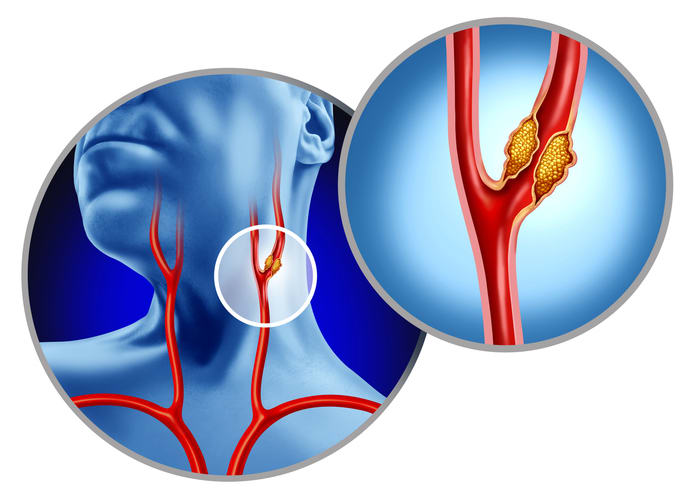
In this procedural case review, vascular surgeon Dr. Samuel Steerman performs a right carotid endarterectomy on a woman in her 60s who experienced a stroke related to carotid artery plaque.