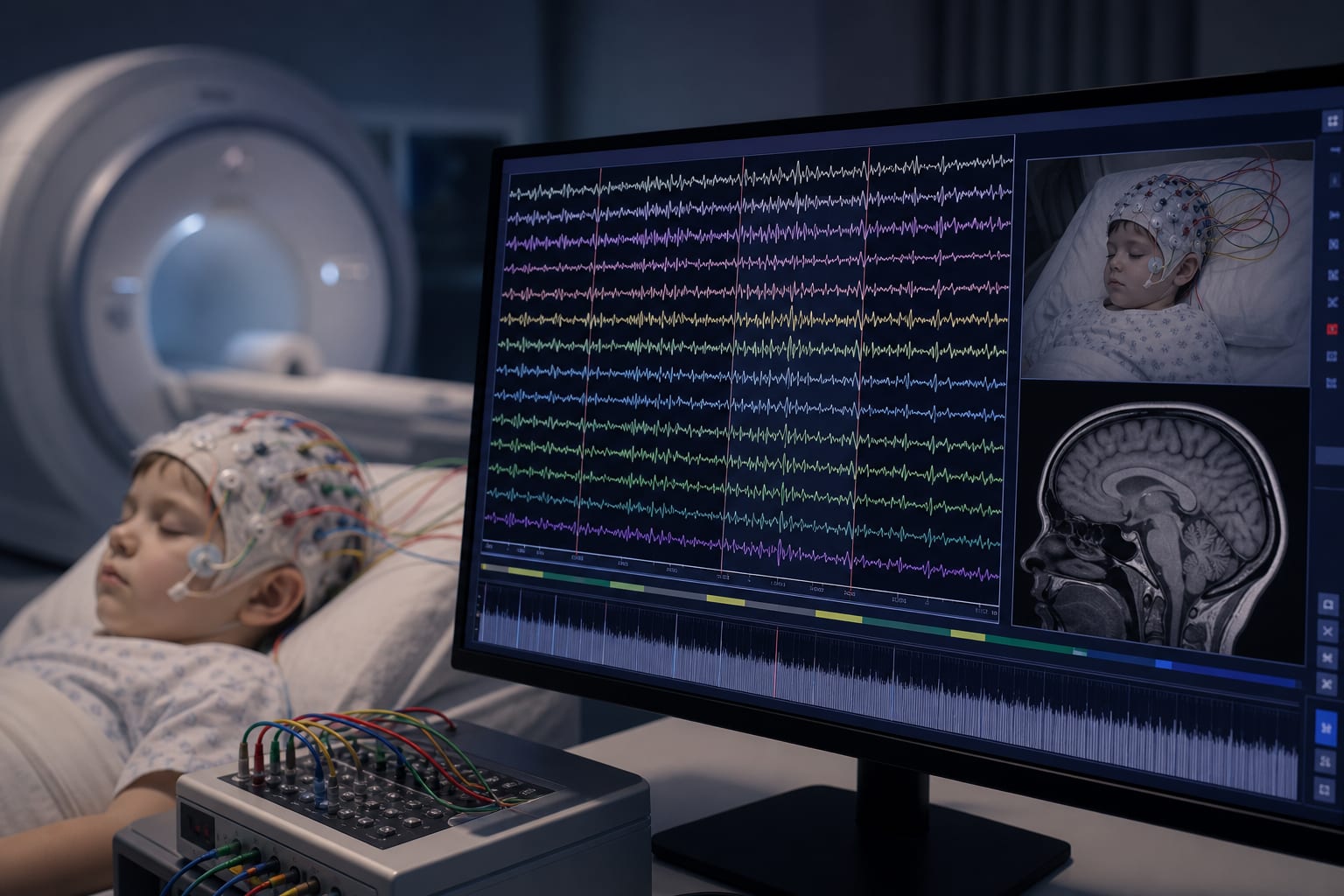
To describe a case of visual snow syndrome, highlighting its diagnosis and treatment within the context of existing literature.
Key Findings:
Visual snow syndrome characterized by continuous visual static and associated symptoms.
Normal structural testing despite persistent symptoms indicates a functional disability, challenging traditional diagnostic approaches.
Escitalopram showed subjective improvement, contrasting with typical ineffectiveness of SSRIs in visual snow syndrome, suggesting a need for further investigation.
Interpretation:
Visual snow syndrome may involve central mechanisms like cortical hyperexcitability and thalamocortical dysrhythmia, leading to impaired sensory filtering, which warrants further research.
Limitations:
Lack of MRI imaging limits understanding of potential structural abnormalities.
Single case study limits generalizability and may introduce biases.
Conclusion:
Visual snow syndrome represents a clinical continuum where normal structural findings can mask significant functional impairment, emphasizing the need for awareness among practitioners.