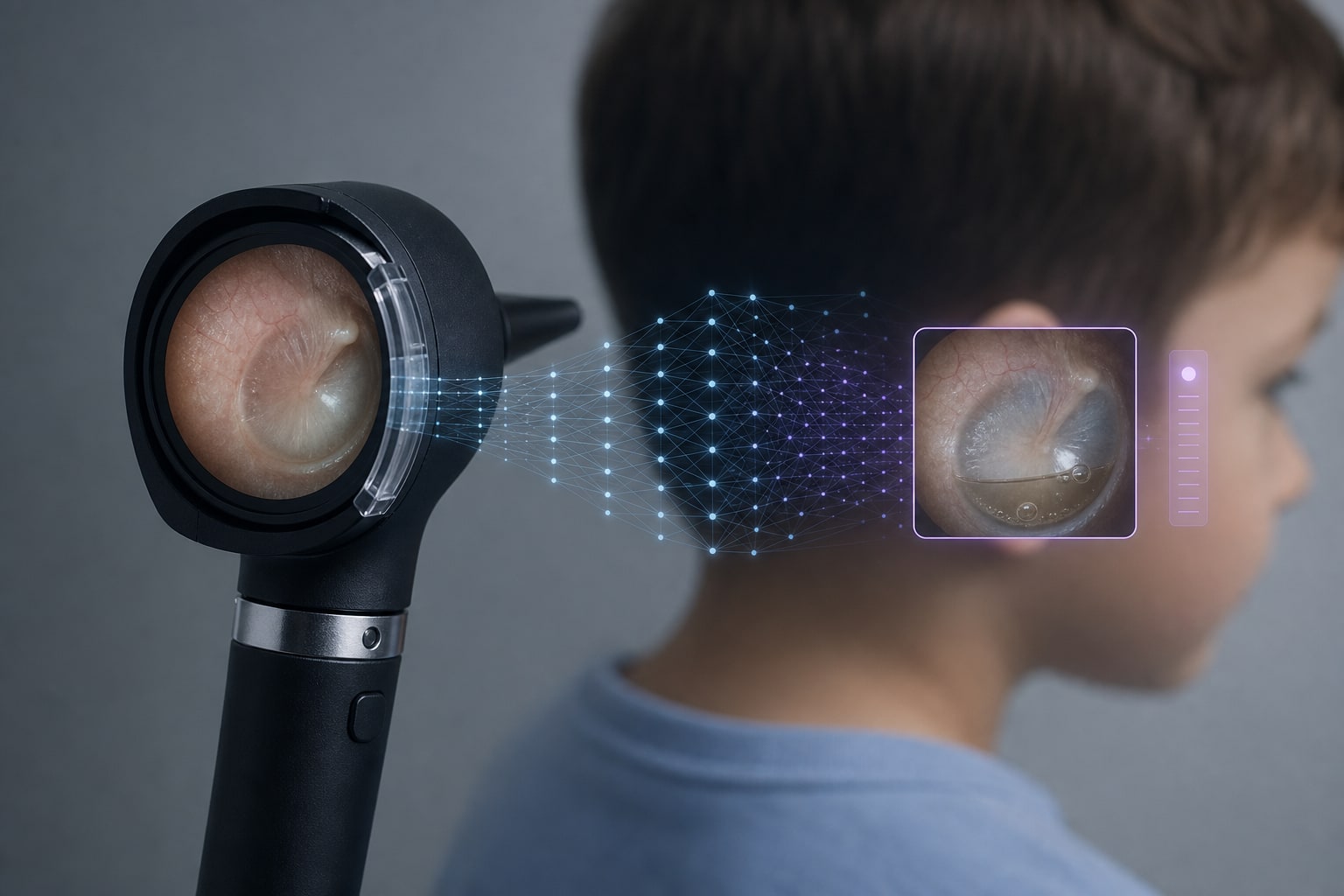
To summarize the role of pattern recognition receptors (PRRs) in the pathophysiology of otitis media (OM) and their implications for current and future therapeutic strategies.
Approach:
Key Findings:
PRRs play a crucial role in detecting microbial pathogens and initiating host defenses in OM.
TLR2 and TLR4 are particularly important in mediating bacterial clearance but show dysregulation in chronic forms of OM.
Different OM subtypes exhibit distinct PRR signaling patterns, influencing disease progression and chronicity.
NOD1, NOD2, and NLRP3 also contribute to pathogen sensing and inflammasome activation in OM.
Interpretation:
The dysregulation of PRR signaling contributes to the chronicity of OM, with specific pathways leading to either effective pathogen clearance or persistent inflammation and tissue damage, particularly through TLR2 and TLR4 signaling.
Limitations:
The mechanistic roles of C-type lectin receptors (CLRs) in OM remain insufficiently explored.
Variations in PRR responses based on age or genotype require further investigation to inform precision immunotherapies.
More clinical studies are needed to validate the findings and their implications for treatment.
Conclusion:
Understanding the intricate signaling landscape of PRRs in OM can inform future therapeutic strategies aimed at improving disease management.
A VHA study across 11 vendors finds AI-generated primary care notes score lower than clinician-written notes, with the largest deficits in thoroughness, organization, and usefulness