To report a rare case of esophageal squamous cell carcinoma (ESCC) metastasizing to the pancreas and stomach, highlighting its significance in the context of ESCC management.
Key Findings:
The patient developed isolated pancreatic and gastric metastases after a prolonged disease-free interval of 37 months.
Histopathological analysis confirmed the metastases originated from the primary ESCC.
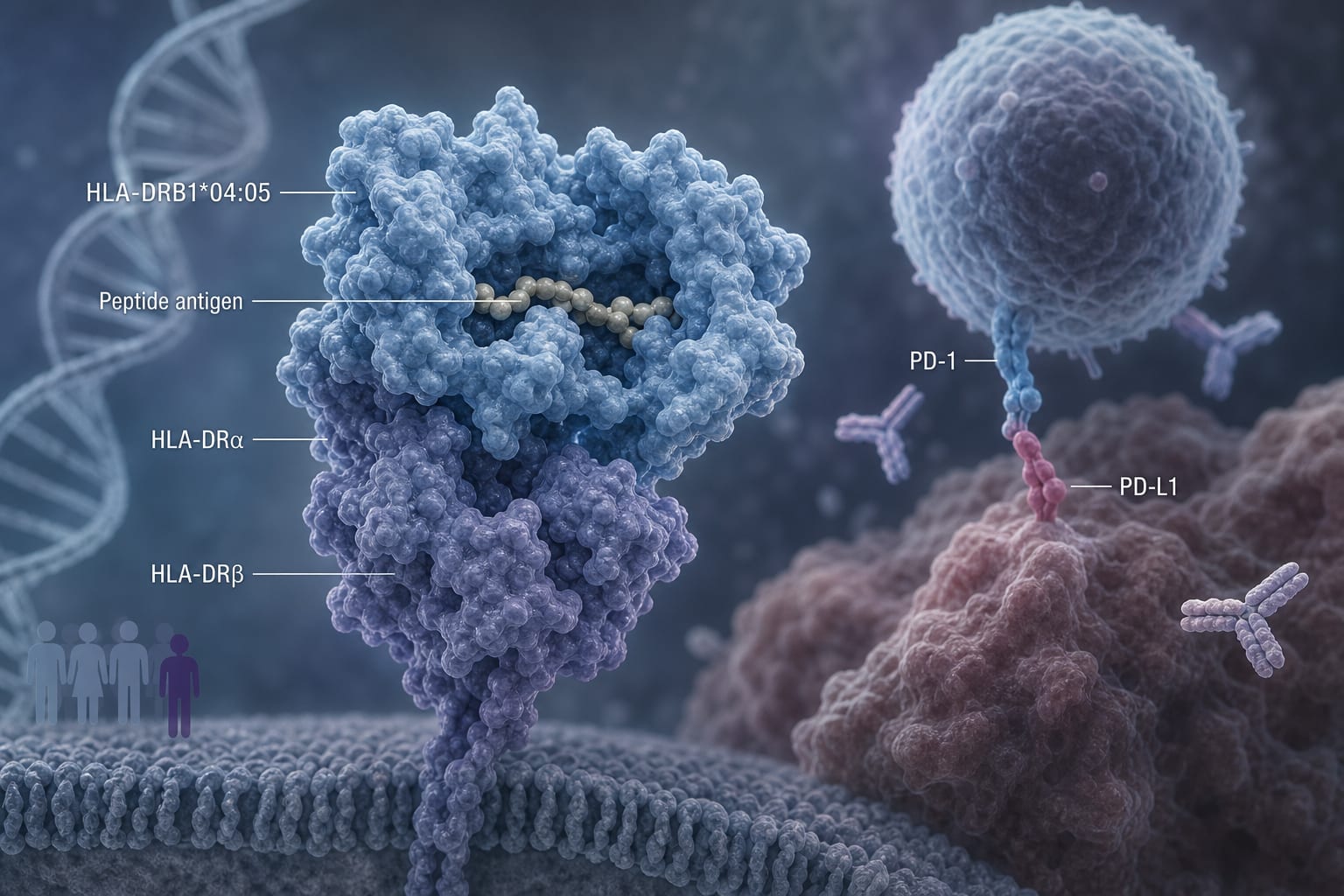
The patient received a systemic regimen of immune checkpoint inhibitors and platinum-based chemotherapy post-surgery, emphasizing the need for tailored treatment strategies.
Interpretation:
This case emphasizes the need to consider rare metastases in patients with a history of ESCC, even after a long disease-free period, and suggests a reevaluation of diagnostic protocols.
Limitations:
The rarity of pancreatic metastases from ESCC limits generalizability and may introduce biases.
The case is based on a single patient experience, which may not represent broader patient populations.
Conclusion:
Aggressive surgical resection combined with postoperative immunochemotherapy may be a viable treatment strategy for atypical metastatic presentations, underscoring the importance of a multidisciplinary approach.