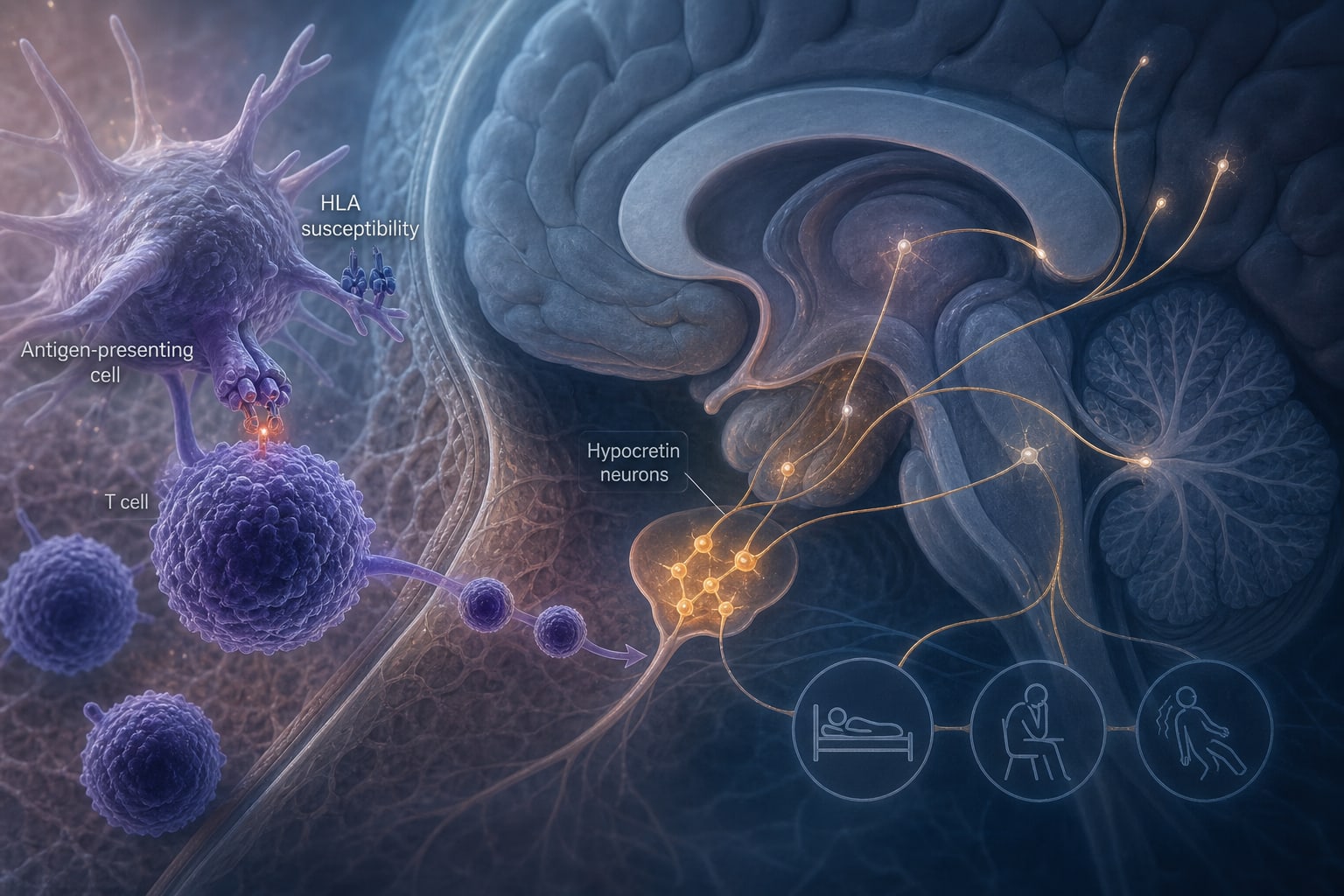
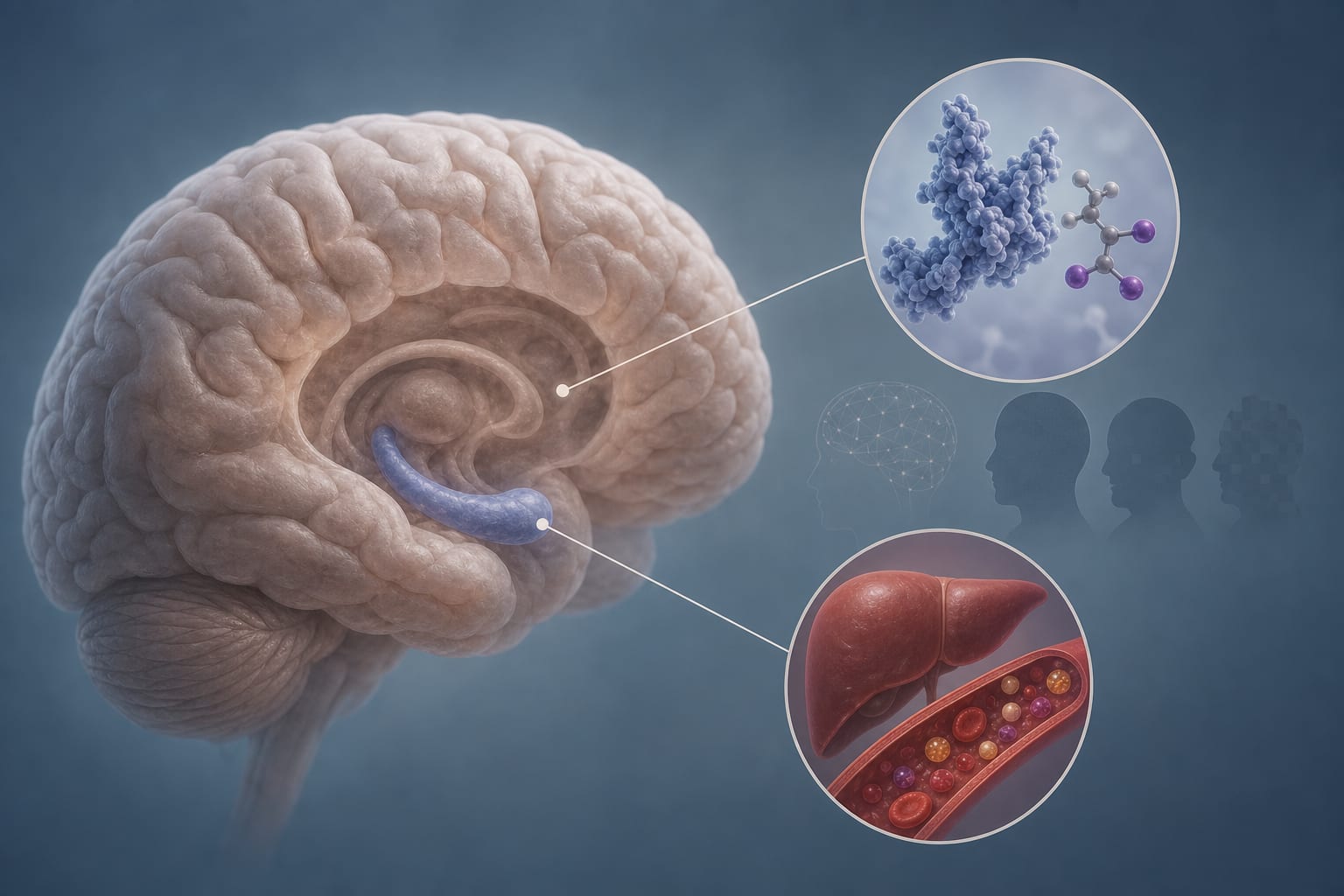
To outline the contributions of neuroimmune dysregulation, hypocretin neuron depletion, and alterations in neural circuitry to the development of narcolepsy.
Approach:
Key Findings:
Genetic predisposition and environmental factors facilitate immune-mediated damage of hypocretin neurons.
Loss of hypocretin neurons disrupts sleep-wake circuitry, leading to excessive daytime sleepiness and cataplexy.
The HLA-DQB1*06:02 allele is strongly associated with narcolepsy type 1 (NT1) and indicates an autoimmune mechanism.
Interpretation:
The review presents a model integrating immune response, neural pathways, and brain network remodeling in narcolepsy's pathophysiology.
Limitations:
The review focuses primarily on narcolepsy type 1 and may not fully address type 2 narcolepsy.
Further population studies are needed to clarify genetic and environmental influences on narcolepsy prevalence.
Conclusion:
Understanding the interplay of immune response and neural circuitry may lead to potential diagnostic biomarkers and therapeutic targets for narcolepsy.