Anti-reflux mucosal ablation (ARMA) as a novel minimally invasive treatment for severe gastroesophageal reflux disease in a child: the first pediatric case report - Summary - MDSpire
Advertisement
Anti-reflux mucosal ablation (ARMA) as a novel minimally invasive treatment for severe gastroesophageal reflux disease in a child: the first pediatric case report
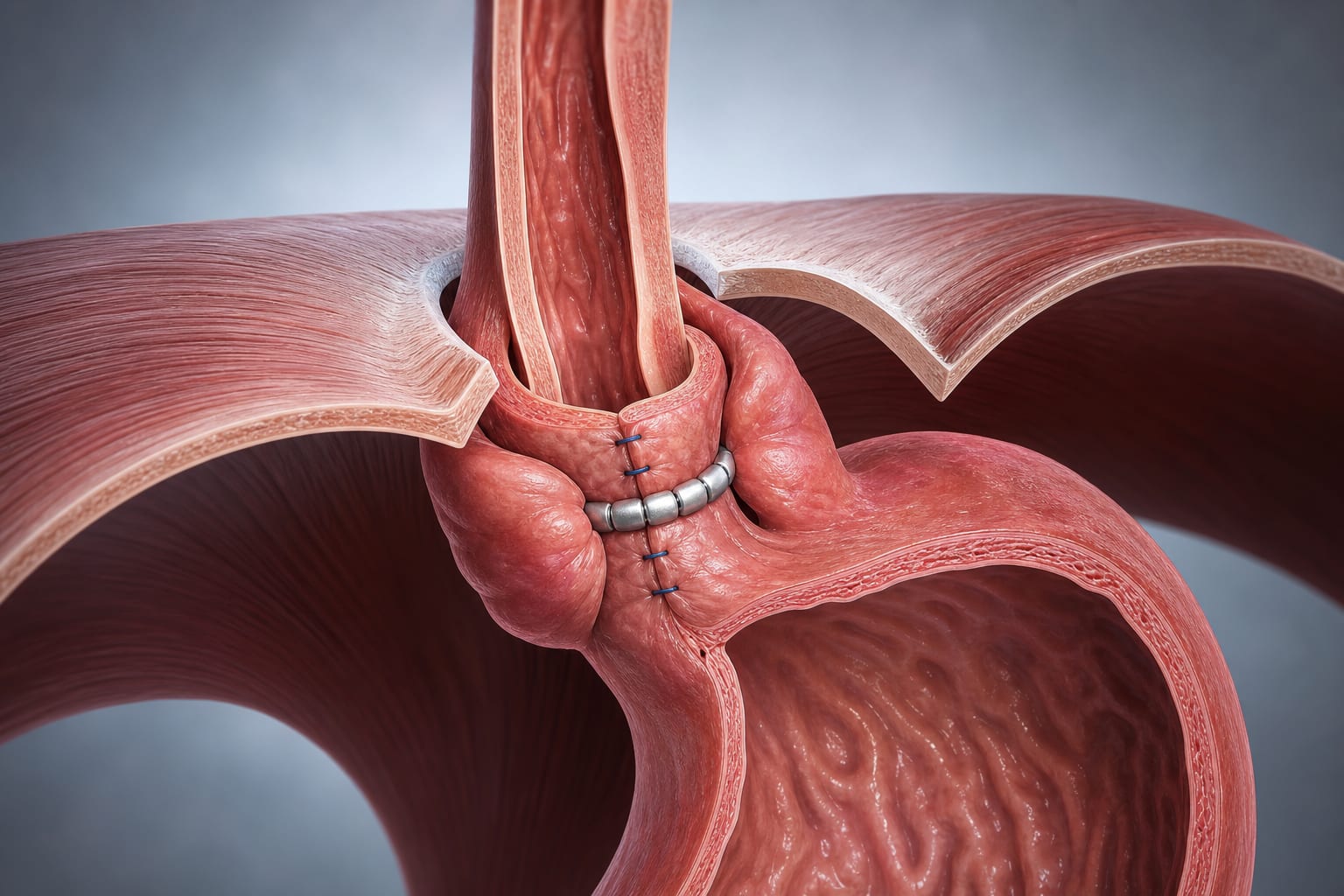
To evaluate the feasibility and early clinical outcomes of ARMA in a neurologically impaired pediatric patient with refractory GERD, specifically focusing on symptom improvement and safety.
Key Findings:
The ARMA procedure was technically successful with no intra-procedural complications.
Follow-up revealed improved reflux control, enhanced tolerance of gastrostomy feeding, and a significant reduction in GERD symptoms.
There was a reduced need for acid-suppressive therapy post-procedure.
Interpretation:
ARMA is a technically feasible, minimally invasive option for refractory GERD, with potential broader applicability to other pediatric patients, though risks must be considered in high-risk populations.
Limitations:
This report describes a single case, limiting generalizability.
The patient was a highly selected clinical scenario with significant comorbidities, which may not represent the broader pediatric population.
Conclusion:
ARMA may extend treatment options for neurologically impaired children with medication-resistant GERD.