Original Source(s)

Related Content
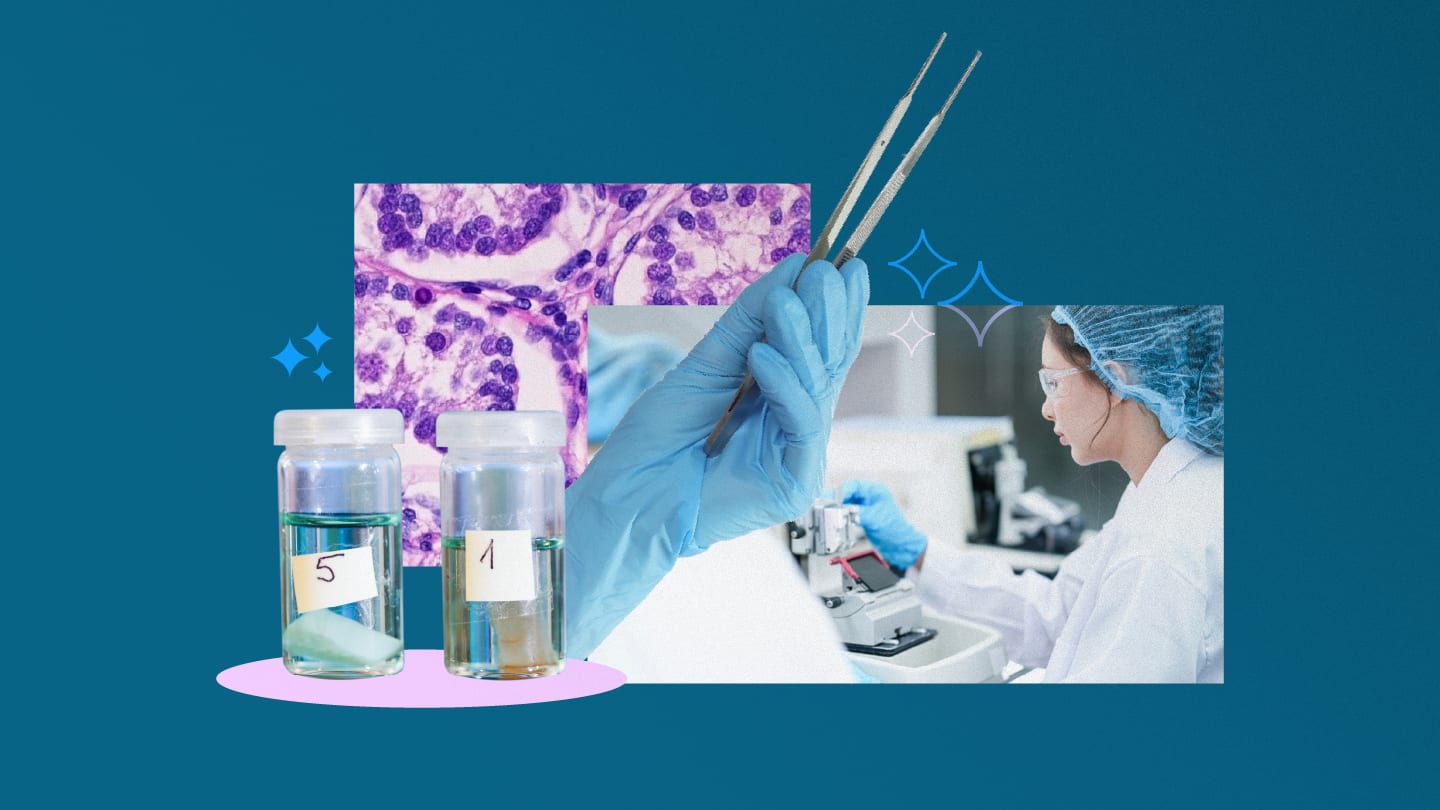
Virtual Staining and the Next Era of Pathology
How AI enables scalable biomarker analysis that preserves tissue samples, addressing some of the most persistent bottlenecks in clinical care and research
by Kenneth To
June 19, 2026
-
6 min
2026 ASCO Prostate Cancer Highlights
The Lank Center for Genitourinary Oncology at Dana-Farber Cancer Institute presents a succinct summary of all the prostate cancer clinical updates.
July 2, 2026
-
1 min

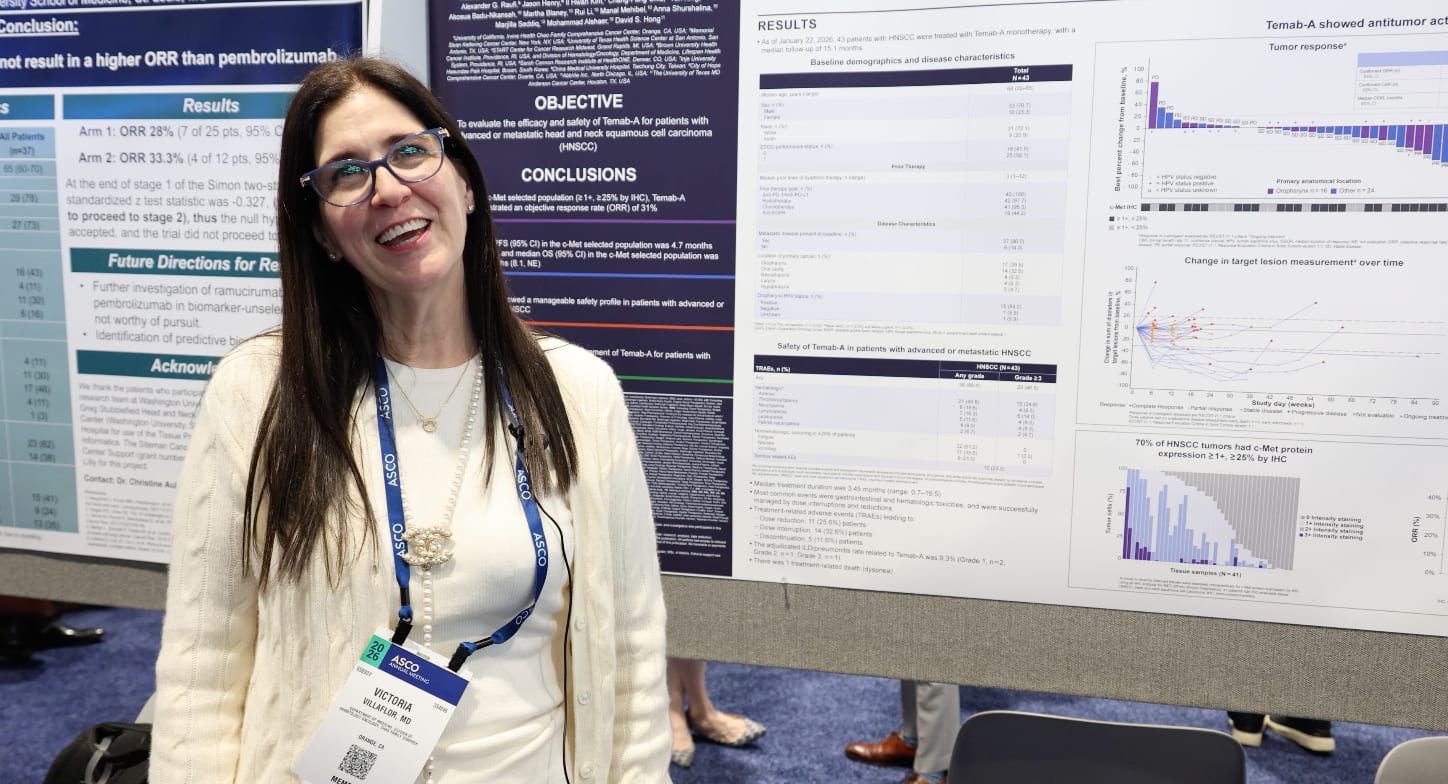
Promising early results for a new treatment in head and neck cancer
Victoria Villaflor, MD shared promising early results at ASCO 2026 for a new treatment approach in head and neck cancer.
June 24, 2026
-
1 min