Clinical application study of E3D-assisted design combined with personalized 3D printed guide system in the treatment of pelvic fractures - Summary - MDSpire
Advertisement
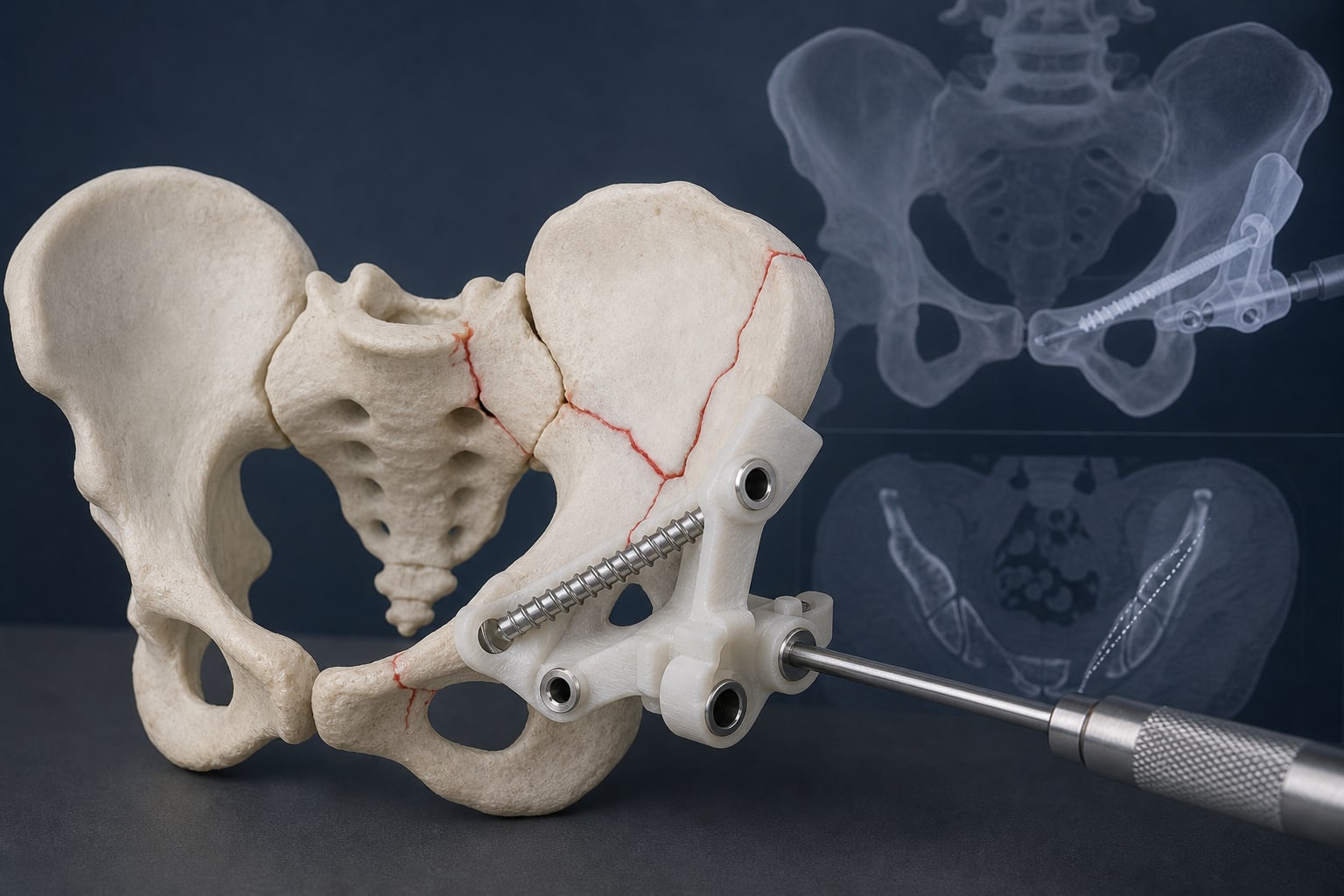
Clinical application study of E3D-assisted design combined with personalized 3D printed guide system in the treatment of pelvic fractures
To compare the clinical efficacy of E3D-assisted design with a personalized 3D-printed guiding system against traditional fluoroscopic percutaneous screw fixation for pelvic fractures.
Key Findings:
Shorter operation time in the experimental group (53.05 ± 19.04 min) compared to control (81.05 ± 24.68 min, p < 0.001).
Higher screw placement accuracy in the experimental group for various anatomical landmarks.
No significant difference in fracture reduction quality between the two groups.
Interpretation:
E3D-assisted design with personalized 3D-printed guides improves surgical efficiency and accuracy in pelvic fracture management, enhancing safety and reducing the learning curve for clinicians.
Limitations:
Study limited to a specific timeframe and patient population.
Retrospective design may introduce bias.
Conclusion:
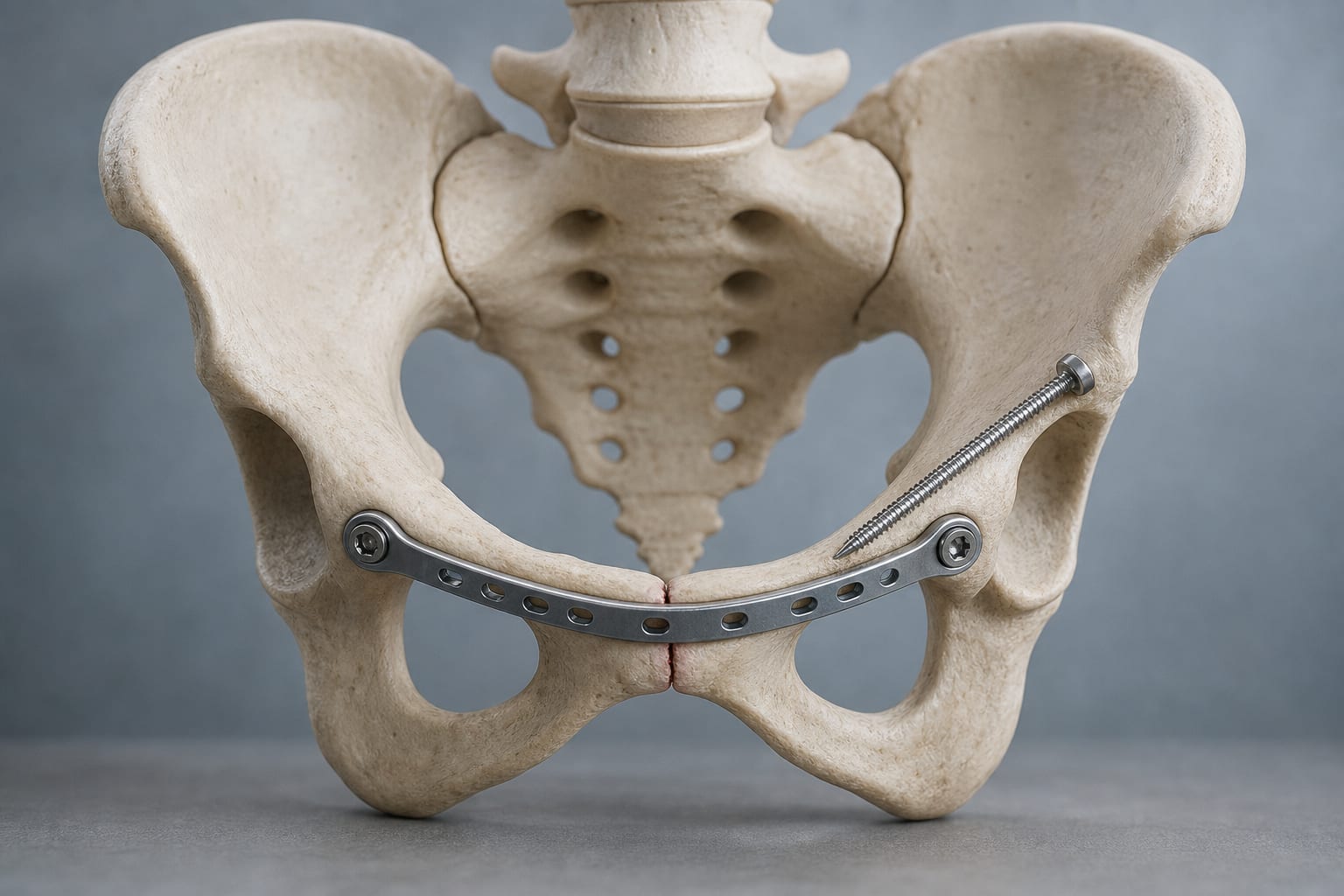
E3D-assisted design combined with personalized 3D-printed guides offers significant advantages in minimally invasive pelvic fracture treatment, including reduced surgery time and improved screw accuracy.