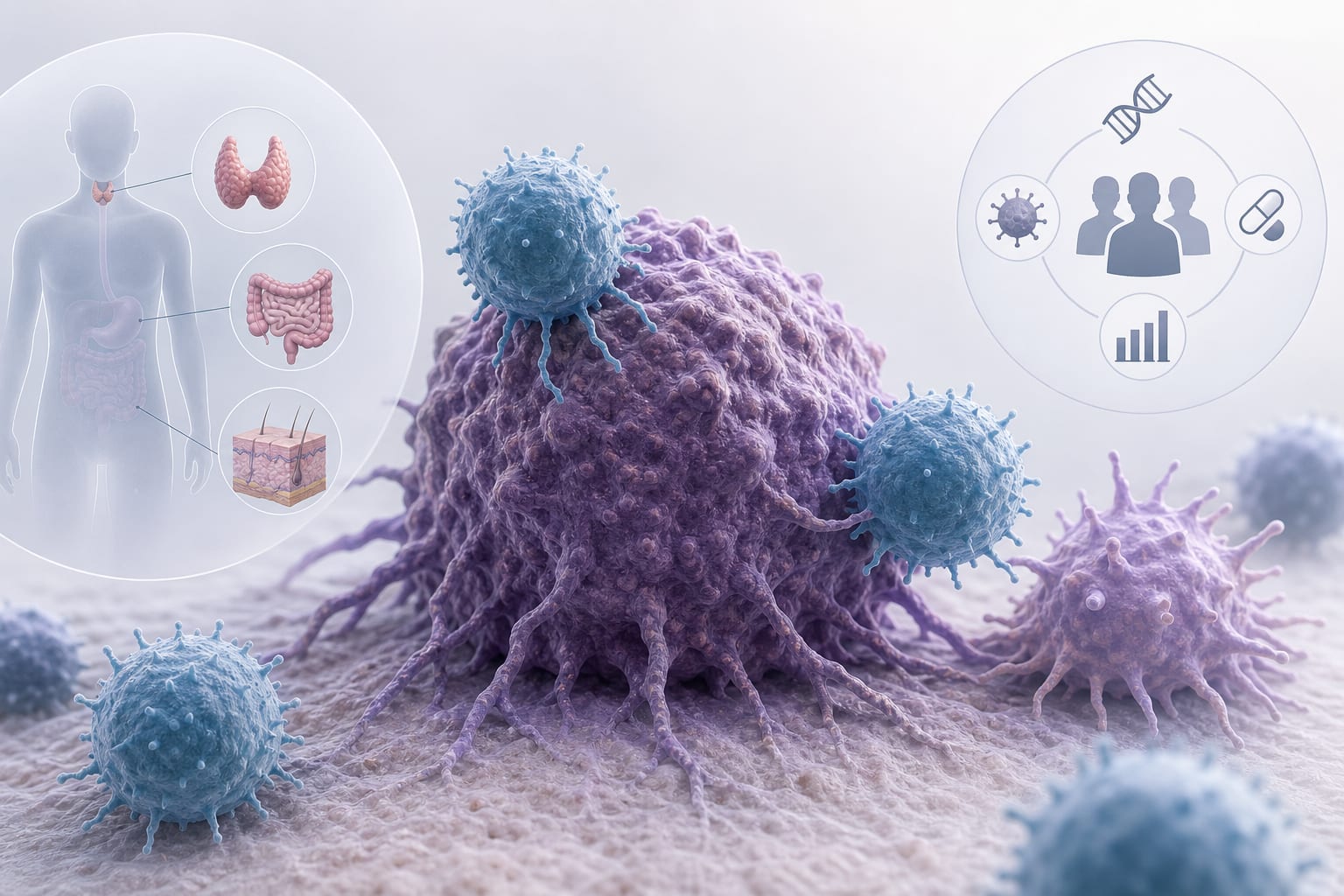
To investigate the tissue-specific molecular mechanisms driving cutaneous aggression in PTCL-NOS using single-cell RNA sequencing, highlighting the significance of these mechanisms in treatment outcomes.
Key Findings:
Skin-resident malignant T cells exhibited hyperproliferative phenotypes and activation of NF-κB and IL-17 signaling, suggesting a role in tumor aggressiveness.
Distinct tissue-specific transcriptional programs were identified in skin and blood compartments.
Interpretation:
The study reveals how the cutaneous microenvironment influences aggressive malignant phenotypes in PTCL-NOS, potentially guiding future therapeutic strategies.
Limitations:
The study is based on a single case, limiting generalizability.
Further research is needed to validate findings across larger cohorts and explore therapeutic implications.
Conclusion:
This case study highlights the potential for compartment-specific therapy targeting the unique microenvironment of PTCL-NOS, emphasizing the need for tailored treatment approaches.