Metabolic cell competition in the glioblastoma tumour microenvironment: glucose, glutamine, and lactate as determinants of immune exclusion and targets for pharmacological reprogramming - Summary - MDSpire
Advertisement
Metabolic cell competition in the glioblastoma tumour microenvironment: glucose, glutamine, and lactate as determinants of immune exclusion and targets for pharmacological reprogramming
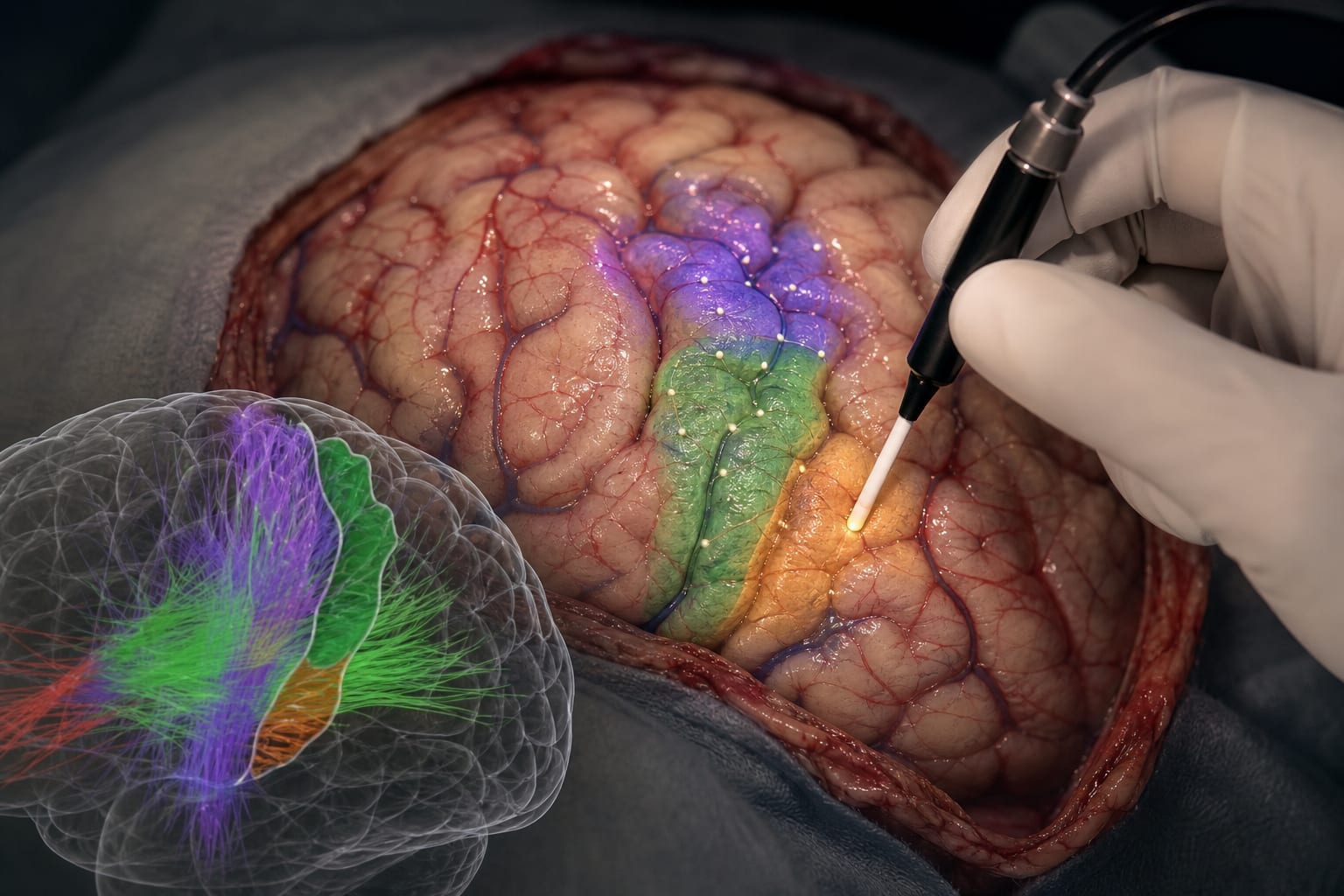
To explore metabolic competition in the glioblastoma microenvironment and its implications for immune exclusion and pharmacological interventions.
Approach:
Metabolic Cell Competition: The review discusses how differential metabolic fitness, particularly through glucose and glutamine consumption, establishes a suppressive hierarchy in the glioblastoma tumor microenvironment.
Pharmacological Interventions: Various pharmacological strategies are reviewed, including glutamine antagonism, dichloroacetate, and pharmacological ketosis, aimed at disrupting metabolic competition to enhance T cell function.
Key Findings:
Aerobic glycolysis in GBM cells produces lactate, polarizing tumor-associated macrophages towards immunosuppressive phenotypes.
GBM cells and immunosuppressive myeloid cells rely on glucose and glutamine for their functions, while cytotoxic T cells can utilize fatty acid oxidation under substrate restriction.
Disrupting glucose and glutamine metabolism can reprogram the immunosuppressive myeloid compartment while preserving T cell fitness.
Interpretation:
The glioblastoma TME is characterized by a competitive metabolic landscape where GBM and myeloid cells compete with T cells for essential nutrients, leading to immune exclusion.
Limitations:
The review synthesizes evidence from various studies but does not provide extensive clinical trial data for all proposed interventions.
Research gaps in understanding the complete metabolic interactions within the TME are acknowledged.
Conclusion:
The review proposes that simultaneous disruption of GBM cells and immunosuppressive myeloid cells may be a therapeutic strategy.
A targeted radiopharmaceutical improves CAR T activity in neuroblastoma models, engineered Tregs suppress allergic asthma, and new gene therapy platforms target MMA and the brain