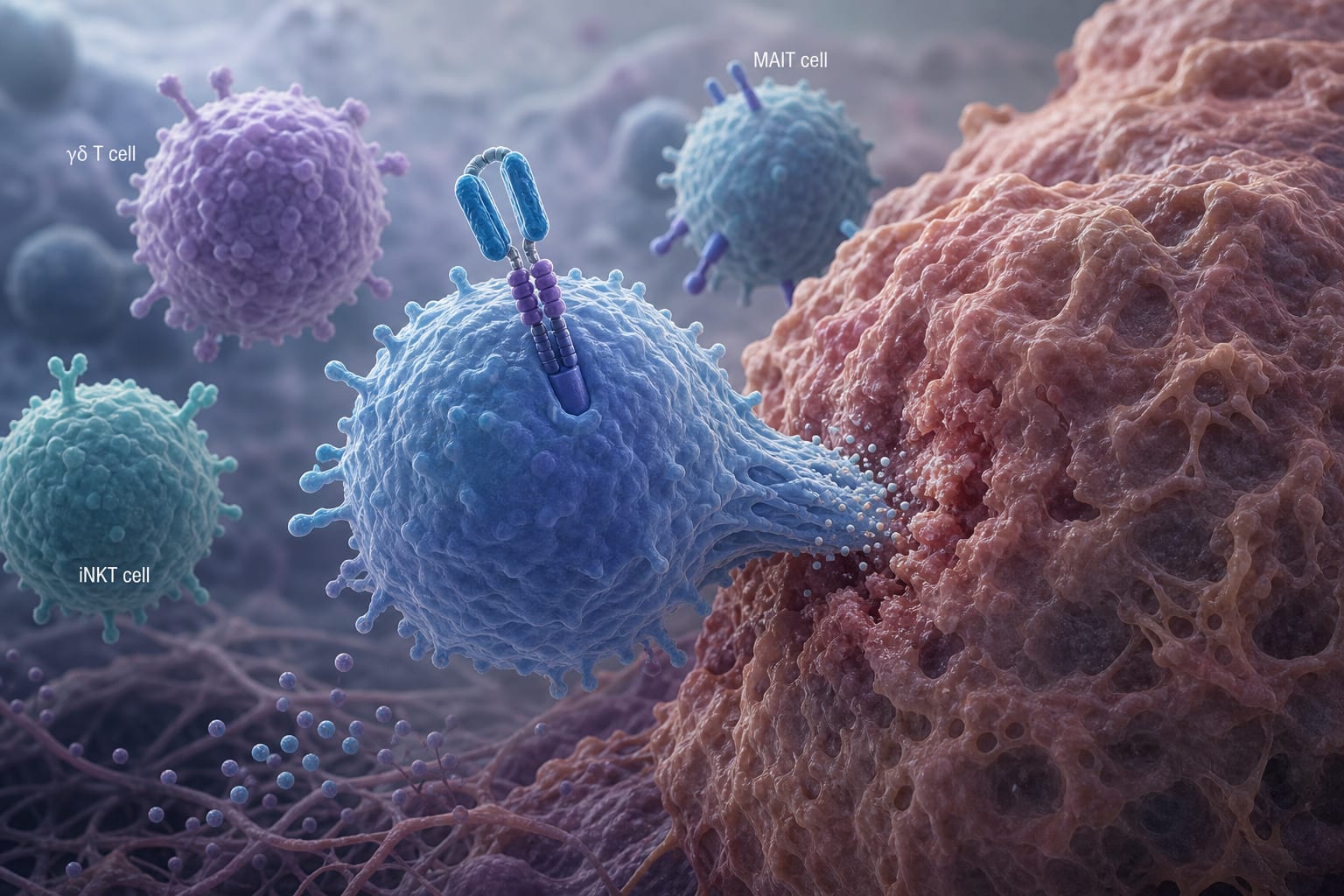
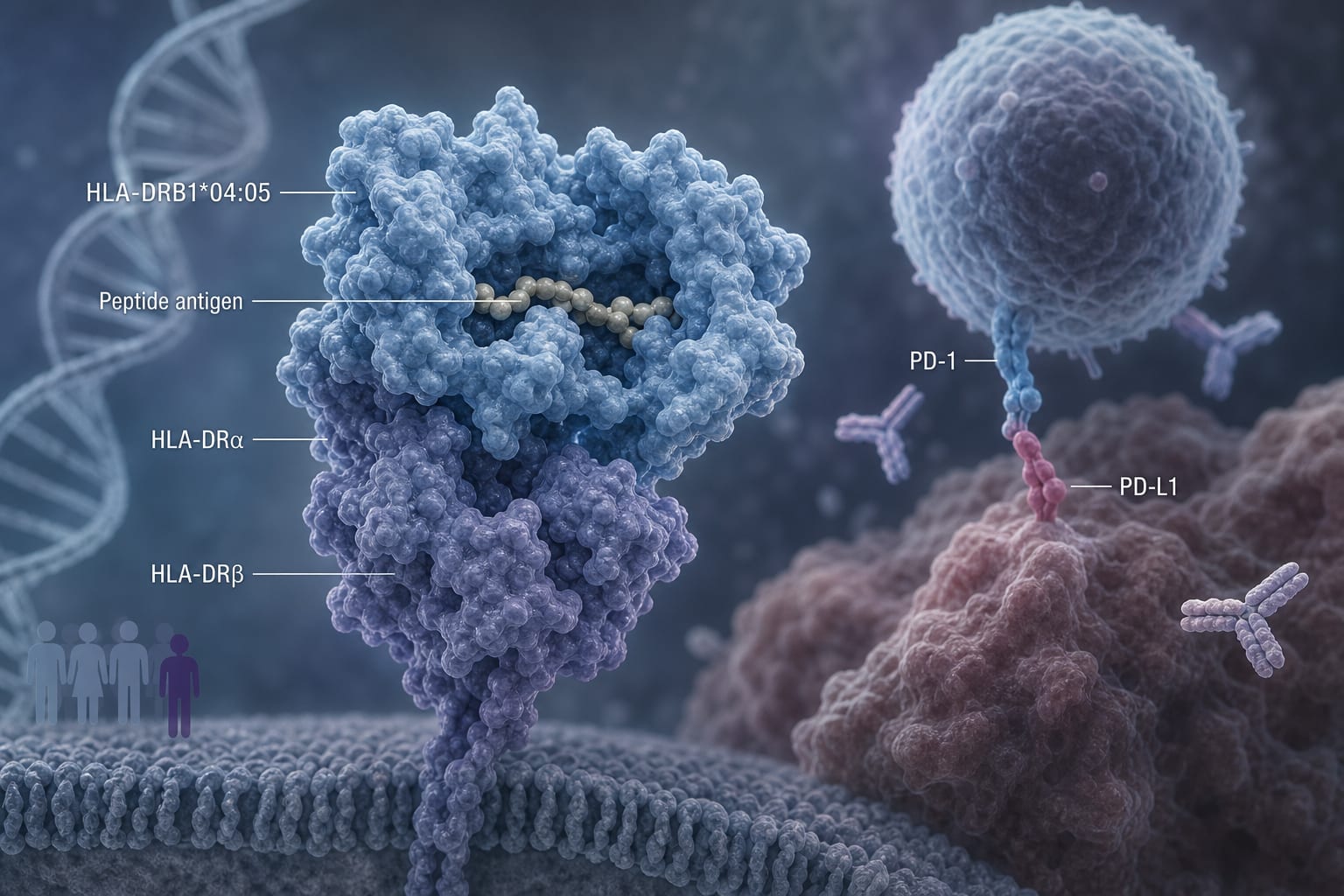
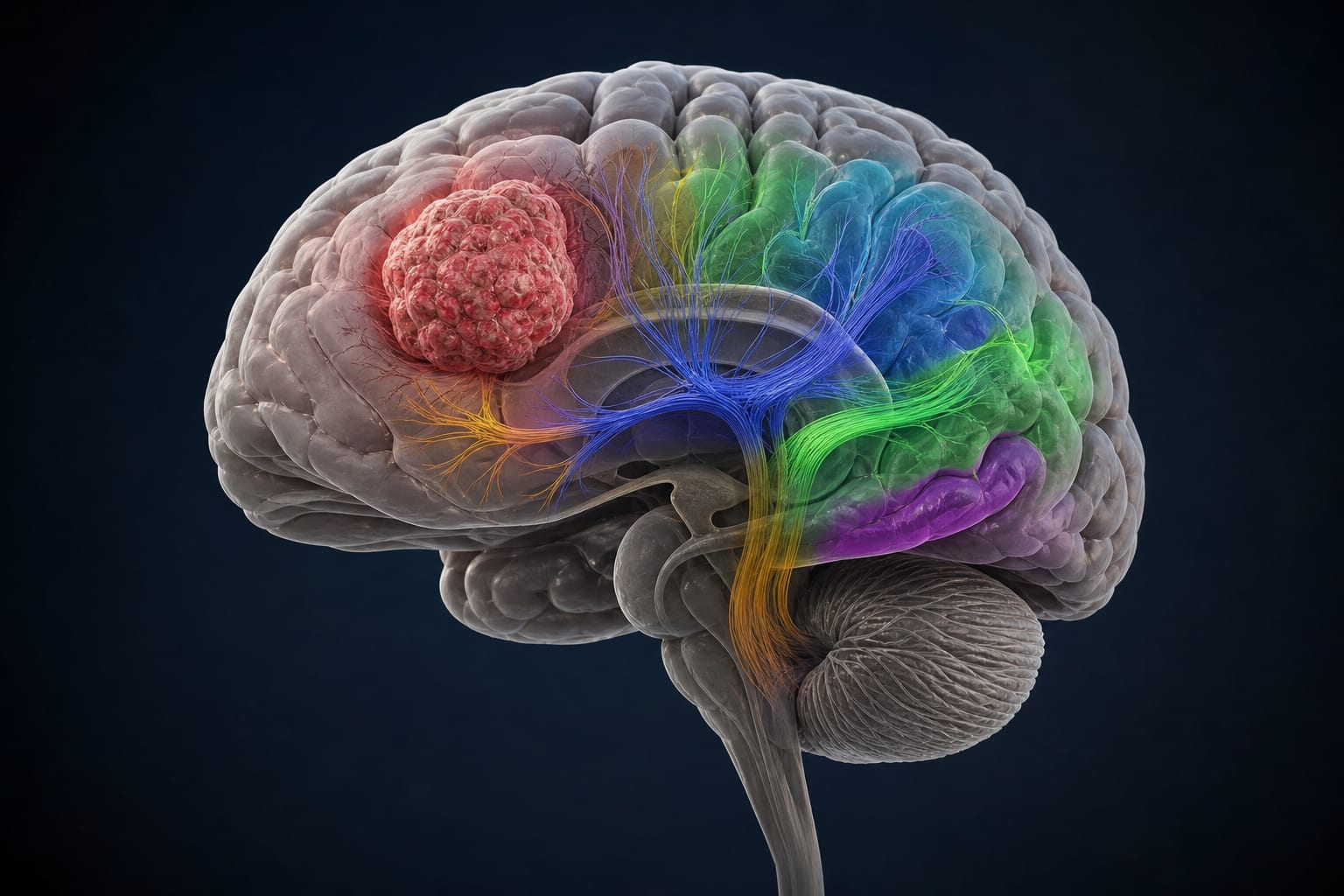
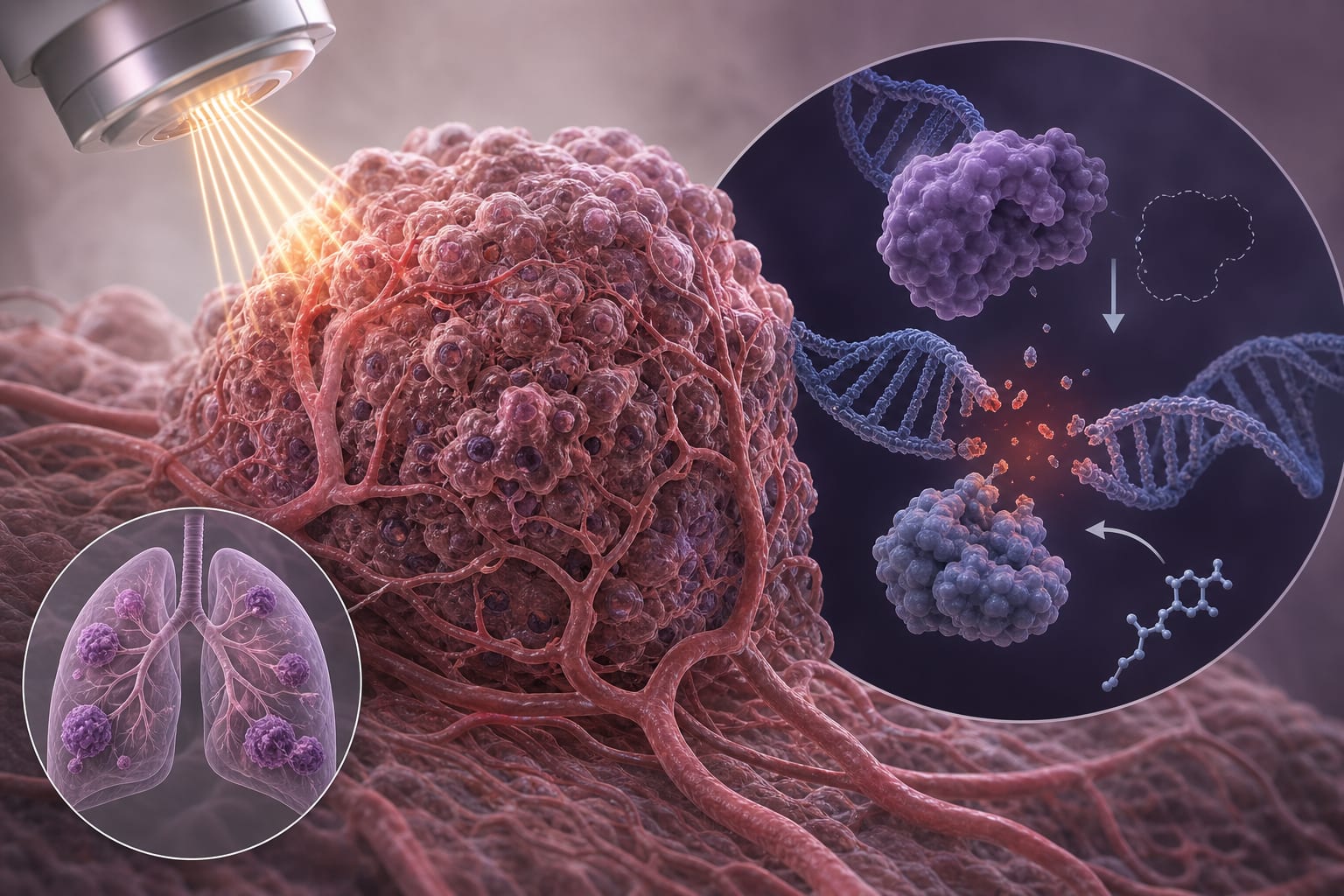
To explore the potential of unconventional T cells (UCTs) and CAR-T cell therapies in enhancing cancer immunotherapy, particularly in overcoming current treatment limitations.
Approach:
Key Findings:
UCTs display significant heterogeneity and functional plasticity, influencing their roles in cancer and potential therapeutic applications.
MAIT cells' polarization is affected by aging and inflammation, impacting tumor progression and patient outcomes.
iNKT cells can acquire regulatory-like phenotypes through antigenic stimulation, presenting both therapeutic potential and exhaustion risks, which need to be managed.
Comparative studies in animals reveal conserved UCT mechanisms that may inform human therapies, highlighting the translational potential.
iNKT cells offer advantages for CAR therapies, including reduced risk of graft-versus-host disease and enhanced anti-tumor activity, making them promising candidates for future therapies.
Interpretation:
The editorial underscores the evolving landscape of cancer immunotherapy, highlighting the integration of UCTs and CAR-T cell therapies as promising avenues for enhancing treatment efficacy and addressing current limitations.
Limitations:
The complexity of the tumor microenvironment poses significant challenges for effective immunotherapy, particularly for UCTs.
Current CAR-T therapies face limitations in solid tumors due to hostile microenvironments, necessitating innovative approaches.
Conclusion:
The integration of unconventional T cells into CAR-T cell therapies represents a promising direction for advancing cancer immunotherapy.