To summarize recent advances in lactylation research in skin diseases and explore its potential as a therapeutic target.
Approach:
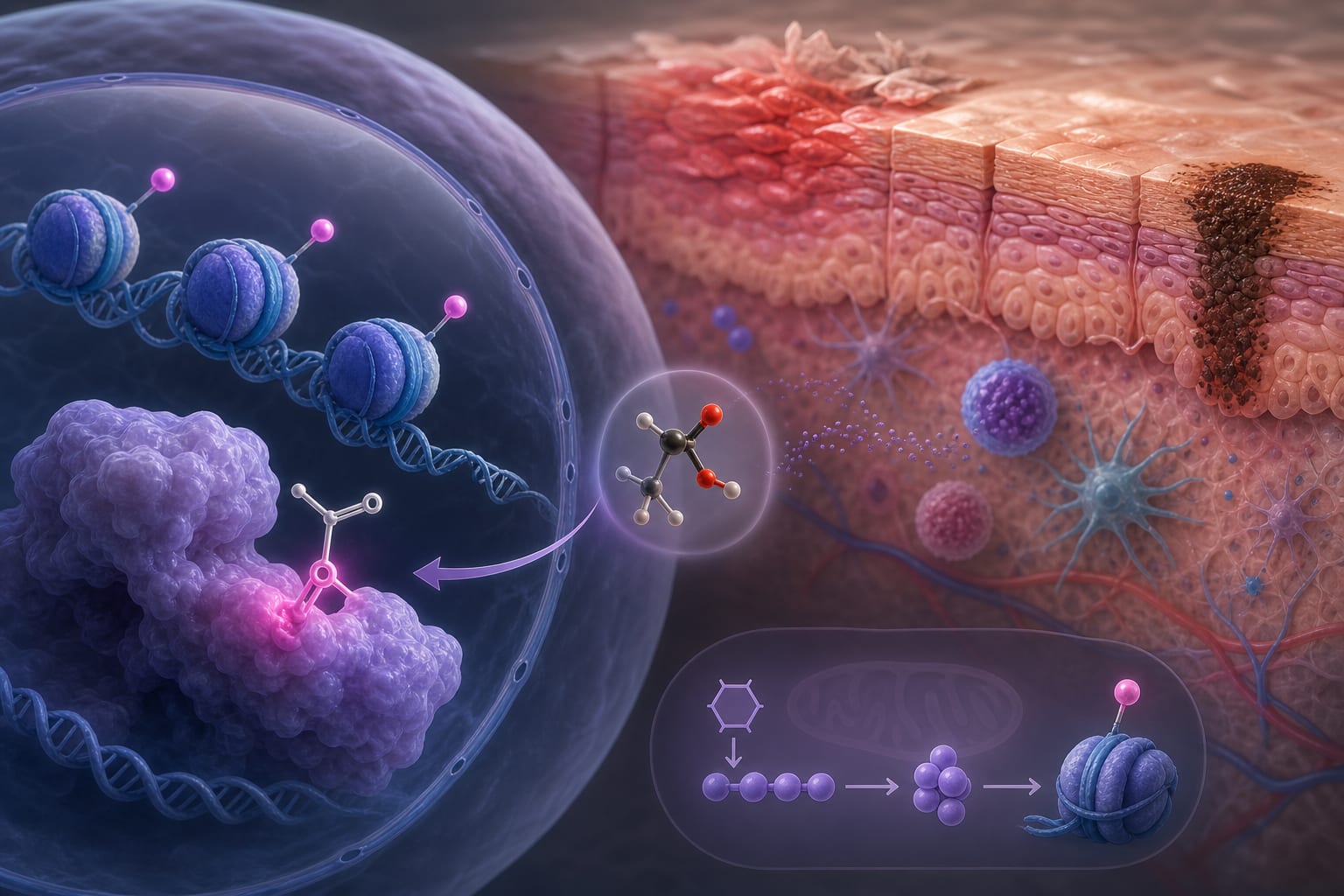
Lactylation Mechanism: Lactylation involves the transfer of a lactyl group from lactyl coenzyme A to lysine residues on proteins, linking cellular metabolism to epigenetic regulation and influencing gene transcription.
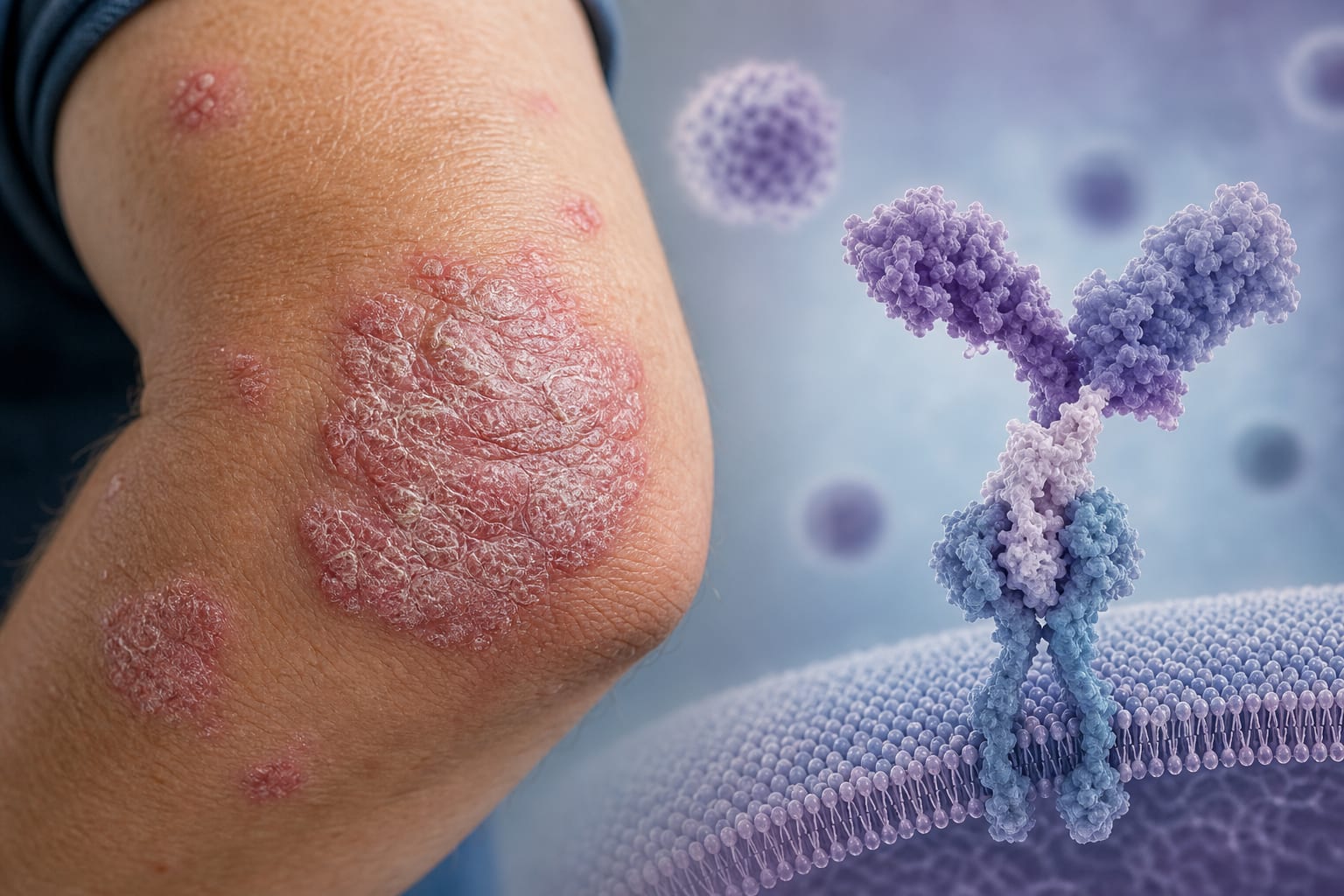
Role in Skin Diseases: The review explores the role of lactylation in various skin diseases, including psoriasis, atopic dermatitis, pathologic scars, and melanoma, highlighting its involvement in immune-inflammatory processes.
Therapeutic Potential: Lactylation-related inhibitors have shown therapeutic potential in cancer, metabolic, and immunological fields, warranting further investigation in dermatological applications.
Key Findings:
Lactate serves as a significant energy source and regulatory factor in biological processes, influencing immune responses and gene expression.
Lactylation is linked to the pathogenesis of multiple skin diseases, particularly autoimmune and inflammatory conditions, with emerging evidence supporting its role.
Direct evidence for lactylation as a pathogenic driver in skin diseases is still emerging, indicating a need for further research.
Interpretation:
Lactylation represents a novel post-translational modification that may serve as a therapeutic target for skin disorders.
Limitations:
Direct evidence for lactylation's role in skin disease pathogenesis is still limited, which may hinder the development of targeted therapies.
The functional roles of identified lactylation sites remain largely unknown, necessitating further investigation.
Conclusion:
Lactate-mediated lactylation may emerge as a novel therapeutic intervention target for skin disorders.