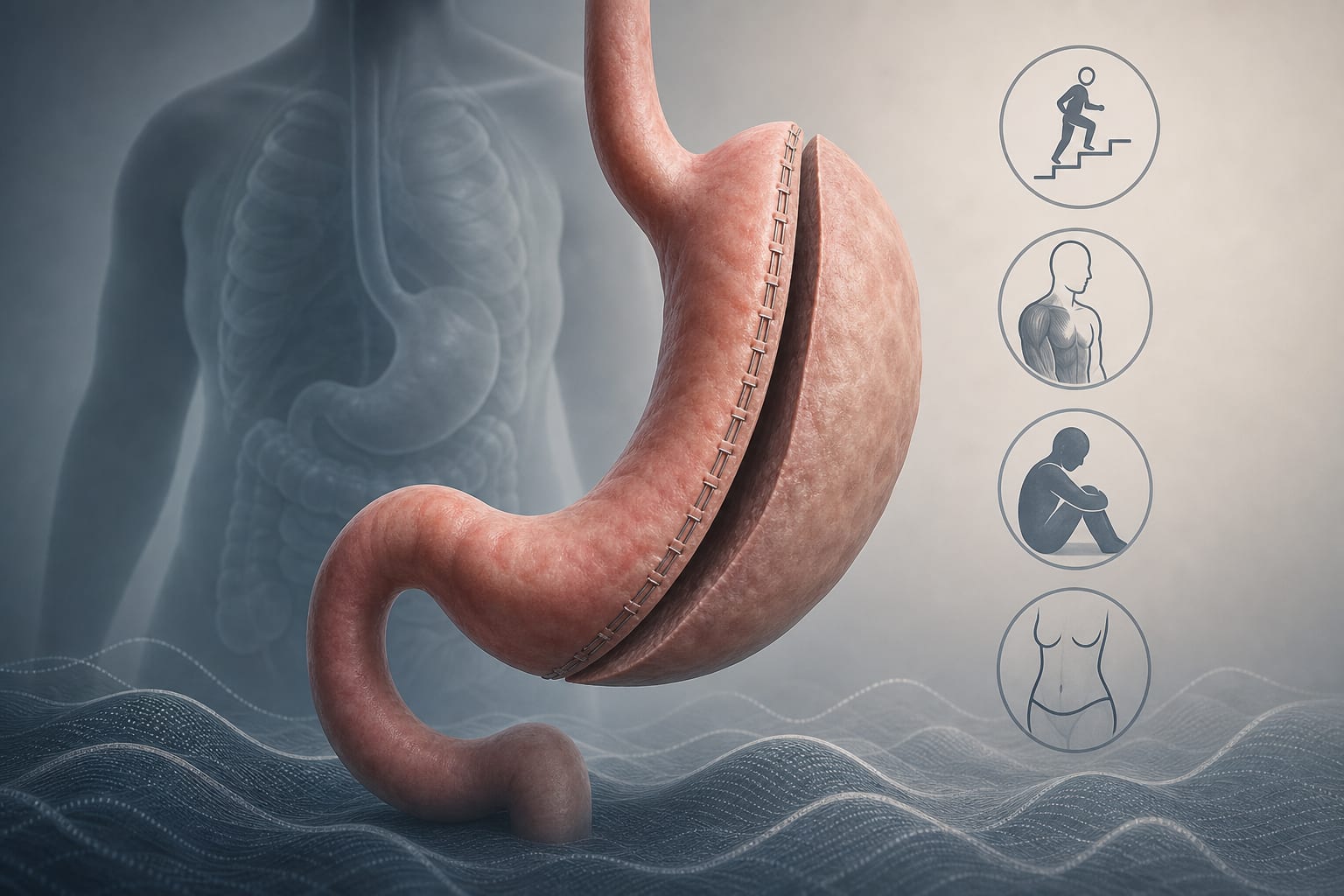
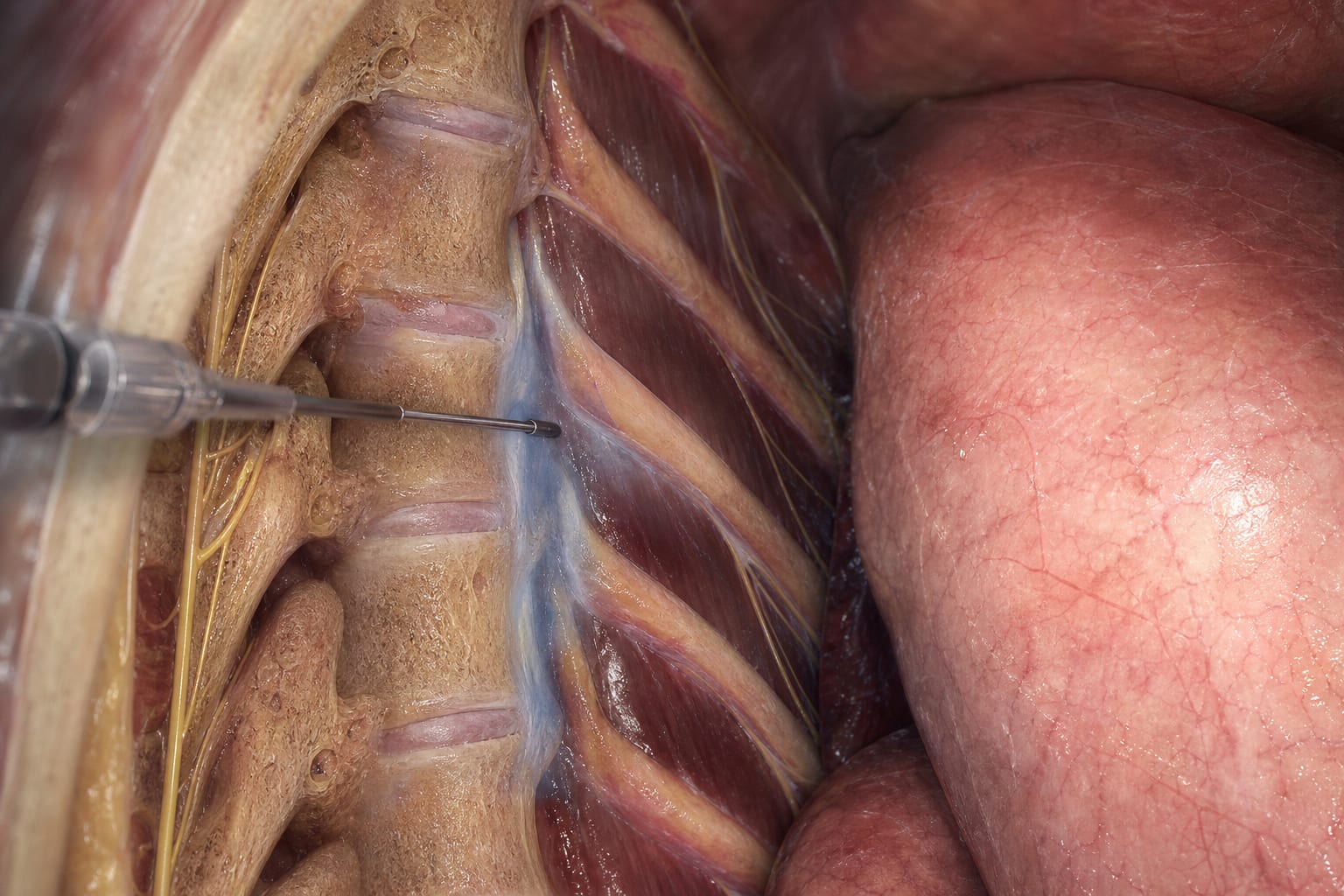
To discuss the long-term quality of life (QoL) outcomes following sleeve gastrectomy (SG) in patients with major postoperative complications.
Approach:
Evaluation of QoL: The authors commend the 10-year follow-up data showing reduced QoL in patients with complications despite similar weight loss outcomes.
Mechanisms of QoL Deterioration: The response suggests that QoL decline may be linked to long-term functional and structural consequences rather than complications alone.
Factors Influencing QoL: Factors such as reduced physical capacity, impaired exercise tolerance, sarcopenia, and chronic pain are highlighted as significant contributors to QoL.
Impact of Body Contour Changes: Changes in body contour post-weight loss, particularly excess skin, may affect body image and self-esteem, impacting overall satisfaction.
Recommendations for Future Studies: Future research should include assessments of functional capacity, muscle mass, pain, and body image to better understand QoL impacts.
Key Findings:
QoL is significantly reduced in patients with a complicated postoperative course after SG.
The BAROS scoring system may not fully capture the multidimensional nature of postoperative health status.
Interpretation:
A multidisciplinary postoperative approach may be essential to improve long-term outcomes after SG.
Limitations:
The BAROS scoring system does not adequately reflect functional and psychosocial domains.
Conclusion:
Integrating functional and body image-related parameters may enhance understanding of QoL impairment in this patient population.