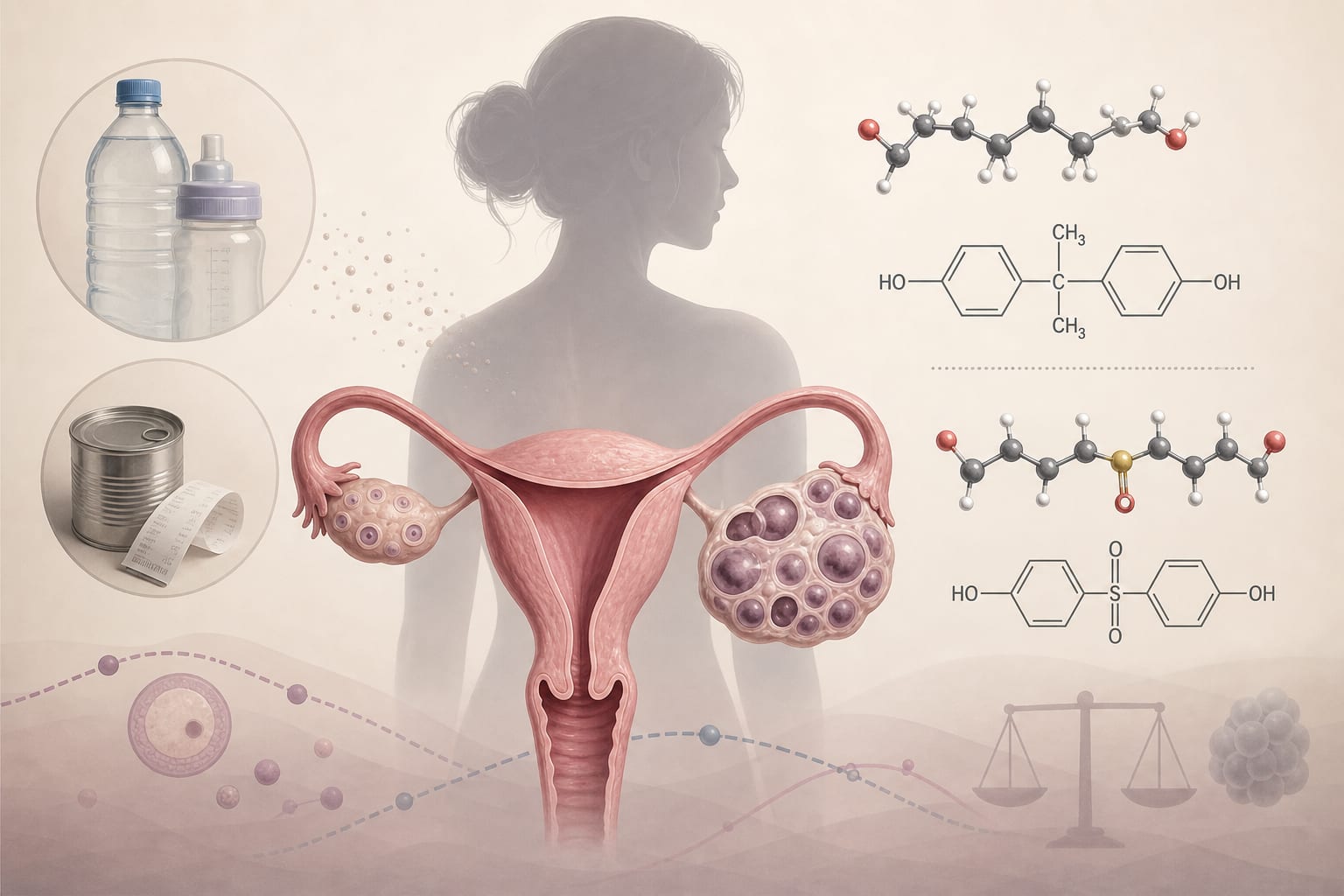
To evaluate the association between bisphenol exposure and the risk of developing polycystic ovary syndrome (PCOS) through a systematic review and meta-analysis of observational studies, including cross-sectional, case-control, and longitudinal studies.
Approach:
Key Findings:
Significant positive associations were found between PCOS risk and serum BPA (SMD = 1.32, 95% CI: 0.83–1.82), urinary BPA (SMD = 2.69, 95% CI: 1.41–3.97), and serum BPS (SMD = 0.26, 95% CI: 0.07–0.46), suggesting a need for further investigation into the implications of these findings.
Interpretation:
Exposure to bisphenols, particularly BPA and BPS, is significantly associated with an increased risk of PCOS, likely through endocrine disruption and metabolic dysregulation, which may affect reproductive health and metabolic processes.
Limitations:
High heterogeneity in BPA studies may affect the reliability of the findings, and the variability in study quality could influence the overall conclusions drawn from the meta-analysis.
Conclusion:
The findings suggest a significant association between bisphenol exposure and PCOS risk, highlighting the urgent need for regulatory policies to reduce exposure and further research on gene-environment interactions.