To describe a large community-based digital program delivering GLP-1 receptor agonist (GLP-1RA) treatment to women and assess treatment outcomes over six months.
Approach:
Design and cohort: This real-world assessment included 8,127 adult women who began GLP-1RA therapy after digital screening, laboratory testing, and clinical review. Recruitment ran from 27 November 2024 to 31 January 2025.
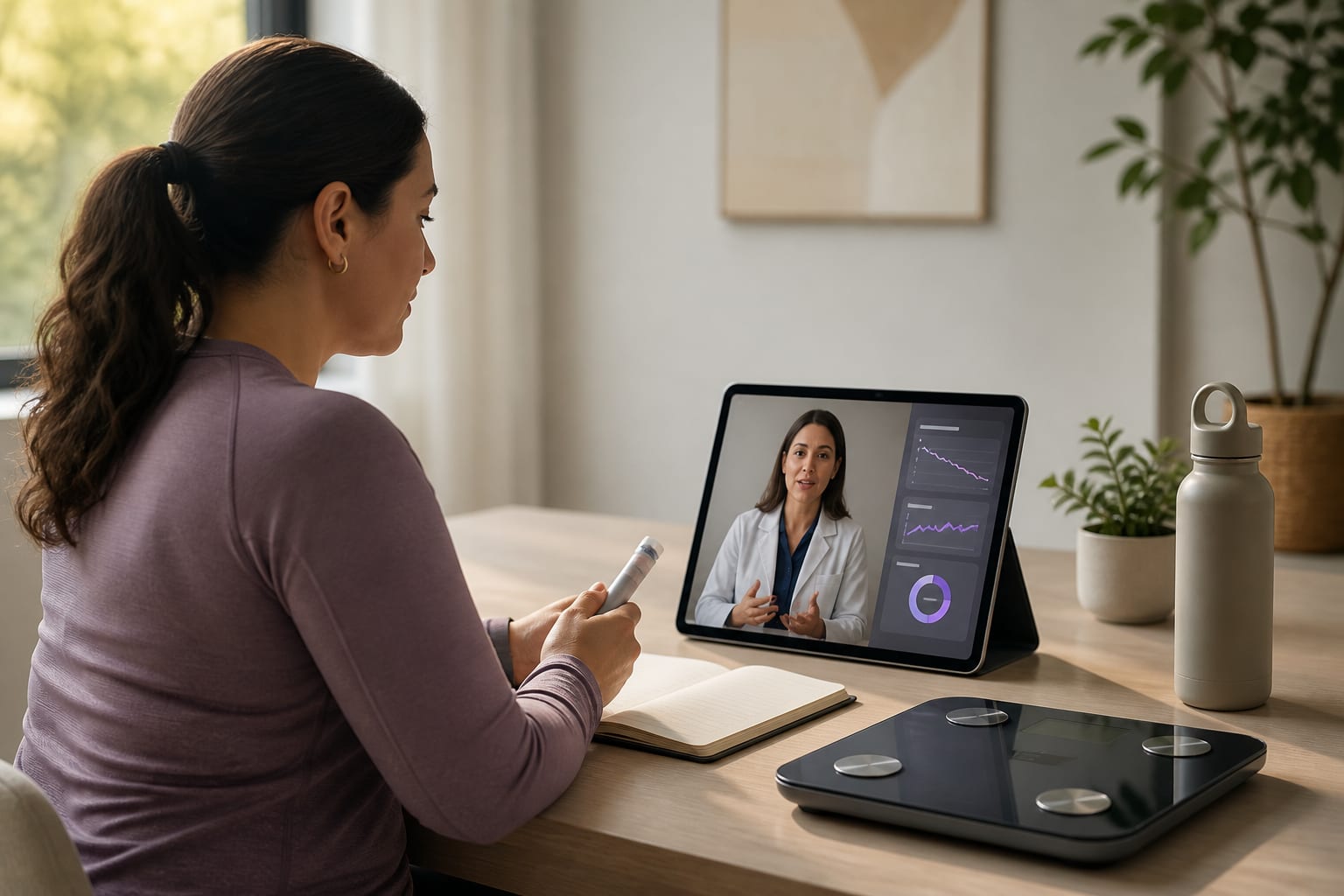
Care model: The program used monthly structured questionnaires and clinician assessments, weekly live-video check-ins, supervised weight and medication verification, individualized dose titration, and ongoing side-effect education.
Follow-up: At six months, 7,297 participants (89.8%) provided weight measurements and 6,466 (79.6%) had repeat biochemical assessments.
Key Findings:
Mean baseline weight was 104.2 kg and mean BMI was 38.2 kg/m²; 95.5% met criteria for class I–III obesity.
Participants were aged 18–79 years; 82.1% were aged 30 to under 60, 88.0% were white, and 37.6% lived in the two most deprived socioeconomic quintiles.
Tirzepatide 2.5 mg weekly was the starting dose for 99.6% of participants.
The supplied context does not report six-month weight-change or biochemical outcome results.
Interpretation:
The study describes a structured digital–clinical hybrid model and a large real-world cohort of women receiving GLP-1RA therapy. The provided material establishes cohort characteristics and follow-up availability but does not provide treatment-effect estimates.
Limitations:
The supplied article context ends during the medication-dosing section and does not include the six-month outcome results.
Baseline blood testing was not completed by 4,025 initially eligible individuals, and clinical review excluded a further 308.
The cohort was predominantly white, limiting the representation of other ethnic groups.
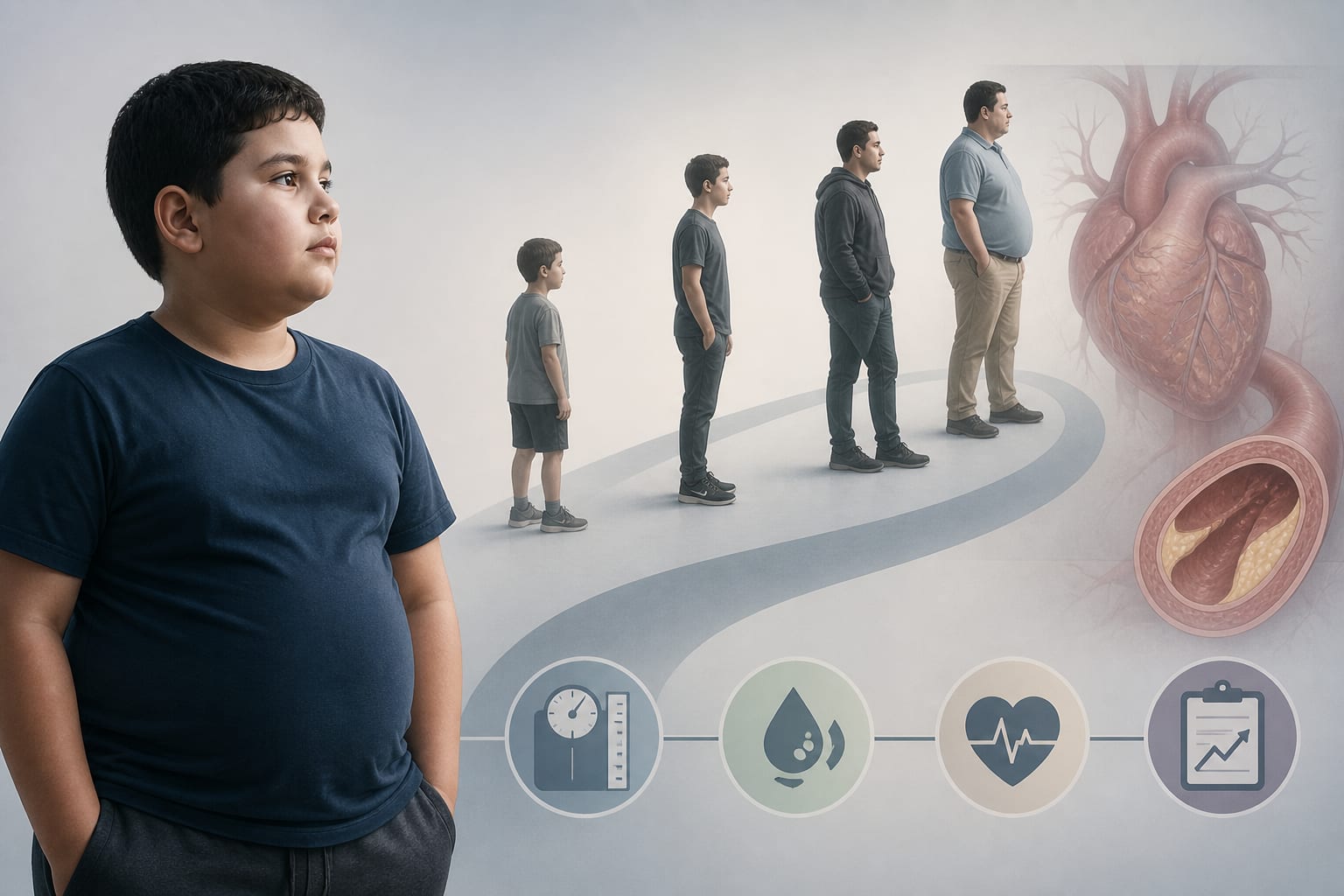
Investigators examined Life’s Essential 8 scores and carotid ultrasonography measures across cardiovascular-kidney-metabolic stages in 1,283 young adults.