Can Endotoxin-Targeted Care Improve Sepsis Outcomes? - Summary - MDSpire
Advertisement
Can Endotoxin-Targeted Care Improve Sepsis Outcomes?
Biomarker-guided patient selection may help identify patients with sepsis who could benefit from endotoxin-targeted therapy, although confirmatory evidence is still needed.
To examine whether an endotoxin- and severity-guided approach could improve patient selection for endotoxin-targeted therapy in sepsis.
Approach:
TIGRIS Trial Overview: The TIGRIS trial selected patients with endotoxin activity assay values of 0.60 to 0.89 and significant but potentially reversible organ dysfunction.
Biologically Guided Selection: Investigators reviewed data on sepsis biology and previous trials to suggest a shift from syndromic enrollment to biomarker-guided patient selection.
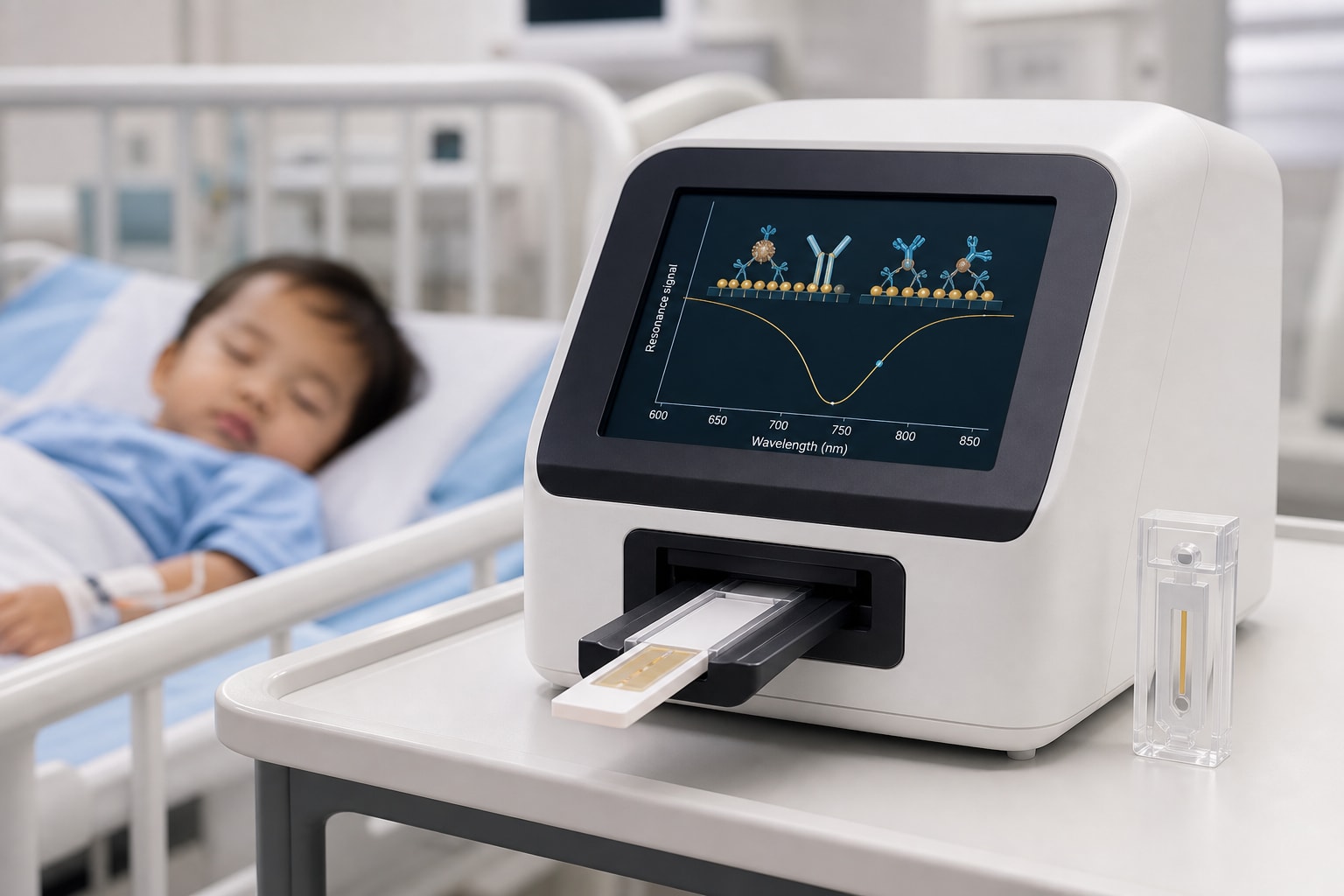
Endotoxin Activity Assay: The assay measures circulating endotoxin bioactivity and may help identify patients for whom endotoxin is a modifiable driver of organ dysfunction.
Key Findings:
Defining a therapeutic window based on endotoxin activity and organ dysfunction may explain the treatment signal identified in the TIGRIS trial compared to earlier trials.
Previous trials may have failed due to enrolling biologically heterogeneous patient populations rather than those whose disease biology matched the intervention.
The principles from the TIGRIS trial may have broader implications for precision medicine in sepsis, suggesting a shift towards biomarker-guided patient selection.
Interpretation:
The available evidence remains preliminary as the primary trial results have not yet been fully published in a peer-reviewed report, limiting definitive conclusions.
Limitations:
Interpretation of the TIGRIS trial was based on ClinicalTrials.gov entries and sponsor-reported summaries, as a full peer-reviewed publication of the primary trial data is not yet available.
The reported treatment effect could not be independently verified and should be considered hypothesis-generating rather than confirmatory.
Broader implementation of endotoxin activity assay-guided therapy depends on assay availability, standardization, cost-effectiveness, and integration into routine clinical practice.
Conclusion:
The TIGRIS trial may suggest that biologically guided therapy has the potential to succeed where syndrome-based approaches have failed, though further validation is needed.