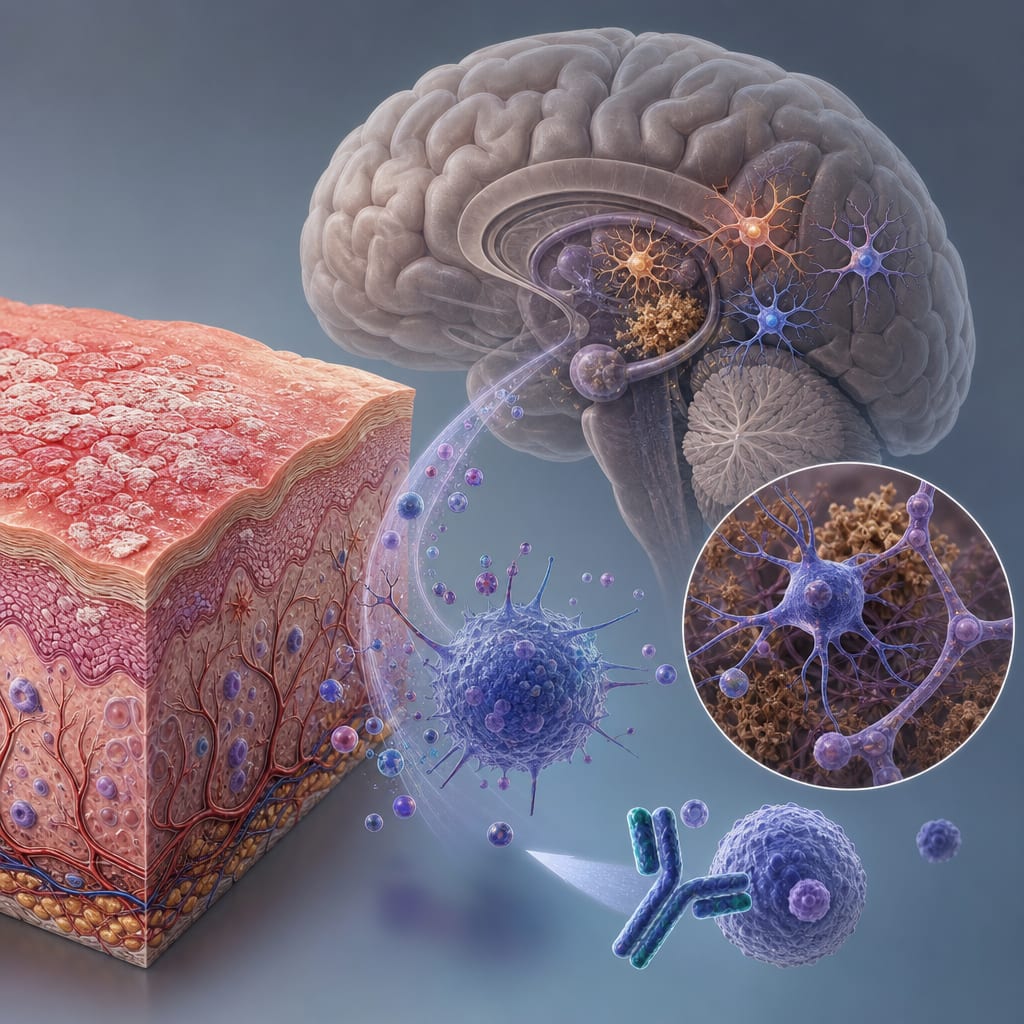
To evaluate the association between low CD4 count prior to antiretroviral therapy (ART) and the risk of developing dementia in older adults with HIV (aged ≥50 years).
Key Findings:
30% of participants had pre-ART CD4 < 200 cells/µL.
Over a mean follow-up of 7 years, 618 participants were diagnosed with dementia.
Low pre-ART CD4 was associated with a higher risk of dementia (adjusted hazard ratio [aHR]: 1.33, 95% CI: 1.13–1.57).
CD4 recovery after ART reduced but did not eliminate dementia risk (aHR: 1.17, 95% CI: 0.85–1.60).
Interpretation:
Delayed HIV diagnosis or treatment, indicated by low pre-ART CD4 counts, is linked to an increased risk of dementia in older adults with HIV, underscoring the critical need for early detection and prompt treatment.
Limitations:
The study is retrospective and relies on electronic health records, which may have incomplete data.
The analysis may not account for all potential confounding factors influencing dementia risk, such as comorbidities and lifestyle factors.
Conclusion:
Continuing assertive HIV screening and prompt ART initiation is crucial for supporting long-term cognitive health in individuals with HIV.
by Jennifer O Lam, Catherine Lee, Craig E Hou, Dongjie Fan, Haihong Hu, Errol Lopez, Alexandra Lea, William J Towner, Michael A Horberg, Michael J Silverberg