To explore the effects of vibratory therapy (VT) on endocrine disorders and share scientific information regarding its role in diseases such as osteoporosis, obesity, and diabetes, while emphasizing the need for further research.
Key Findings:
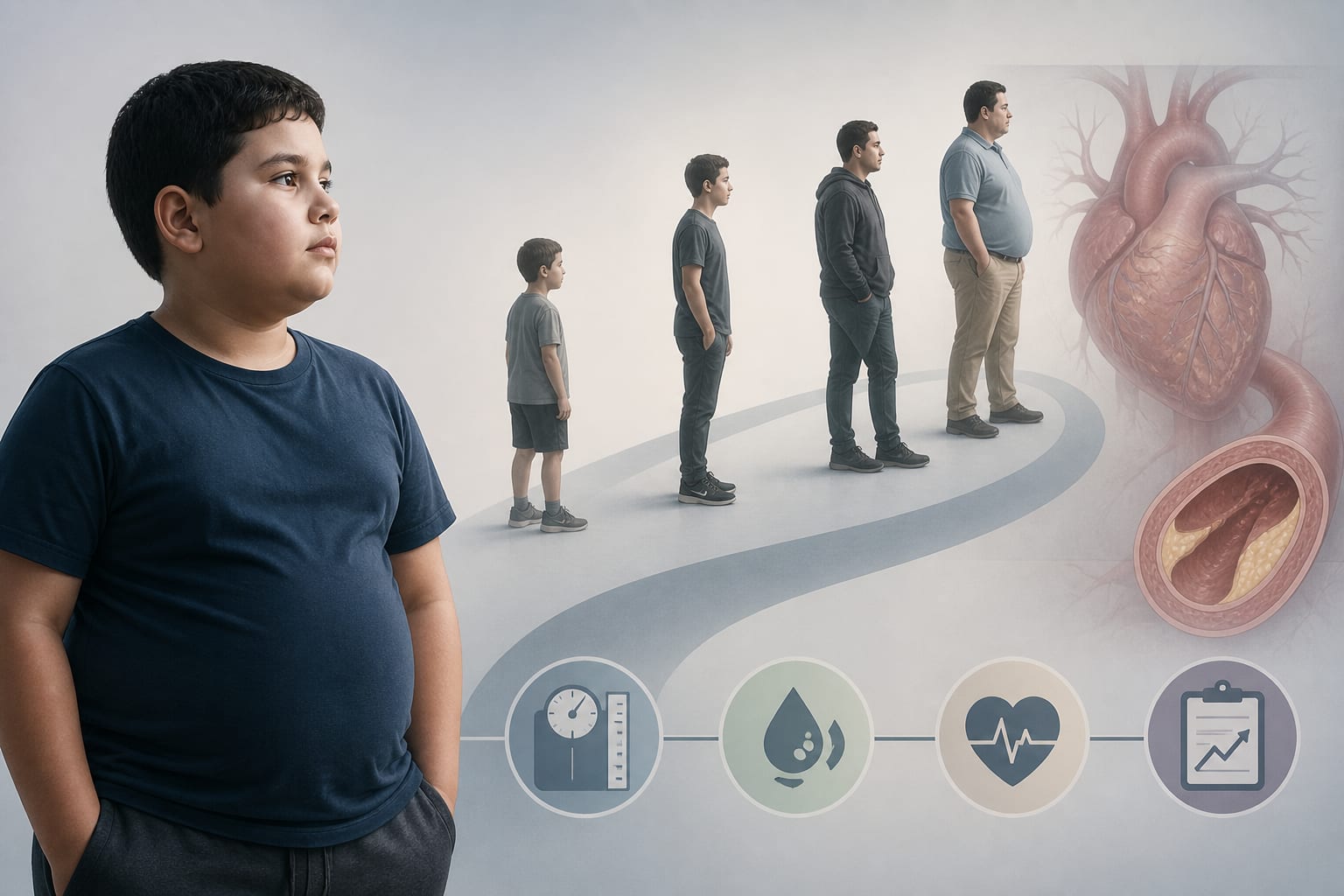
VT may enhance resting energy expenditure in obese adolescents.
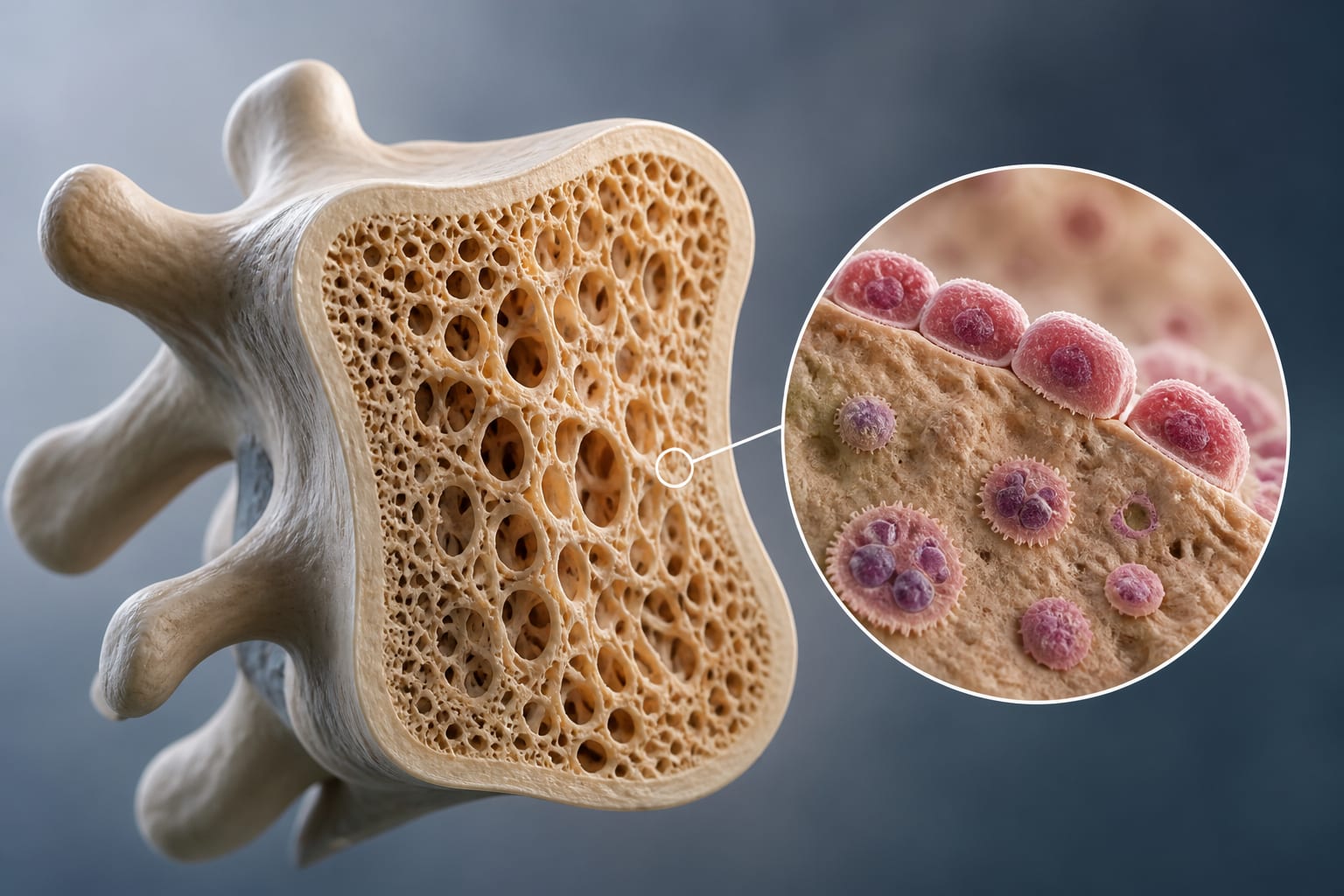
WBV can modulate osteogenesis and immune response in postmenopausal women, potentially addressing osteoporosis.
VT shows promise in improving functional capacity and glycemic control in individuals with type 2 diabetes.
VT may exhibit synergistic effects when combined with pharmacological treatments.
Interpretation:
The editorial emphasizes the need for further research on the role of VT in endocrine disorders, highlighting its potential as a complementary treatment strategy.
Limitations:
Current evidence on the effectiveness of VT for endocrine disorders is sparse.
Passive vibratory stimulation alone may not provide optimal therapeutic effects without active muscle contractions.
Conclusion:
The exploration of VT's effects on the endocrine system is crucial, particularly for conditions like osteoporosis, obesity, and diabetes, as mechanoreceptors in the body may respond positively to this therapy, highlighting the importance of mechanotransduction.