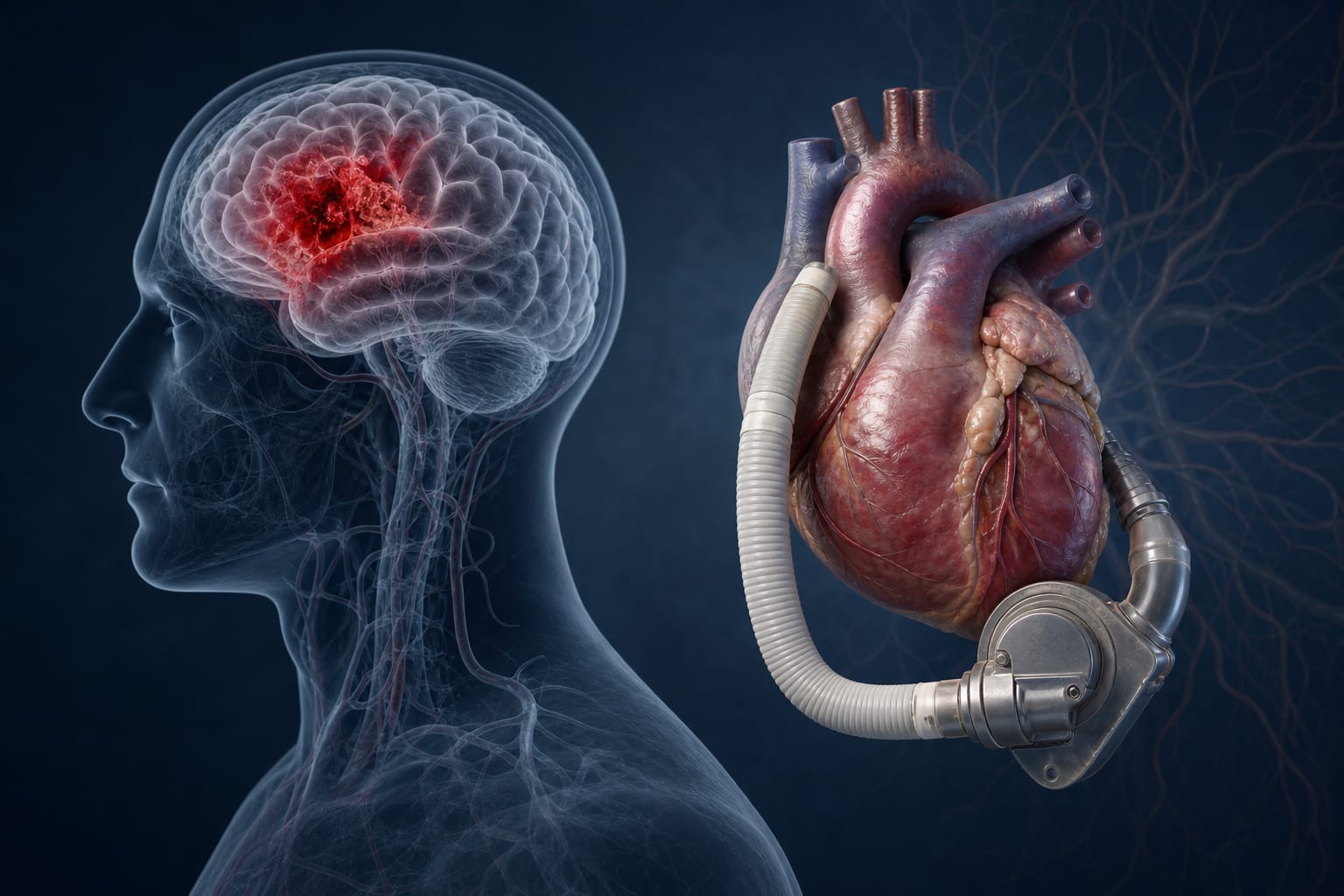
To assess the cardioprotective effects of aegeline in an experimental myocardial infarction model.
Approach:
Experimental Model: Isoproterenol (ISO) was used to induce acute myocardial infarction in rats, followed by administration of aegeline.
Dosing: Aegeline was administered at doses of 5 and 10 mg on the 29th and 30th days, respectively.
Biochemical and Histopathological Analysis: Assessment of myocardial damage, oxidative stress markers, inflammatory indicators, and apoptotic expression.
Molecular Docking: Used AutoDock Vina to evaluate binding affinity of aegeline to cardiac proteins.
Molecular Dynamics Simulations: Conducted to support docking findings and analyze stability of protein-ligand interactions.
Key Findings:
Aegeline exhibited cardioprotective properties against ISO-induced myocardial damage, as evidenced by improved histopathological features and reduced myocardial damage.
Aegeline reduced oxidative stress and inflammation markers, including specific biochemical indicators.
Molecular docking revealed strong binding affinity of aegeline for CK-MB, with additional targets identified.
No adverse effects on liver or kidney function were observed.
Interpretation:
Aegeline may attenuate myocardial injury through mechanisms involving oxidative stress reduction, inflammation modulation, and apoptosis inhibition.
Limitations:
The study was conducted in an animal model, which may not fully replicate human conditions.
Further studies are needed to explore the long-term effects and safety of aegeline.
Conclusion:
Aegeline demonstrates cardioprotective effects in experimental myocardial injury, supported by biochemical, histopathological, and computational analyses.
by Sami I. Alzarea, Muhammad Afzal, Misbahuddin Rafeeq, Alaa Hamed Habib, Tariq G. Alsahli, Omar Awad Alsaidan, Hassan H. Alhassan, Abdulaziz Ibrahim Alzarea, Aseel Awad Alsaidan, Nadeem Sayyed, Imran Kazmi