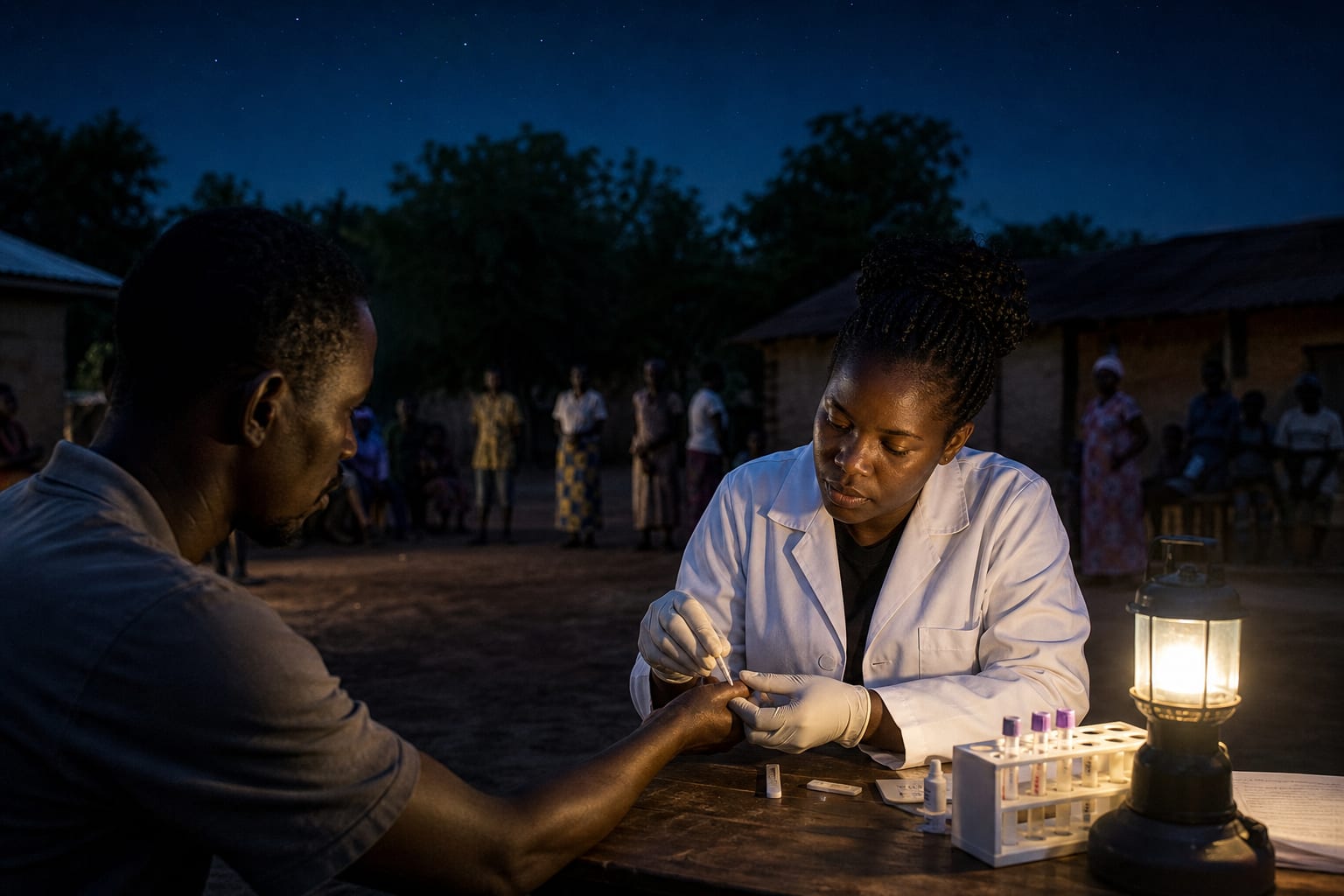
To evaluate C-reactive protein (CRP) as a diagnostic and treatment response monitoring tool for pulmonary tuberculosis (TB) in Kenyan children aged ≤15 years.
Key Findings:
CRP sensitivity for confirmed TB was 50.0% at a 5 mg/L threshold and decreased to 44.4% at 10 mg/L, indicating a need for improved diagnostic methods.
CRP sensitivity for unconfirmed TB was 35.5% at 5 mg/L and 28.4% at 10 mg/L.
Median CRP levels decreased significantly during treatment in children with elevated baseline CRP (≥5 mg/L).
Interpretation:
While CRP shows potential for monitoring treatment response in pediatric TB, its diagnostic sensitivity remains suboptimal, highlighting the need for improved diagnostic methods.
Limitations:
Low sensitivity of CRP for diagnosing TB, which may affect clinical decision-making.
Potential reporting errors in CRP results due to laboratory issues, impacting the reliability of findings.
Conclusion:
CRP may be useful for monitoring treatment response in pediatric TB but is not reliable for diagnosis, underscoring the need for better diagnostic tools.
Research highlights expanding diagnostic capabilities but persistent gaps in antiviral therapy and vaccine coverage for pediatric enterovirus infections.