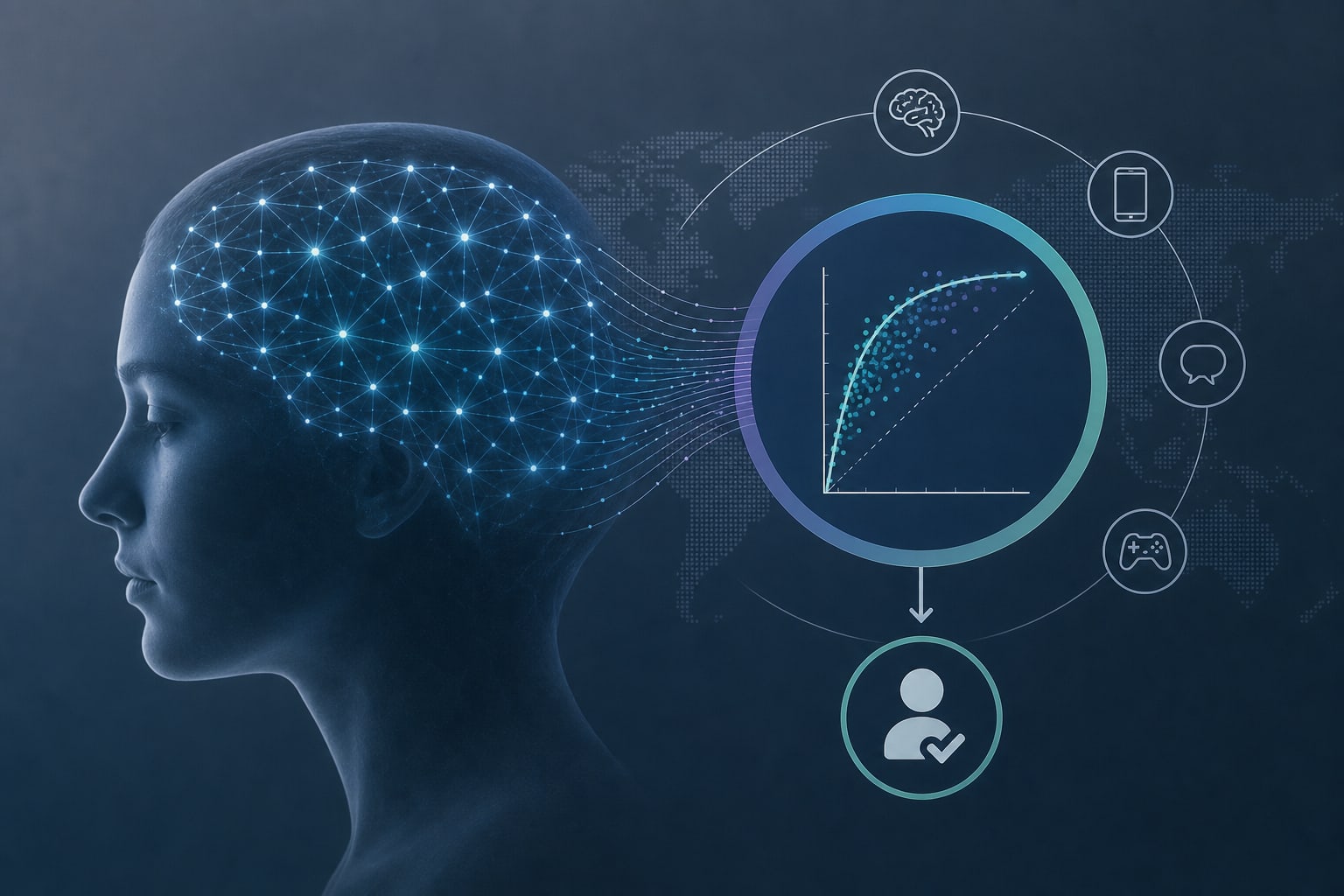
To evaluate the overall diagnostic performance of machine learning (ML) models in digital addiction (DA) screening and analyze factors influencing model performance.
Approach:
Key Findings:
Pooled classification accuracy was 0.87 (95% CI [0.85, 0.90]).
Bivariate diagnostic test accuracy framework yielded an AUC of 0.92 with balanced sensitivity and specificity (both 0.86).
High accuracy observed for internet addiction (0.90) and social media addiction (0.86).
Physiological markers showed superior specificity (0.90) compared to survey-based data.
Interpretation:
ML-driven tools have potential as scalable screening instruments for digital addiction, emphasizing the need for representative sampling and standardized diagnostic criteria.
Limitations:
Variability in diagnostic criteria and data quality across studies may affect the reliability of the findings.
Lack of pooled overall diagnostic performance metrics in existing literature limits the understanding of ML model effectiveness.
Conclusion:
The study provides evidence for the application of ML in identifying digital addiction and highlights the need for further research to address methodological challenges.
This Neuroscience Grand Rounds session, led by Yasaman Movahedi and Deanna Aghbashian, explores psychosis in adolescence through both clinical and neurocognitive lenses, emphasizing early recognition and multidisciplinary management.