To evaluate the demographic, neuro-surgical, and neuro-ophthalmological features of patients with vision-threatening meningiomas associated with prior low-dose irradiation for tinea capitis.
Approach:
Study Design: Retrospective case-control study approved by the local Institutional Review Board.
Cohort Selection: Patients with sight-threatening meningiomas were identified, with a focus on those previously treated with low-dose radiation for tinea capitis (radiation group) compared to a control group without prior radiation exposure.
Data Collection: Data on tumor characteristics, treatment modalities, and visual parameters were collected from medical records and neuro-ophthalmological examinations.
Key Findings:
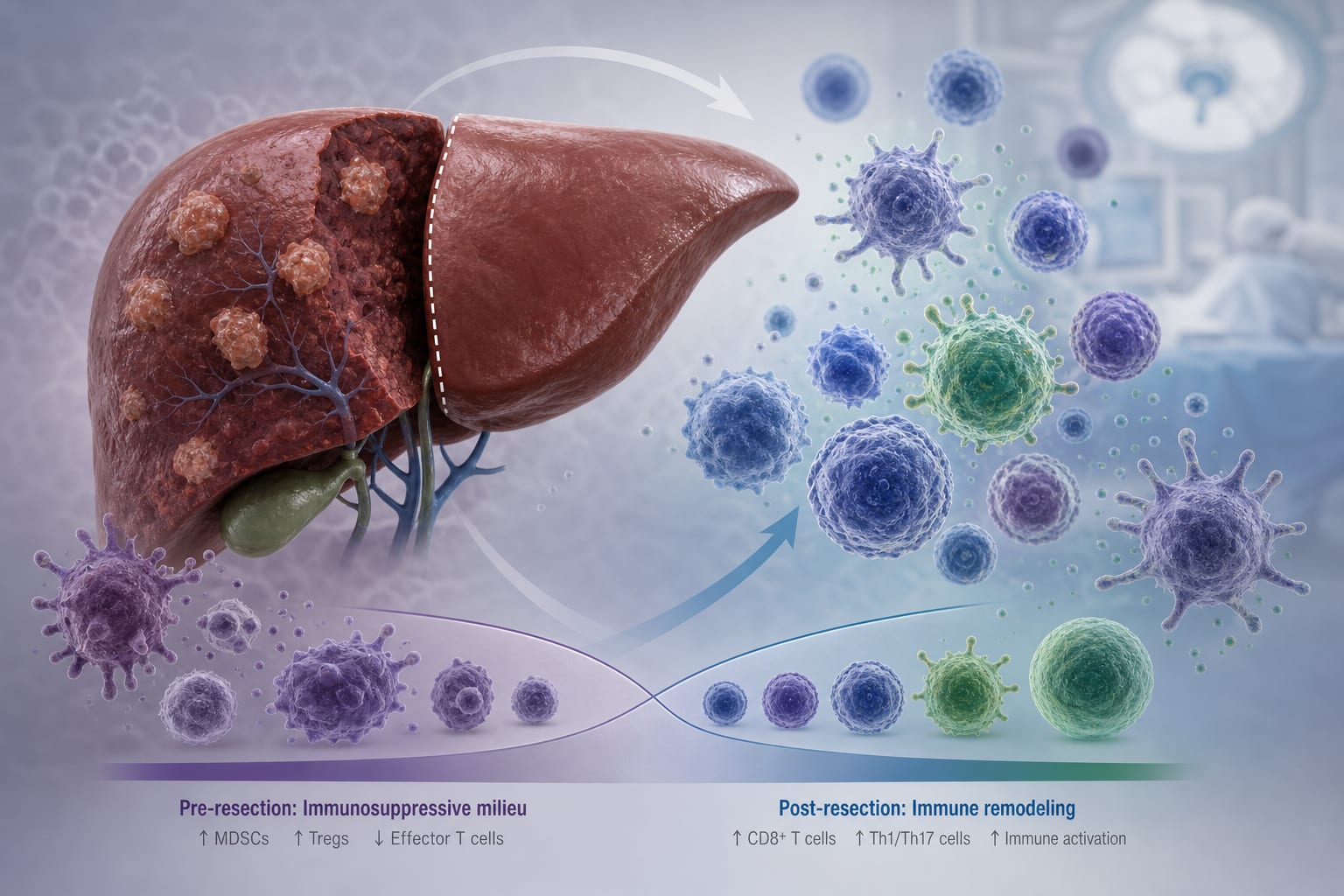
Low-dose cranial irradiation increases the risk of both malignant and benign tumors, particularly meningiomas.
Radiation-induced meningiomas present distinct characteristics such as younger age at diagnosis and higher recurrence rates compared to sporadic meningiomas.
Visual function outcomes in patients with radiation-induced meningiomas have not been systematically compared to those in radiation-naïve patients.
Interpretation:
Limitations:
The study is retrospective and may have biases related to data collection.
Exclusion criteria may limit the generalizability of the findings.
Conclusion:
The study aims to fill the gap in knowledge regarding the impact of radiation-induced meningiomas on visual function.