Steroid-related mechanisms in ocular health and disease: therapeutic effects, adverse events, and stress-related modulators. A narrative literature overview - Summary - MDSpire
Conexiant’s news site is now MDSpire News. Learn more
Advertisement
Mechanisms of Steroid Impact on Eye Health and Disease: Therapeutic Benefits, Side Effects, and Stress-Related Influencers - A Comprehensive Literature Review
To critically synthesize current clinical and translational evidence on the interaction between stress-related endocrine responses and glucocorticoid therapy in ophthalmology.
Approach:
Literature Search: A structured literature search was conducted using PubMed, Scopus, and Web of Science to identify peer-reviewed studies published between January 2013 and May 2025, resulting in 35 studies included in the final synthesis.
Key Findings:
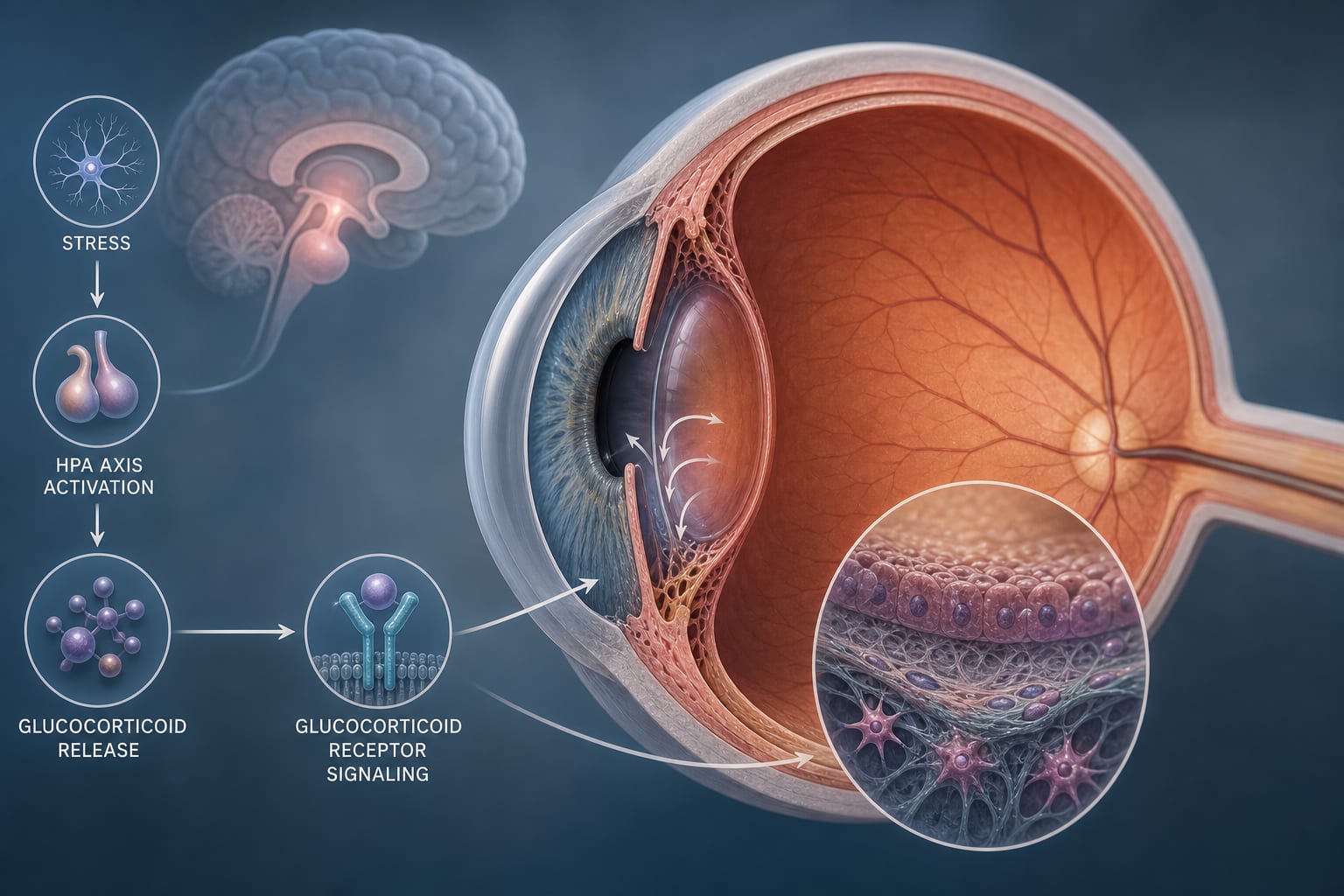
Activation of the HPA axis and sympathetic nervous system influences ocular homeostasis, including intraocular pressure regulation, inflammatory signaling, vascular permeability, and neurodegenerative pathways.
Stress-related neuroendocrine dysregulation is associated with ocular disorders such as glaucoma, ocular surface disease, and central serous chorioretinopathy.
Glucocorticoids are essential for managing inflammatory ocular diseases but can lead to adverse effects like ocular hypertension and cataract formation.
Emerging concepts include chronobiology and advanced corticosteroid delivery systems aimed at optimizing treatment efficacy while minimizing treatment-related complications.
Interpretation:
The findings support an integrated model of ocular disease susceptibility influenced by neuroendocrine, inflammatory, vascular, and psychosocial factors.
Limitations:
Existing evidence is fragmented across experimental, clinical, and translational studies, limiting direct comparison and generalizability.
Current data largely derive from observational cohorts and preclinical models.
Conclusion:
Greater recognition of stress as a modifiable contributor to ocular health may facilitate the development of more individualized and multidisciplinary approaches to ophthalmic care.