Acute glucose stimulation drives coordinated translational reprogramming in primary pancreatic islets: from global remodeling to fine-tuned insulin synthesis - Summary - MDSpire
Advertisement
Acute glucose stimulation drives coordinated translational reprogramming in primary pancreatic islets: from global remodeling to fine-tuned insulin synthesis
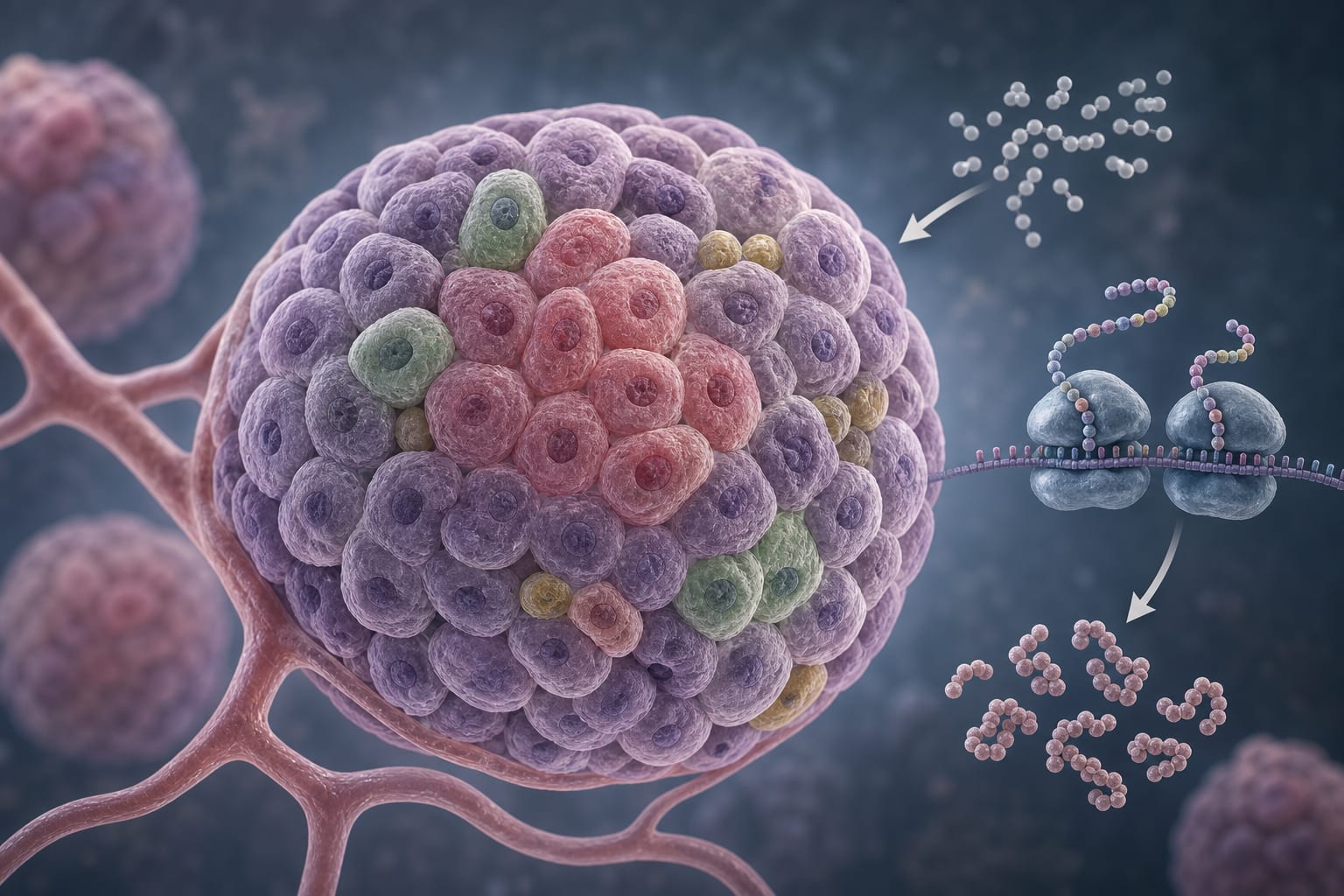
To characterize the translational dynamics of pancreatic beta cells under acute glucose exposure and identify glucose-responsive genes at the translational level, which is crucial for understanding insulin production mechanisms.
High glucose upregulated immediate early genes (e.g., Fos, Nr4a1) while inhibiting stress-related genes (e.g., Ddit3, Trib3).
Beta cells prioritized the synthesis of cytosolic ribosomal proteins and elongation factors to enhance biosynthetic capacity.
Despite suppression of mitochondrial biogenesis genes, there was a translational upregulation of mitochondrial enzymes.
TE analysis revealed regulation of several genes independent of mRNA levels, highlighting complex translational control.
Interpretation:
The translatome serves as a dynamic regulator of the glucose response, revealing rapid translational nodes that could be targeted to restore insulin synthetic capacity and secretory function in T2DM, emphasizing the potential for therapeutic interventions.
Limitations:
The study was conducted in primary mouse islets, which may not fully replicate human physiology, potentially limiting the applicability of the findings.
The translational dynamics were assessed only under acute glucose conditions, which may not reflect chronic exposure scenarios.
Conclusion:
The findings provide a mechanistic framework for developing therapies aimed at preserving β-cell proteostasis.
A pharmacovigilance analysis of FDA adverse event reports finds the strongest ischemic optic neuropathy reporting signal with high-dose semaglutide formulations, with higher adjusted odds reported in men.
A retrospective database study found a low absolute incidence but higher relative hazard of ischemic optic neuropathy following semaglutide initiation.