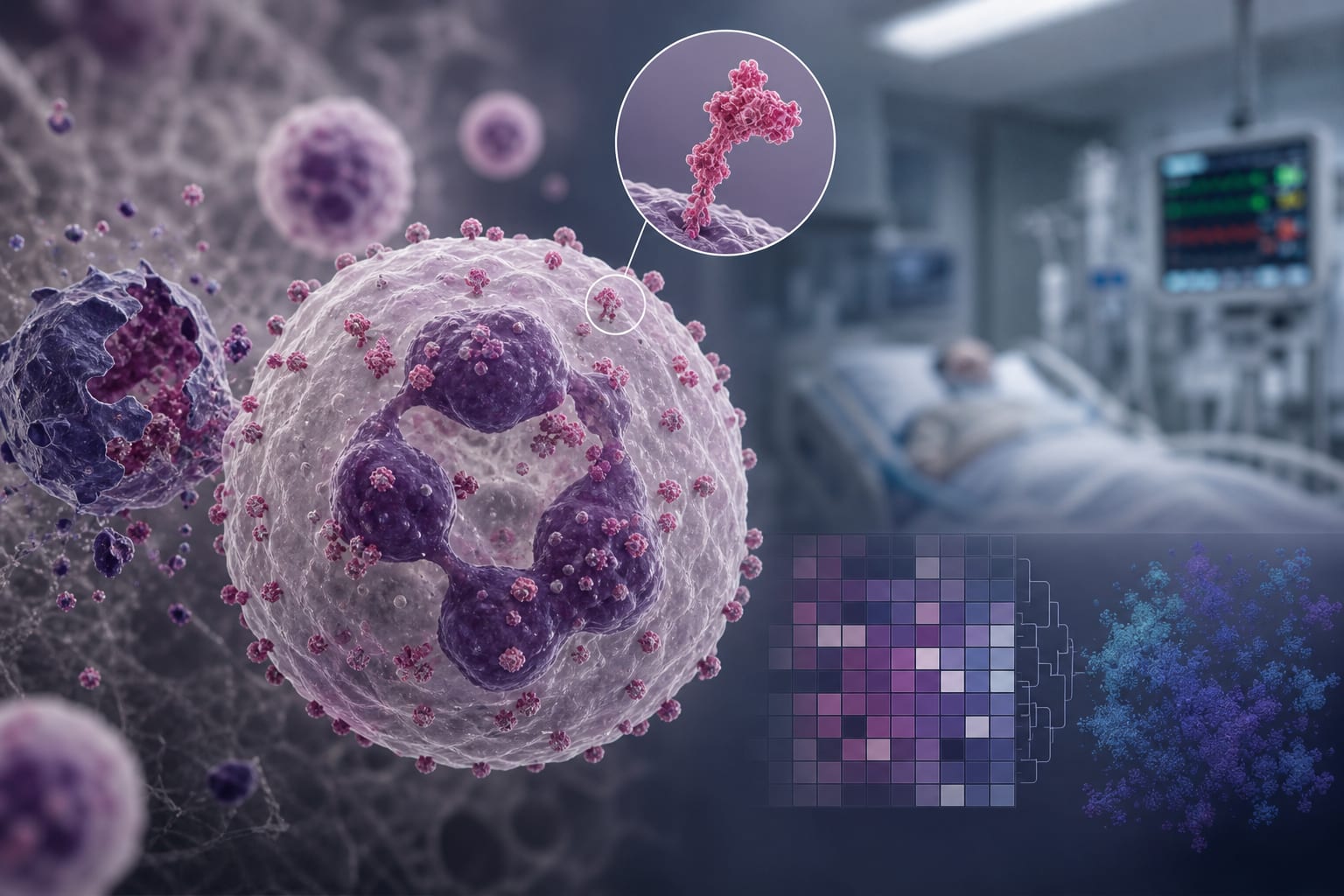
To quantify the HIV-1 DNA reservoir in rectal and adipose tissues and characterize the host transcriptomic landscape associated with viral persistence in ART-treated individuals.
Approach:
HIV-1 DNA Quantification: Used droplet digital PCR (ddPCR) to quantify HIV-1 DNA in rectal and adipose tissues paired with matched PBMCs.
Transcriptomic Profiling: Performed RNA-seq to analyze host transcriptomic responses, integrating an external healthy human tissue dataset for background filtering.
Validation: Validated key differentially expressed signatures and enriched pathways using RT-qPCR and Western blot.
Key Findings:
Higher viral DNA loads were found in rectal and adipose tissues compared to matched PBMCs.
Rectal reservoirs showed ECM reorganization and epithelial barrier dysfunction, while SAT exhibited dysregulation in cell cycle progression and immunometabolic signaling.
The PI3K-Akt signaling pathway was identified as a common feature across both tissue types.
Interpretation:
Persistent viral sequestration is associated with distinct microenvironmental alterations in rectal and adipose tissues.
Limitations:
The study relies on a limited number of ART-treated individuals, which may affect the generalizability of the findings.
The integration of external datasets may introduce biases in background filtering.
Conclusion:
The study provides insights into the tissue-specific transcriptomic remodeling in HIV-1 reservoirs, suggesting that these alterations could inform future therapeutic strategies.