Insights into the mechanism of intestinal flora imbalance and immune disorder in co-morbidity of pneumonia and diarrhea in children - Summary - MDSpire
Advertisement
Insights into the mechanism of intestinal flora imbalance and immune disorder in co-morbidity of pneumonia and diarrhea in children
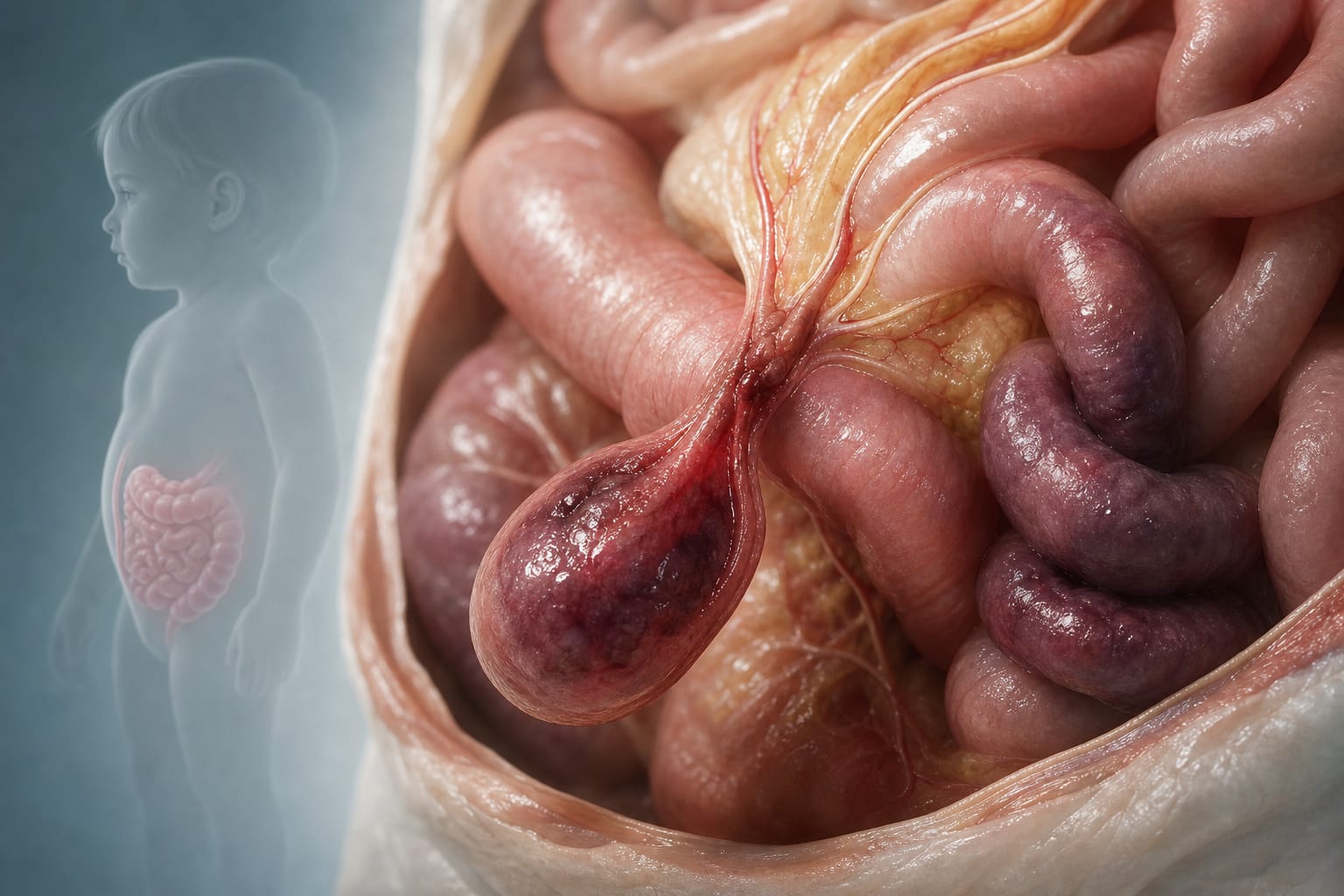
To review the characteristics of gut microbiota dysbiosis and immune disorders in pediatric pneumonia-diarrhea comorbidity, emphasizing its significance for improving pediatric health outcomes.
Approach:
Key Findings:
High incidence of secondary diarrhea in children hospitalized with pneumonia, prolonging hospital stays by an average of X days.
Children with comorbidity exhibit significant gut microbiota dysbiosis, including a reduction of Bifidobacterium by X% and an increase of Escherichia coli by Y%.
Gut microbiota dysbiosis leads to immune disorders through mechanisms such as reduced short-chain fatty acids and Th1/Th2 imbalance, impacting immune response.
Supplementation with microecological preparations like Saccharomyces boulardii can shorten hospital stays by X days and improve immune function as evidenced by Y% increase in immunoglobulin levels.
Interpretation:
The gut-lung axis provides a framework for understanding the comorbidity of pneumonia and diarrhea in children, highlighting the critical role of gut microbiota in immune regulation and potential therapeutic interventions.
Limitations:
Need for further research using metagenomic approaches and longitudinal studies to clarify specific bacterial roles, particularly focusing on X and Y species.
Conclusion:
Understanding the gut-lung axis may lead to new strategies for the prevention and treatment of pediatric pneumonia-diarrhea comorbidity, potentially improving clinical outcomes.