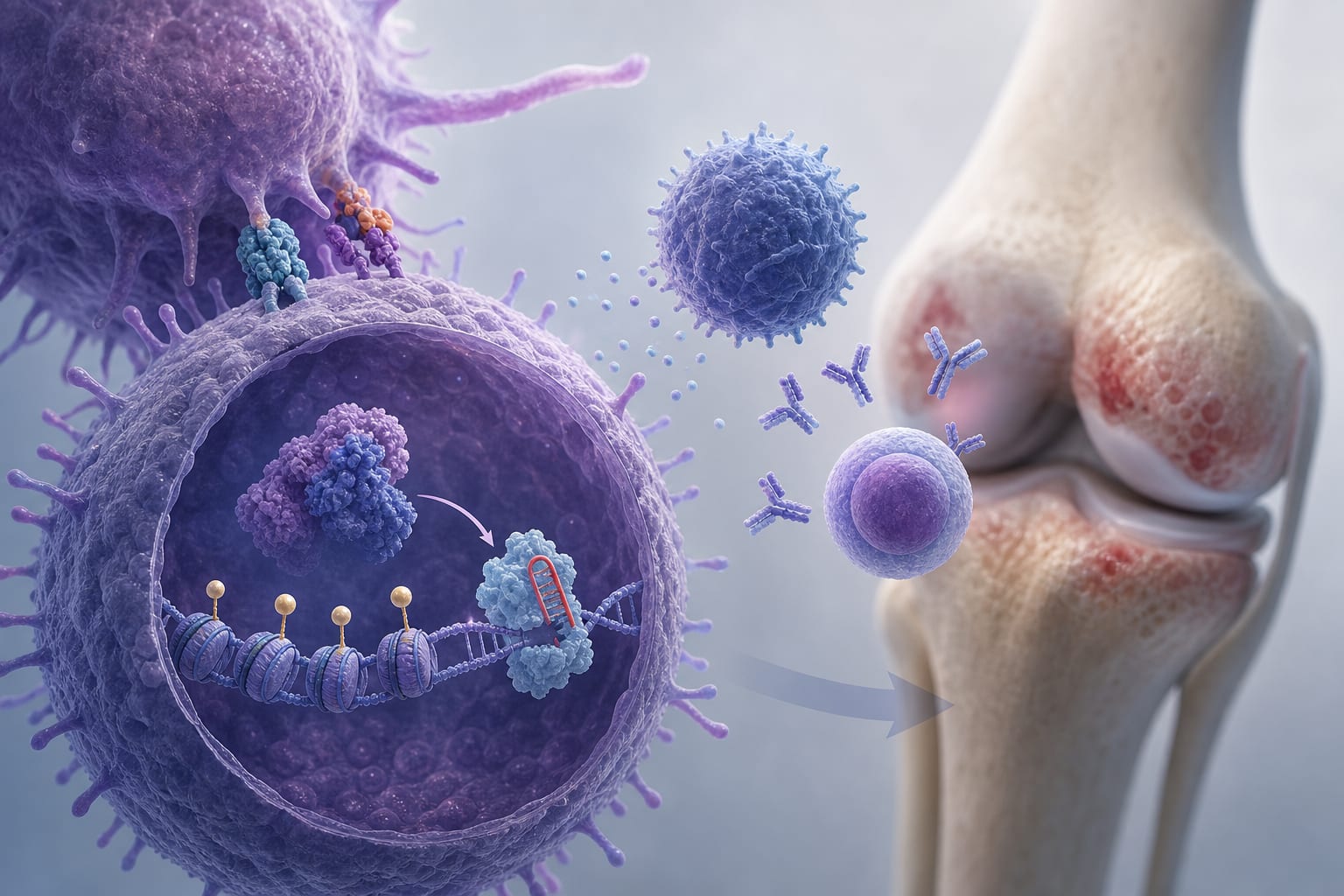
To characterize transcriptomic profiles of RA-ILD lung tissue using single-cell RNA sequencing and understand the role of macrophage and fibroblast subpopulations in RA-ILD and its relationship to IPF.
Approach:
Sample Processing: Fresh lung tissue samples from RA-ILD patients and controls were processed using poly(A) capture–based scRNA-seq, while archived specimens were analyzed using Flex scRNA-seq, allowing for comparative analysis of different sample types.
Key Findings:
RA-ILD is associated with significant morbidity and mortality, rivaling cardiovascular disease.
Up to 30% of RA patients exhibit subclinical ILD without significant symptoms.
Machine learning tools identified protein mediators that distinguish RA-ILD from RA without ILD.
A composite biomarker profile linked to IPF was elevated in some individuals with subclinical RA-ILD.
A systematic review found Janus kinase inhibitor monotherapy improved outcomes vs methotrexate or placebo, but direct comparisons with combination therapy were limited.