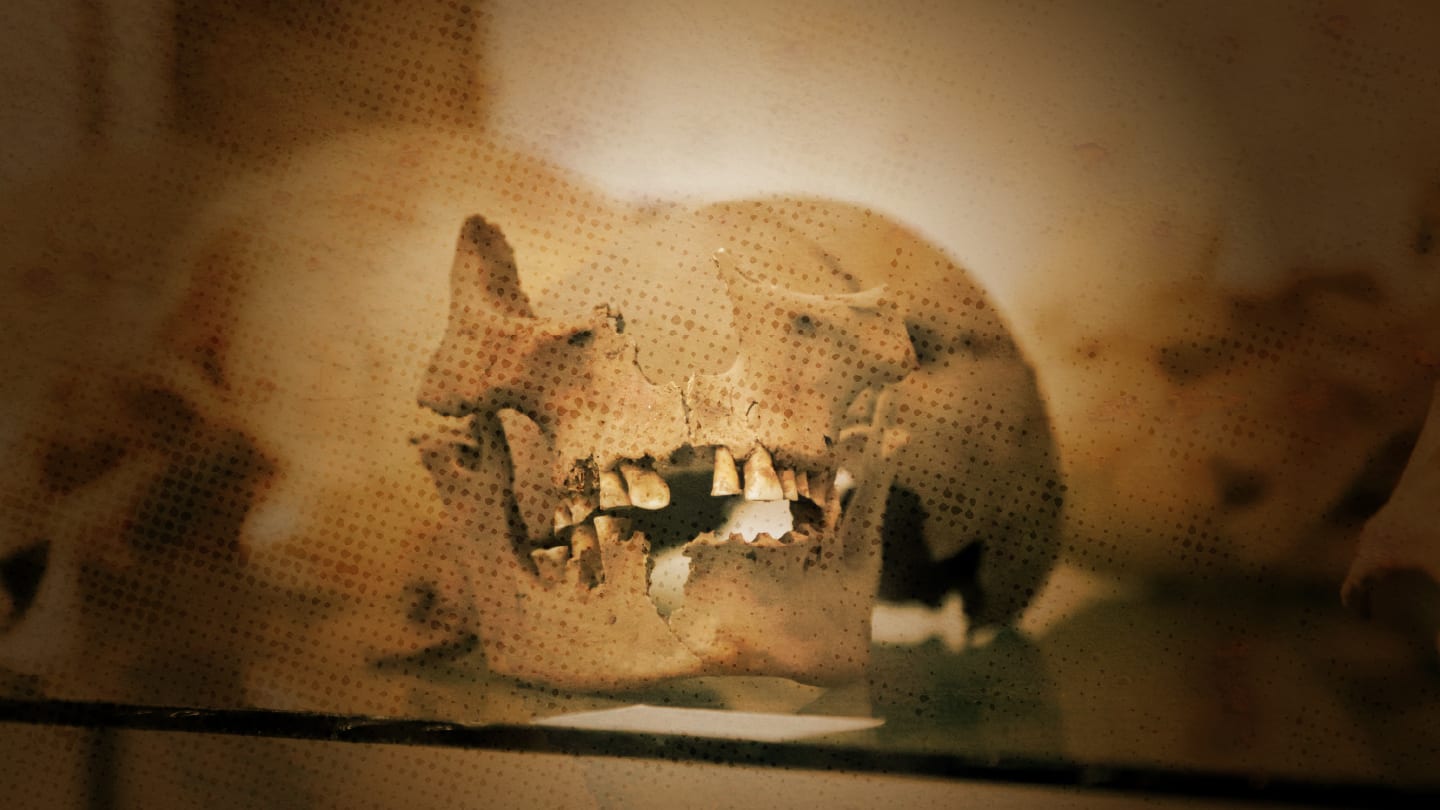
What Medieval Bones Reveal
Tuberculosis and leprosy left skeletal traces – but not distinct burial patterns
Objective:
To analyze the relationship between burial location, social status, and evidence of infectious diseases in medieval Danish cemeteries.
Key Findings:
- Burial location was more closely associated with social status than with infectious disease evidence.
- No consistent clustering of individuals with leprosy or tuberculosis was found in burial sites.
- Leprosy-affected individuals were largely absent from urban parish cemeteries.
- Tuberculosis was present in both urban and rural populations without differential burial treatment.
- Higher-status individuals were buried closer to church structures.
Interpretation:
The study suggests that social and institutional factors had a greater influence on burial practices than infectious disease status.
Limitations:
- The study may not account for all factors influencing burial practices.
- Limited to skeletal evidence, which may not capture the full spectrum of disease impact.
Conclusion:
Infectious disease status did not dictate burial practices; instead, social status played a more significant role.