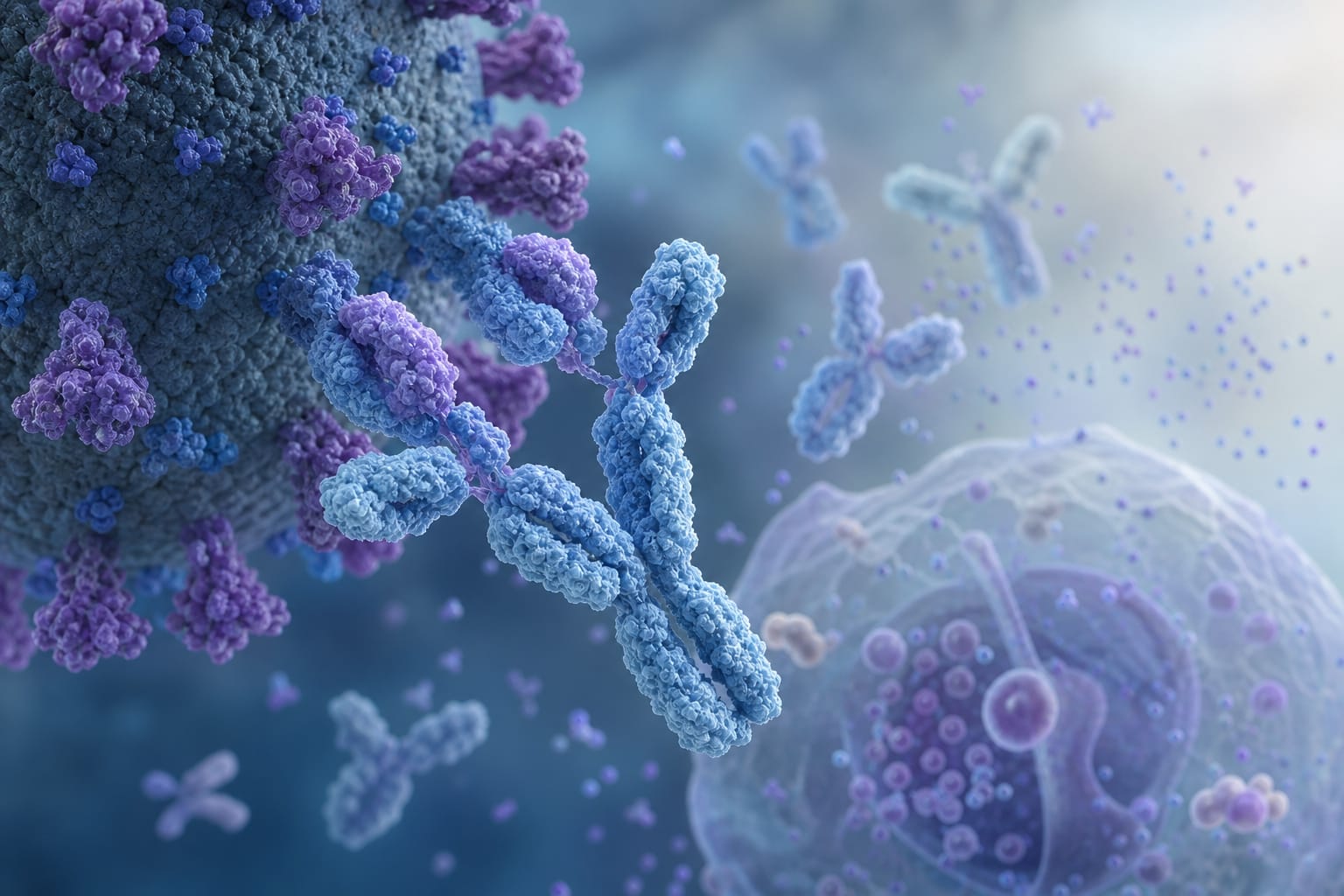
To evaluate the therapeutic potential and mechanism of action of the JinHuangJieDu (JHJD) formula against SARS-CoV-2, highlighting its relevance in current treatment strategies.
Key Findings:
JHJD effectively blocked wildtype and Omicron RBD binding to ACE2, suggesting its potential as a therapeutic agent.
Inhibition of pseudovirus infection was observed, indicating a direct antiviral effect.
Network analyses identified 375 ingredients, 338 targets, and 63 significant pathways, providing a comprehensive overview of JHJD's action.
CCND1 and HIF1A were identified as pivotal genes, linking JHJD's effects to critical biological processes.
JHJD targets HIF-1α to attenuate inflammation, which may improve patient outcomes.
Interpretation:
JHJD demonstrates dual mechanisms of action by disrupting the RBD-ACE2 interaction and modulating inflammation, making it a promising therapeutic candidate for COVID-19, particularly in light of emerging variants.
Limitations:
The study primarily focused on in vitro assessments; clinical efficacy remains to be established, necessitating further clinical trials.
Further studies are needed to explore the long-term effects and safety of JHJD, which are crucial for its potential use in clinical settings.
Conclusion:
JHJD is a novel TCM formula that shows potential in inhibiting SARS-CoV-2 entry and alleviating inflammation, particularly effective against Omicron variants, warranting further investigation in clinical trials.
Nearly 90% of patients who met algorithmic criteria for postacute sequelae of SARS-CoV-2 infection had at least 1 chronic or potentially chronic condition requiring ongoing clinical management.