Silent refractoriness in epilepsy care: cross-sectoral analysis of prescribing patterns, referrals and workforce capacity in Saxony - Summary - MDSpire
Advertisement
Unrecognized Challenges in Epilepsy Management: A Cross-Sector Analysis of Prescription Trends, Referral Practices, and Workforce Availability in Saxony
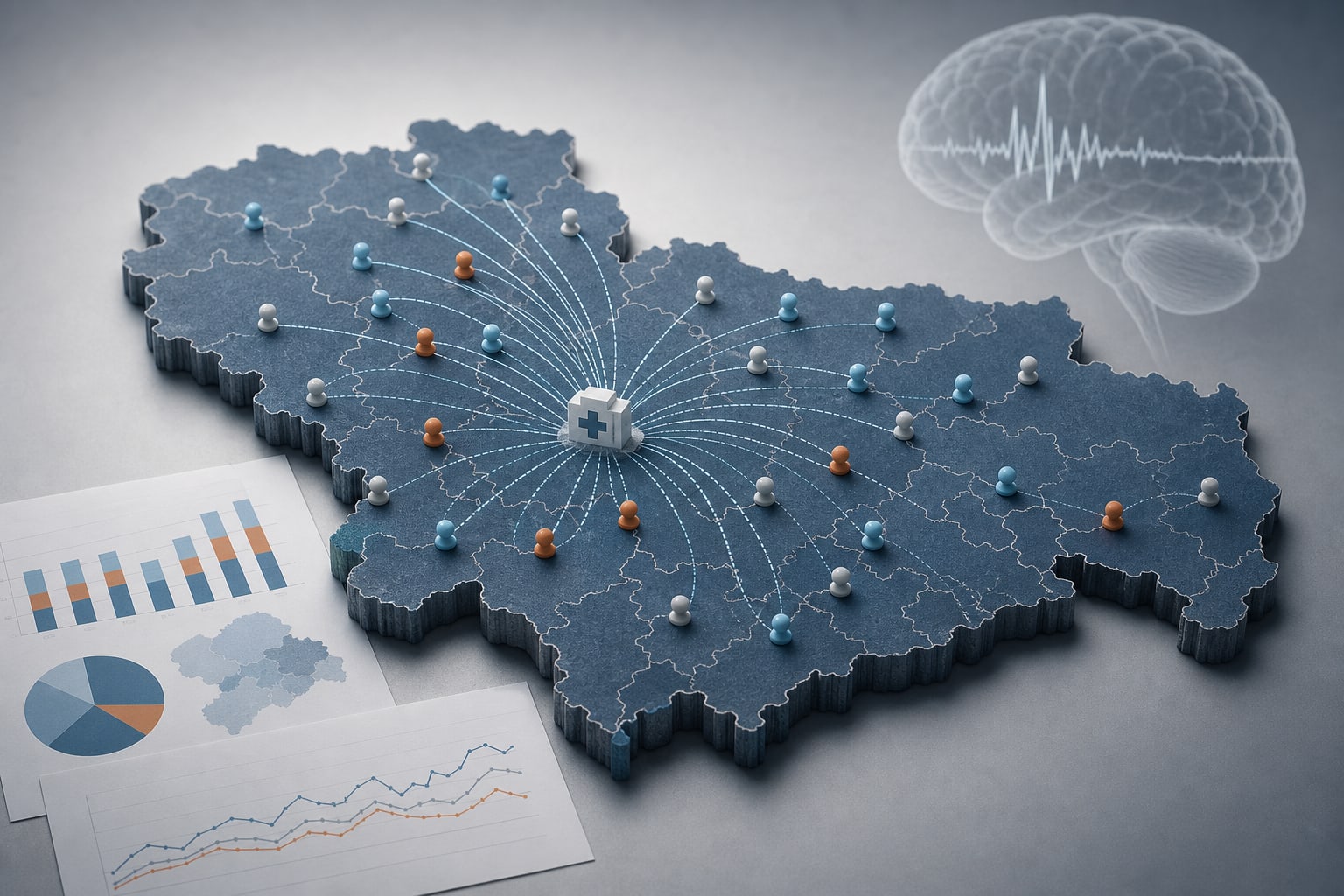
To evaluate structural disparities in prescribing patterns, referral behavior, and workforce distribution in Saxony, a federal state with above-average epilepsy prevalence and treatment intensity.
Approach:
Data Sources: Integrated IQVIA LRx® prescription data, Disease Analyzer prevalence estimates, and anonymized outpatient referral data from the DGfE-certified epilepsy center.
Assessment Method: Utilization assessed using Days of Therapy (DOT), focusing on levetiracetam as a proxy for focal epilepsy care.
Workforce Distribution: Estimated using Bundesärztekammer data.
Expert Panel Contextualization: Findings contextualized through a multidisciplinary expert panel.
Key Findings:
Approximately 36% of patients met a pharmacological proxy for drug resistance, but only a minority accessed specialized care.
Prescribing patterns showed a preference for levetiracetam across all sectors, with regional variations in the levetiracetam to lamotrigine ratios.
Adoption of newer antiseizure medications was concentrated in specialized hubs.
Referral activity was uneven, with minimal connectivity to formal escalation pathways in several regions.
Interpretation:
Epilepsy care in Saxony is characterized by challenges in managing therapy-resistant patients, who often remain in decentralized care without systematic progression to specialized evaluation.
Limitations:
The study may not capture all factors influencing referral practices and prescribing patterns.
Regional variations may not be fully representative of broader trends across Germany.
Conclusion:
Identified gaps highlight the need for standardized referral criteria, strengthened cross-sectoral networks, and regional accountability mechanisms.
by Thomas Mayer, Johannes Lemke, Felix Von Podewils, Brigitte Scheid, Torsten Kraya, Susanne Hallmeyer-Elgner, Joseph Classen, Karel Kostev, Sonya C. Faber, Adam Strzelczyk