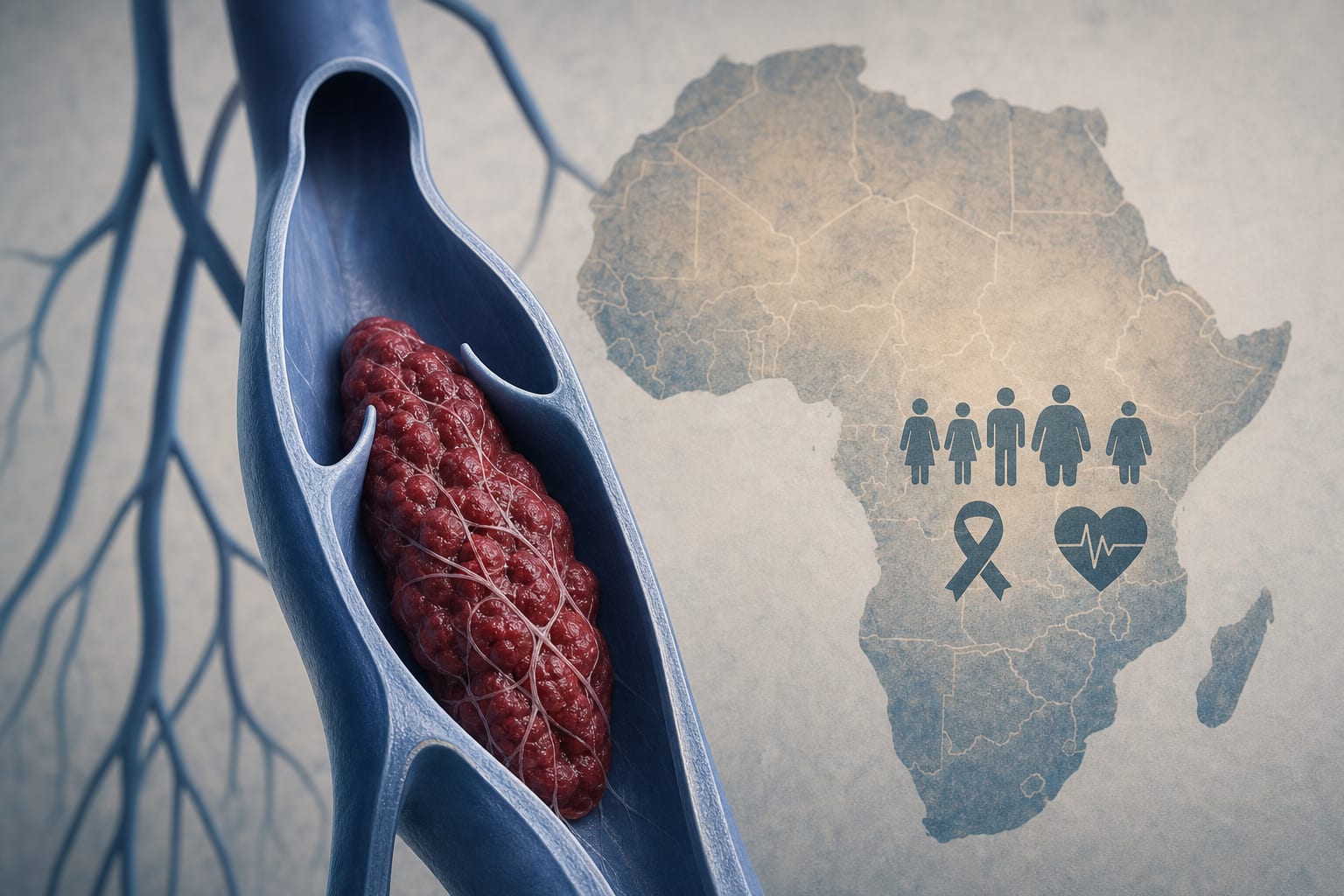
To highlight the significance of deep vein thrombosis (DVT) as a public health issue in Africa and outline the WHO's strategy for addressing it by 2030.
Approach:
Epidemiological Surveillance: Enhancing epidemiological surveillance to better understand the burden of DVT.
Awareness and Education: Increasing healthcare provider and community awareness about DVT.
Diagnostic Capacity: Strengthening diagnostic capacity for timely identification of DVT.
DVT is a significant public health concern in Africa, exacerbated by rising risk factors such as obesity, HIV infection, and sedentary lifestyles.
Limited awareness and diagnostic challenges contribute to suboptimal prevention and management of DVT.
The WHO has prioritized DVT control as part of its 2030 health strategy for Africa, emphasizing integration into non-communicable disease and cardiovascular health programs.
Interpretation:
Addressing DVT requires a coordinated, multisectoral approach that incorporates capacity building, resource mobilization, and policy reforms aligned with WHO's vision.
Limitations:
Inadequate infrastructure and limited access to anticoagulant therapies hinder effective DVT control.
Sociocultural barriers affect awareness and management of DVT.
Conclusion:
Elevating DVT as a public health priority can improve early detection, prevention, and management of venous thromboembolism in Africa.