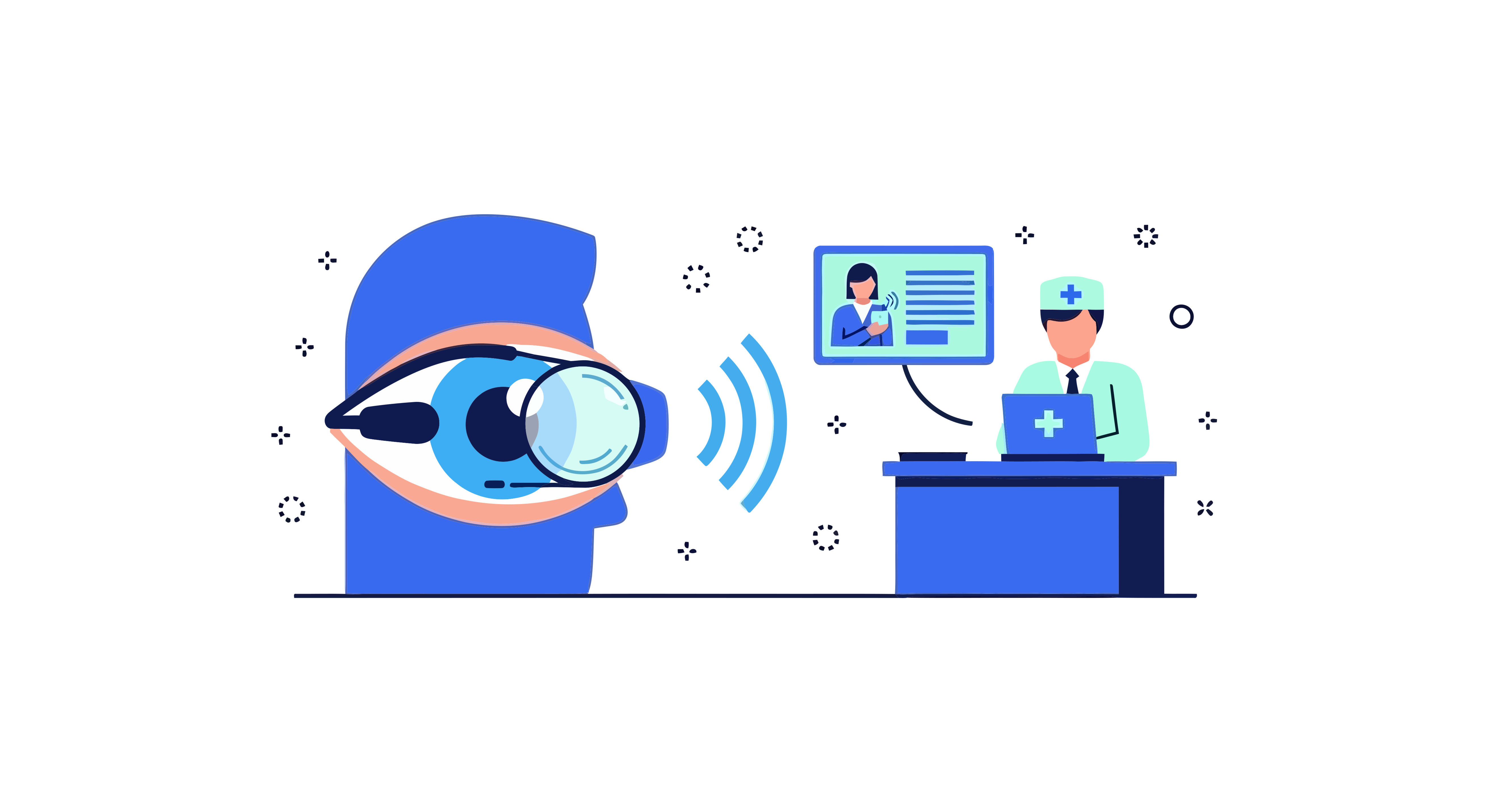
To explore the role of telehealth in the diagnosis and treatment of dry eye disease (DED).
Approach:
Patient Care Insights: Discusses patient delays in seeking care and the potential of telehealth platforms for managing DED.
Telehealth Implementation: Describes a direct-to-consumer telehealth platform for DED that includes an online symptom questionnaire and home delivery of treatment.
Assessment Tools: Highlights the importance of validated questionnaires like the Ocular Surface Disease Index (OSDI) for remote assessments.
Hybrid Care Model: Proposes a hybrid model combining telehealth visits with in-person exams for comprehensive care.
Key Findings:
Approximately 16 million Americans are affected by dry eye disease.
Many patients delay seeking care, with significant numbers experiencing symptoms for years.
Teleoptometry is effective for managing diagnosed patients and monitoring treatment compliance.
A complete dry eye workup requires in-person exams and specialized equipment.
Interpretation:
Telehealth can enhance access to care and follow-up for DED but is not a substitute for comprehensive in-person evaluations.
Limitations:
Telehealth platforms may have poor image quality, impacting assessment accuracy.
Conditions mimicking dry eye require in-person examinations for proper diagnosis.
Conclusion:
A hybrid model of care is suggested, starting with telehealth for symptom review followed by in-person exams.
Carolina L. Mercado, MD, and colleagues presented data from the American Academy of Ophthalmology IRIS (Intelligent Research in Sight) Registry linked to pharmacy claims data sourced from the Komodo Health Research Dataset.