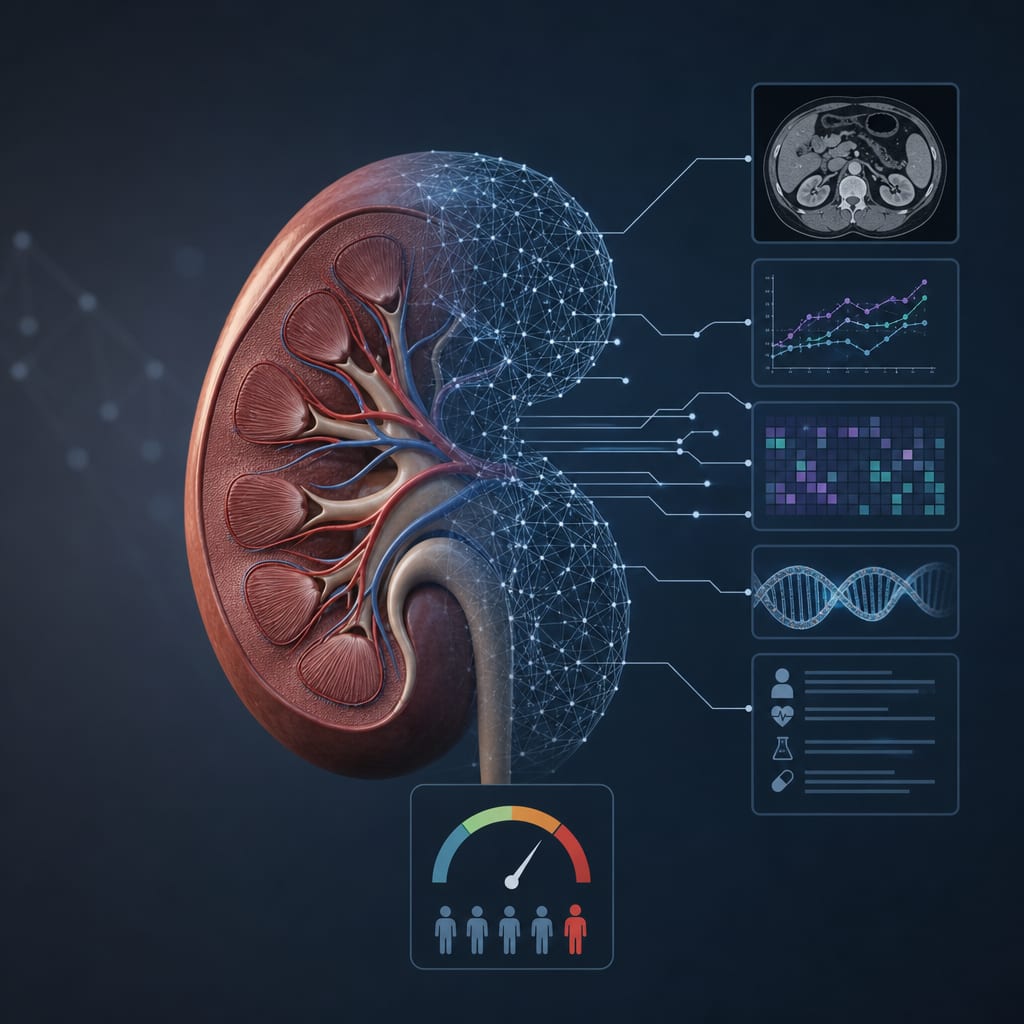
To discuss the current state and future prospects of structured reporting in radiology, emphasizing its potential to improve radiological practices.
Key Findings:
Structured reporting has not achieved widespread adoption despite its recognized benefits and requires actionable insights.
Many national societies are independently working on structured reporting templates, indicating a fragmented approach.
Incentives and resources are necessary to encourage adoption of structured reporting, particularly during the transition phase.
LLMs may provide solutions to transition challenges but introduce new risks that need to be addressed.
Interpretation:
The paper suggests that while structured reporting is beneficial, significant barriers remain, and technological advancements like LLMs could play a crucial role in overcoming these challenges, linking directly to the key findings.
Limitations:
The paper does not provide specific data on the current adoption rates of structured reporting.
Potential biases and economic disparities in implementing AI solutions are not fully explored.
The analysis lacks diverse perspectives on the challenges and benefits of structured reporting.
Conclusion:
Structured reporting is still evolving, and strong incentives are needed to encourage its adoption and maximize the value of radiological data in future healthcare advancements.