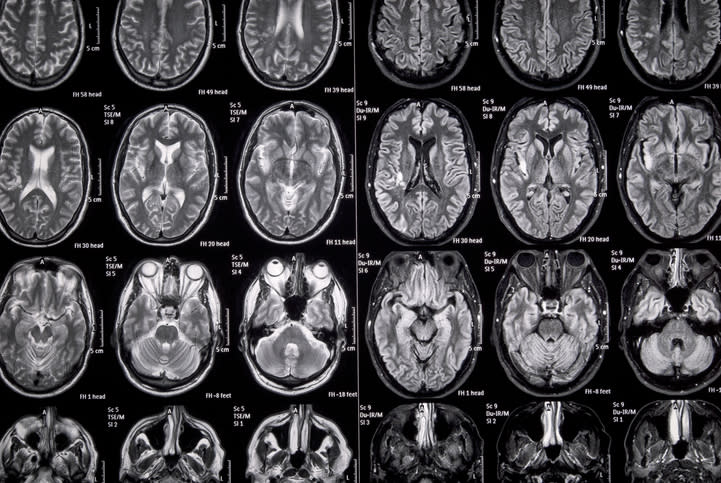
To investigate the role of the IL-17 signaling pathway in the systemic inflammatory response and multi-organ dysfunction following cardiac arrest and resuscitation, highlighting its significance in post-cardiac arrest syndrome.
Key Findings:
IL-17 signaling pathway was early activated post-resuscitation, correlating with myocardial dysfunction and brain injury (P < 0.05).
Elevated plasma IL-17A levels were found in patients post-cardiac arrest compared to controls (P < 0.05).
Inhibition of IL-17A significantly improved left ventricular ejection fraction, reduced neuronal apoptosis, and enhanced survival rates in animal models (P < 0.05).
Interpretation:
The findings suggest that IL-17A is a critical mediator of systemic inflammation leading to multi-organ dysfunction after cardiac arrest, indicating a potential therapeutic target for improving patient outcomes.
Limitations:
The study primarily utilized animal models, which may not fully replicate human pathophysiology, potentially limiting the applicability of findings.
The sample size of human participants was limited, necessitating further validation in larger cohorts to confirm results.
Conclusion:
Targeting IL-17A may offer a promising strategy for mitigating inflammation-driven multi-organ injury following cardiac arrest, potentially improving patient outcomes.