To compare the effects of remimazolam versus propofol on seizure adequacy during electroconvulsive therapy (ECT).
Approach:
Study Design: Retrospective secondary analysis of a prospective observational cohort, including 859 ECT sessions from 114 patients.
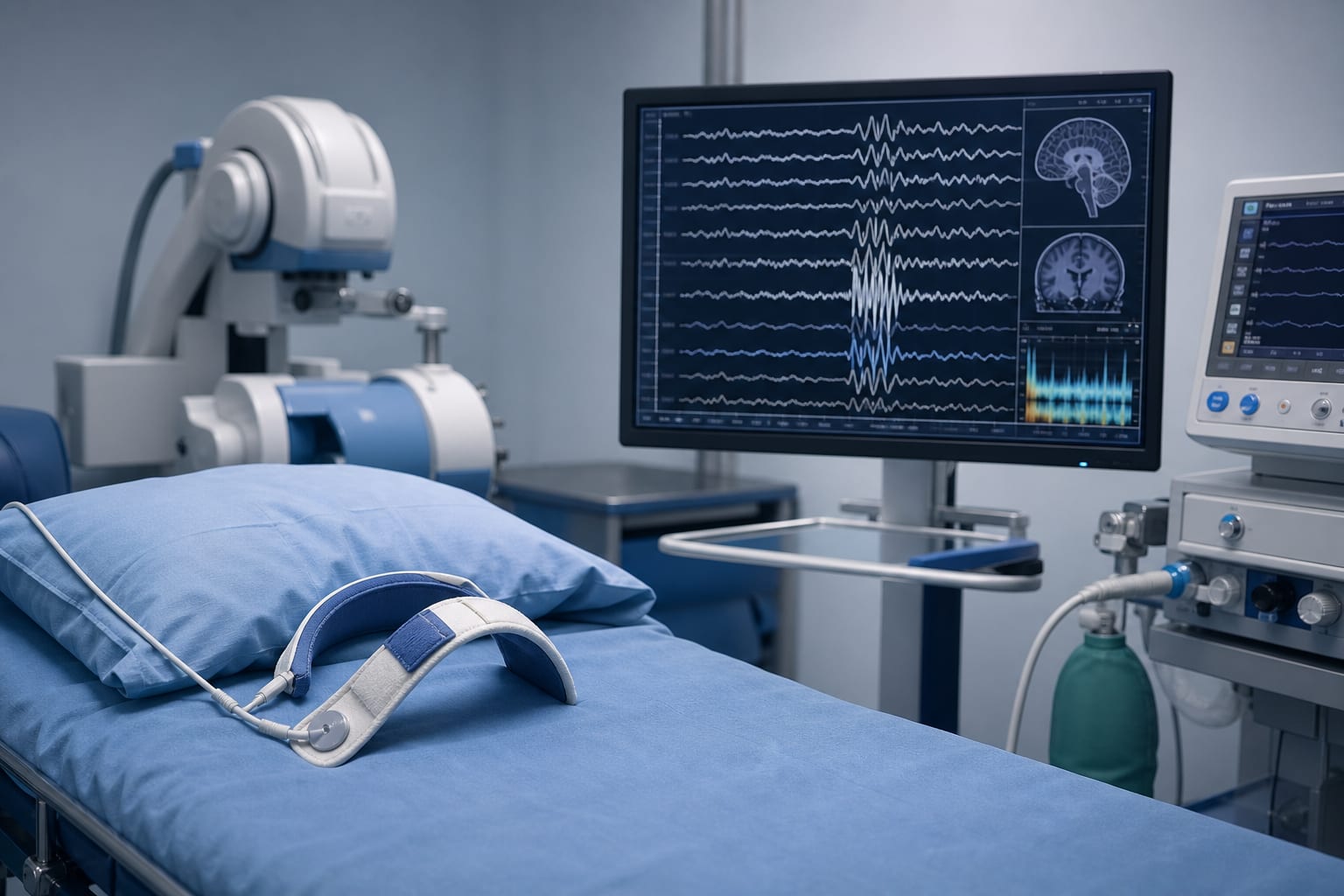
Outcomes: Primary outcome was the rate of adequate seizure (EEG ictal duration ≥15 seconds). Secondary outcomes included EEG seizure duration, post-ictal suppression index (PSI), maximum sustained power (MSP), and average seizure energy index (ASEI).
Statistical Analysis: Stabilized inverse probability of treatment weighting was used to balance baseline covariates, and generalized linear mixed models assessed intergroup differences.
Key Findings:
Remimazolam group had a significantly higher rate of adequate seizures compared to the propofol group (adjusted odds ratio: 12.054, 95% confidence interval: 5.758–25.233, P < 0.001).
Remimazolam also resulted in prolonged EEG seizure duration and elevated MSP.
No significant differences were found in PSI or ASEI between the two groups.
Interpretation:
Remimazolam is associated with improved EEG seizure adequacy and longer seizure duration compared to propofol during ECT.
Limitations:
Retrospective design may introduce bias.
Clinical outcomes related to seizure adequacy were not assessed.
Conclusion:
Remimazolam was associated with a higher rate of EEG seizure adequacy and longer EEG seizure duration.