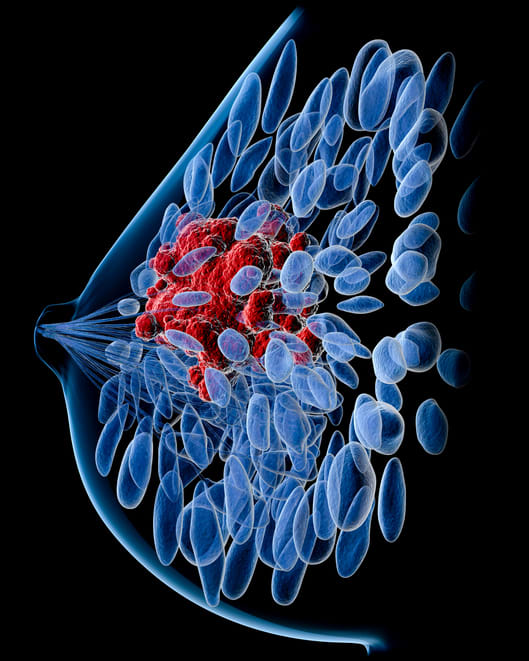
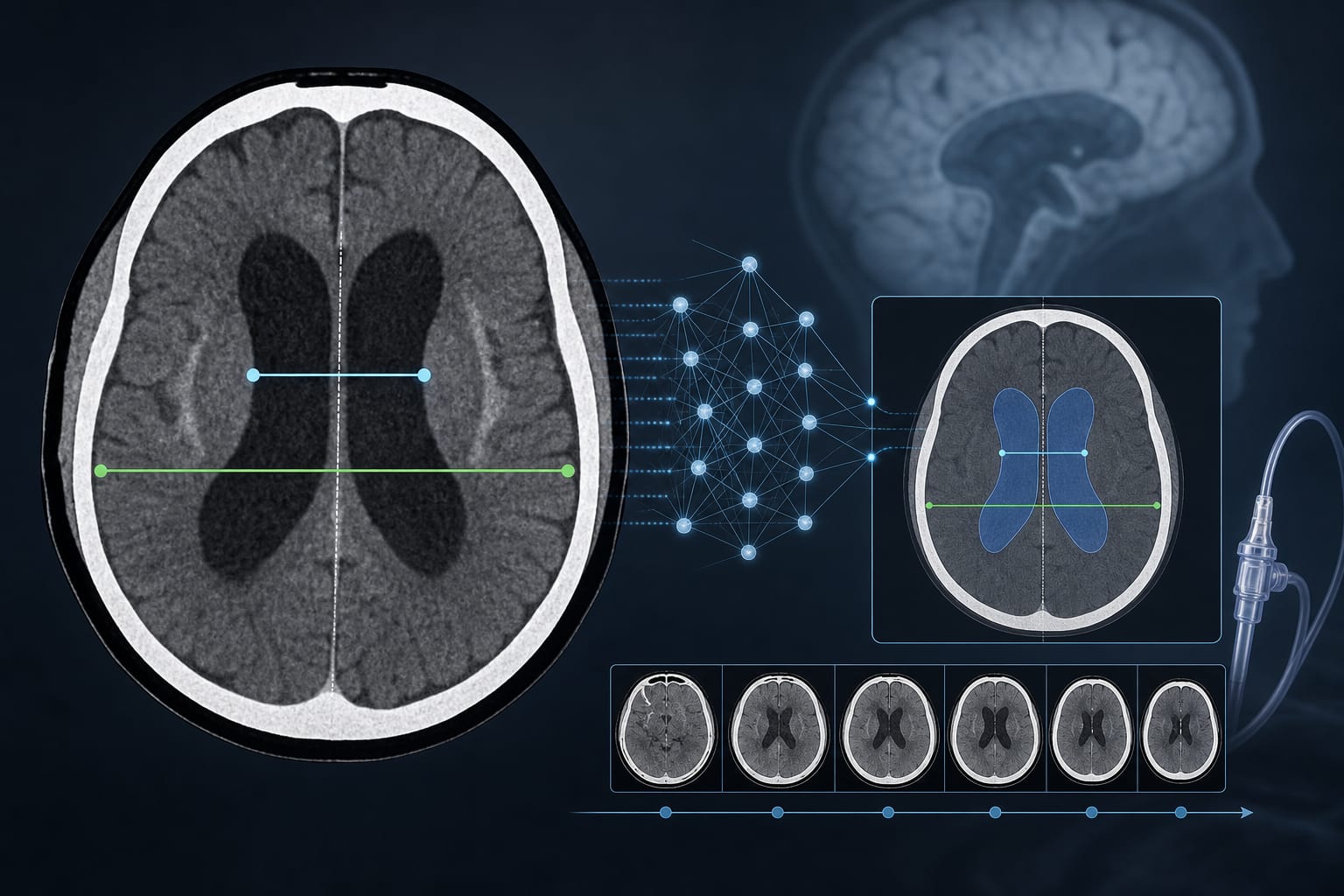
To evaluate the diagnostic accuracy of a clinically interpretable AI model in distinguishing early-stage breast cancer from benign lesions on MRI.
Key Findings:
CBM achieved an AUC of 0.92 ± 0.01 in the test set, comparable to a black-box model with AUC of 0.93 ± 0.01.
In external validation, CBM maintained an AUC of 0.93, overall accuracy of 86%, and precision of 89%.
CBM demonstrated diagnostic accuracy of 89% in distinguishing benign from malignant lesions, outperforming seven of eight radiologists.
Radiologist accuracy improved from 71% to 79% without assistance to 77% to 91% with CBM assistance.
Inter-reader agreement improved, and clinical decision-making was positively affected, with 22% of suspicious benign lesions correctly downgraded.
Interpretation:
The interpretable AI model can achieve high diagnostic performance while aligning with clinical reasoning and workflow, enhancing radiologist accuracy and efficiency.
Limitations:
Retrospective study design and simulated reading setting may not reflect real-world workflows.
Model depends on physician-provided lesion localization and wasn't evaluated for screening use.
External validation was limited, and performance in broader clinical populations remains uncertain.
Potential for misclassification of small or atypical lesions without characteristic imaging features.
Conclusion:
The CBM provides a versatile framework for classifying early breast cancer and benign lesions, with significant implications for improving diagnostic accuracy in clinical practice.
A JAMA Internal Medicine Viewpoint urges clinicians and health systems to verify risk-model inputs before acting on automated breast cancer screening recommendations.