Immune niche-associated and niche-regulated plasticity in glioblastoma: state transitions, immune escape, and therapeutic vulnerabilities - Summary - MDSpire
Advertisement
Immune niche-associated and niche-regulated plasticity in glioblastoma: state transitions, immune escape, and therapeutic vulnerabilities
To discuss the role of the tumor immune microenvironment in influencing glioblastoma (GBM) cell-state transitions and the implications for treatment resistance.
Approach:
Cell-State Framework: Defines cell-state terminology used in single-cell studies, including NPC-like, OPC-like, AC-like, MES-like, stem-like, and stress-adapted states.
Immune Niche Influence: Examines how the immune microenvironment affects GBM cell-state transitions and contributes to tumor heterogeneity.
Therapeutic Challenges: Highlights the complexities of therapy-induced adaptive reprogramming in GBM cells leading to treatment resistance.
Key Findings:
GBM exhibits profound heterogeneity and resistance to therapy, influenced by dynamic interactions with the tumor microenvironment.
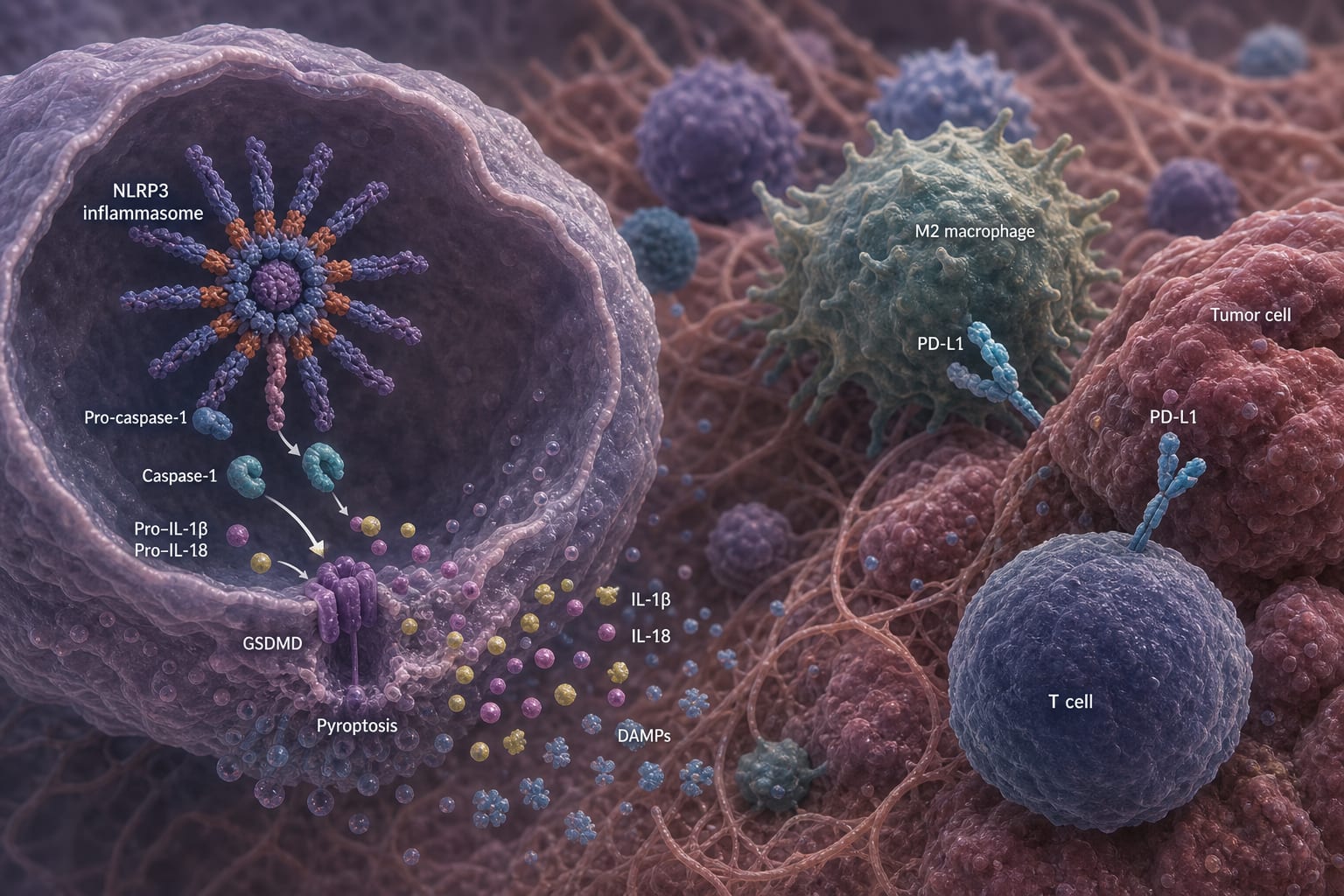
Tumor-associated macrophages and microglia play significant roles in shaping aggressive phenotypes and maintaining immunosuppressive environments.
GBM cells can transition among various states under immune, hypoxic, and therapeutic pressures, complicating treatment outcomes.
Interpretation:
Understanding the reciprocal relationship between GBM cell plasticity and the immune niche may reveal new therapeutic vulnerabilities.
Limitations:
The review focuses primarily on GBM and may not generalize to other gliomas.
The complexity of the immune microenvironment and its influence on tumor behavior may not be fully captured.
Conclusion:
Durable control of GBM may require combinatorial strategies targeting both tumor cell plasticity and the immune niche.