Prevalence of unintended pregnancy and associated factors among women attending antenatal care at a tertiary public health facility in Northern Uganda: a cross-sectional study - Summary - MDSpire
Conexiant’s news site is now MDSpire News. Learn more
Advertisement
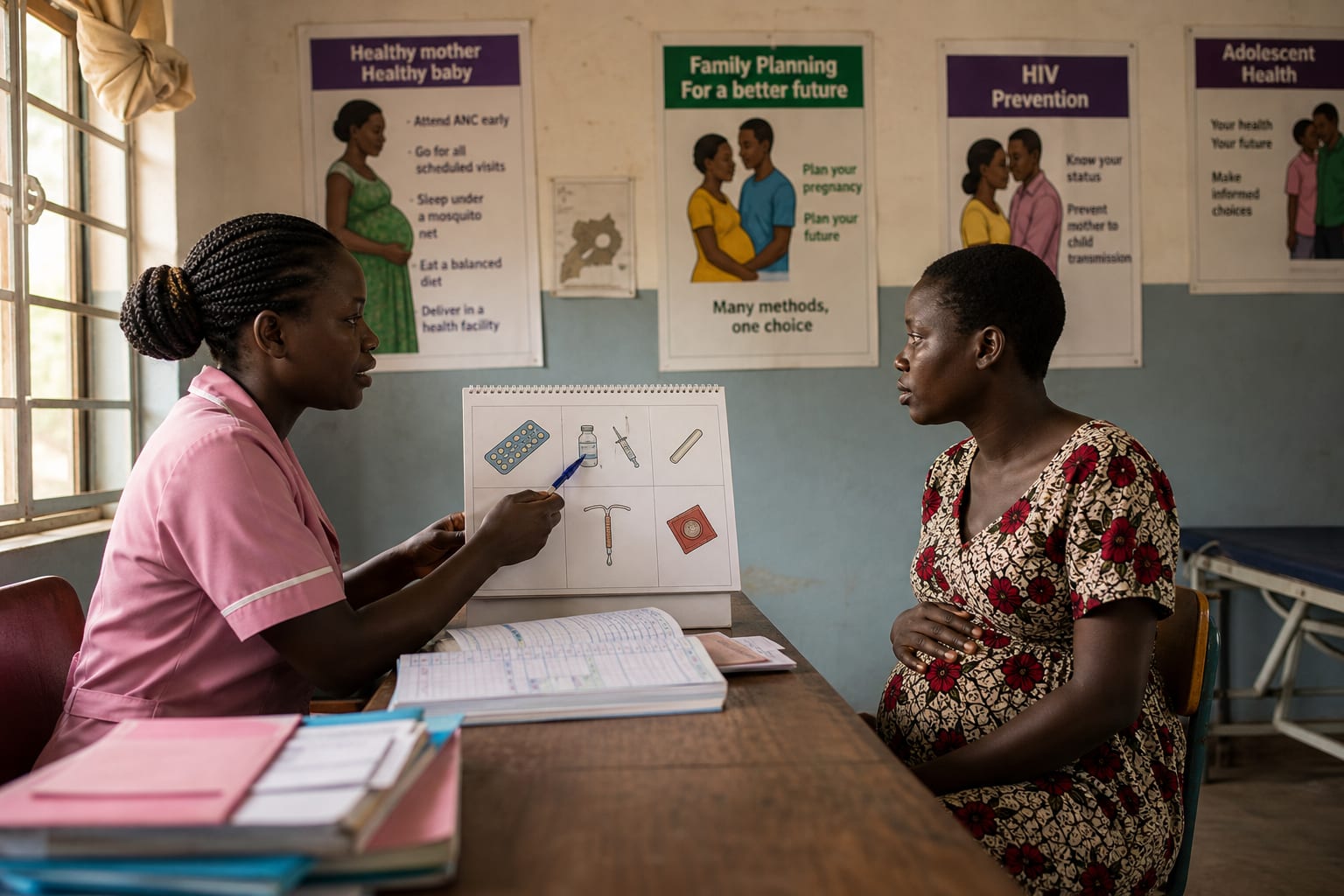
Frequency and Contributing Factors of Unplanned Pregnancies Among Women Receiving Antenatal Care at a Tertiary Public Health Center in Northern Uganda: A Cross-Sectional Analysis
To assess the prevalence and factors associated with unintended pregnancy among women attending antenatal care at Gulu Regional Referral Hospital in Gulu City, Uganda, highlighting its public health significance.
Key Findings:
Unintended pregnancy is a significant public health concern in Uganda, with reported rates between 40% and 70%.
The burden is particularly high among vulnerable groups, including adolescents and women living with HIV, due to factors such as poor contraceptive use and limited reproductive health knowledge.
Interpretation:
The study highlights the need for improved reproductive health services and emphasizes the critical role of male engagement in antenatal care to effectively address unintended pregnancies in Northern Uganda.
Limitations:
The study focuses on a specific population at a single health facility, which may limit generalizability.
Data on male partner involvement in ANC was not extensively analyzed.
Potential biases in self-reported data may affect the accuracy of findings.
Conclusion:
The findings underscore the importance of addressing the determinants of unintended pregnancy, including specific interventions, to improve maternal health outcomes in the region.