Investigational Drug Shows Potentialin Phase 3 Obesity Trial
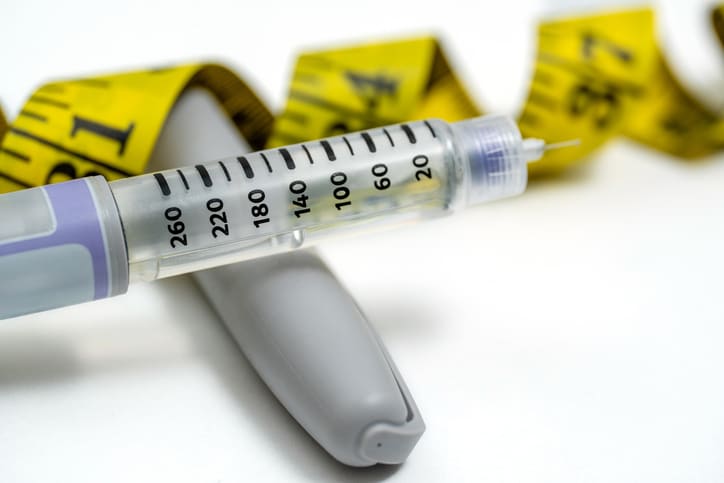
In a 76-week randomized trial, patients with obesity without diabetes who received survodutide achieved greater weight loss and favorable changes in several metabolic measures compared with those who received placebo.
To evaluate the efficacy and safety of once-weekly survodutide in reducing body weight in patients with obesity without diabetes.
Approach:
Key Findings:
Mean body weight decreased by about 12% in the 3.6 mg group and 13% in the 6 mg group compared to over 5% in the placebo group.
73% of patients in the 3.6 mg group and 72% in the 6 mg group achieved at least 5% weight loss, compared to 46% in the placebo group.
Higher proportions of patients in the survodutide groups achieved greater weight loss thresholds: 10% (55% and 57% vs. 26%), 15% (36% and 46% vs. 12%), and 20% (25% and 29% vs. 7%).
Greater reductions in waist circumference and improvements in metabolic measures were observed in the survodutide groups.
Liver fat content decreased by 63% in the 6 mg group compared to 25% in the placebo group.
The safety profile was characterized primarily by adverse gastrointestinal events, with nausea, vomiting, diarrhea, and constipation occurring more frequently among the patients receiving survodutide.
Interpretation:
Once-weekly survodutide led to significantly greater reductions in body weight compared to placebo in adults with obesity, highlighting its potential as a treatment option.
Limitations:
No active comparator was included, limiting direct comparisons with existing obesity medications.
A significant number of patients discontinued treatment before week 76, which may affect the results.
Patients with diabetes, uncontrolled hypertension, recent cardiovascular events, and inadequately controlled mood disorders were excluded.
Weight loss in the placebo group was greater than anticipated.
Conclusion:
The trial demonstrated the potential of survodutide for weight management in patients with obesity.
Pregnant patients who sat less and moved more at light intensity had a lower risk of adverse outcomes in a prospective cohort study, but the findings do not prove causation.
The journal's third 2026 editorial targets a sweeping OMB proposal to overhaul federal grantmaking — even as five researchers, including the Editor-in-Chief, are removed from the ADA's annual meeting.