988 Marks Its Fourth Year Amid Increasing Demand and Evolving Mental Health and Substance Use Challenges
-
By
-
Heather Saunders
-
July 14, 2026
Objective:
To evaluate the impact and challenges of the 988 crisis hotline as it enters its fourth year of operation, including demand trends and funding issues.
Approach:
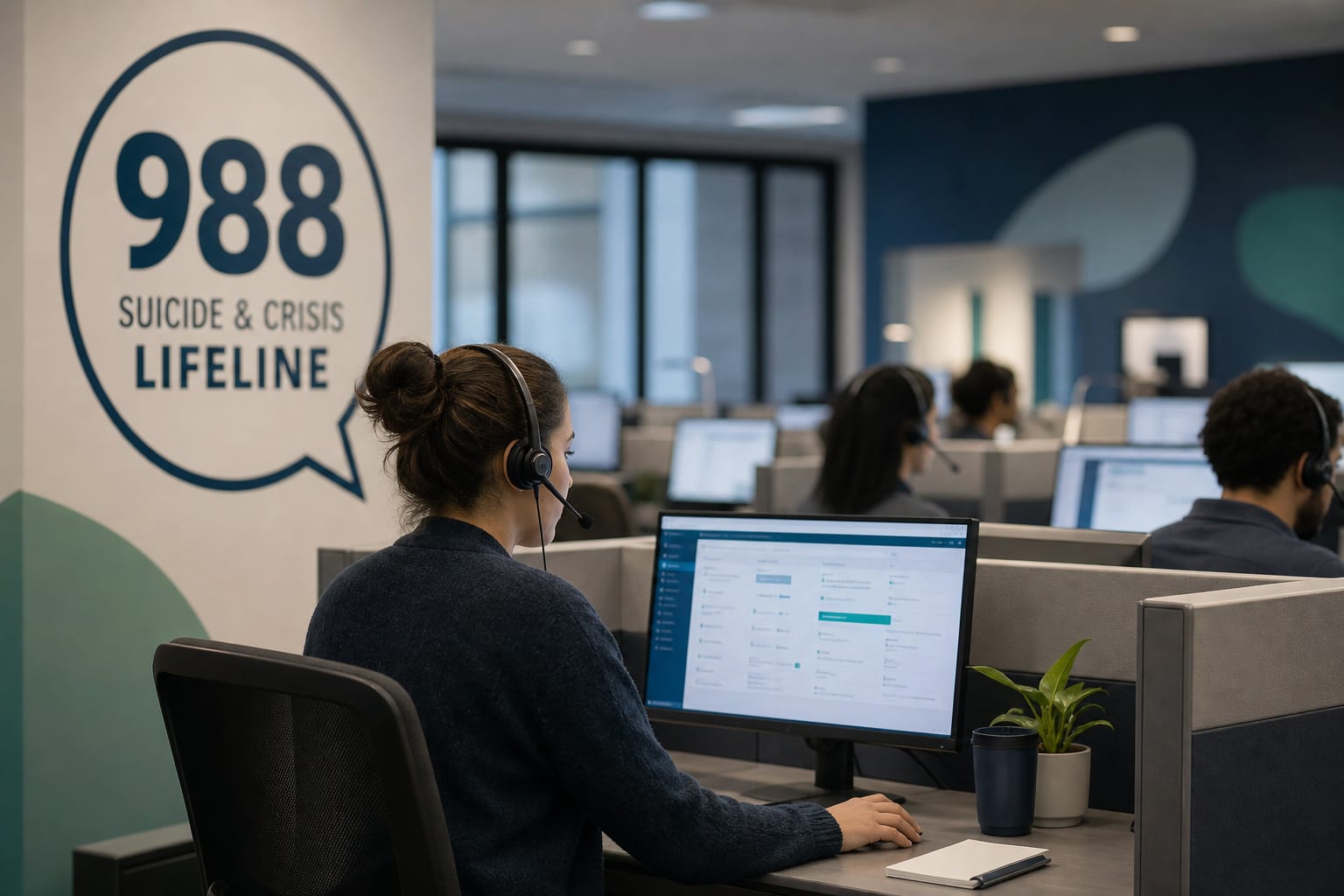
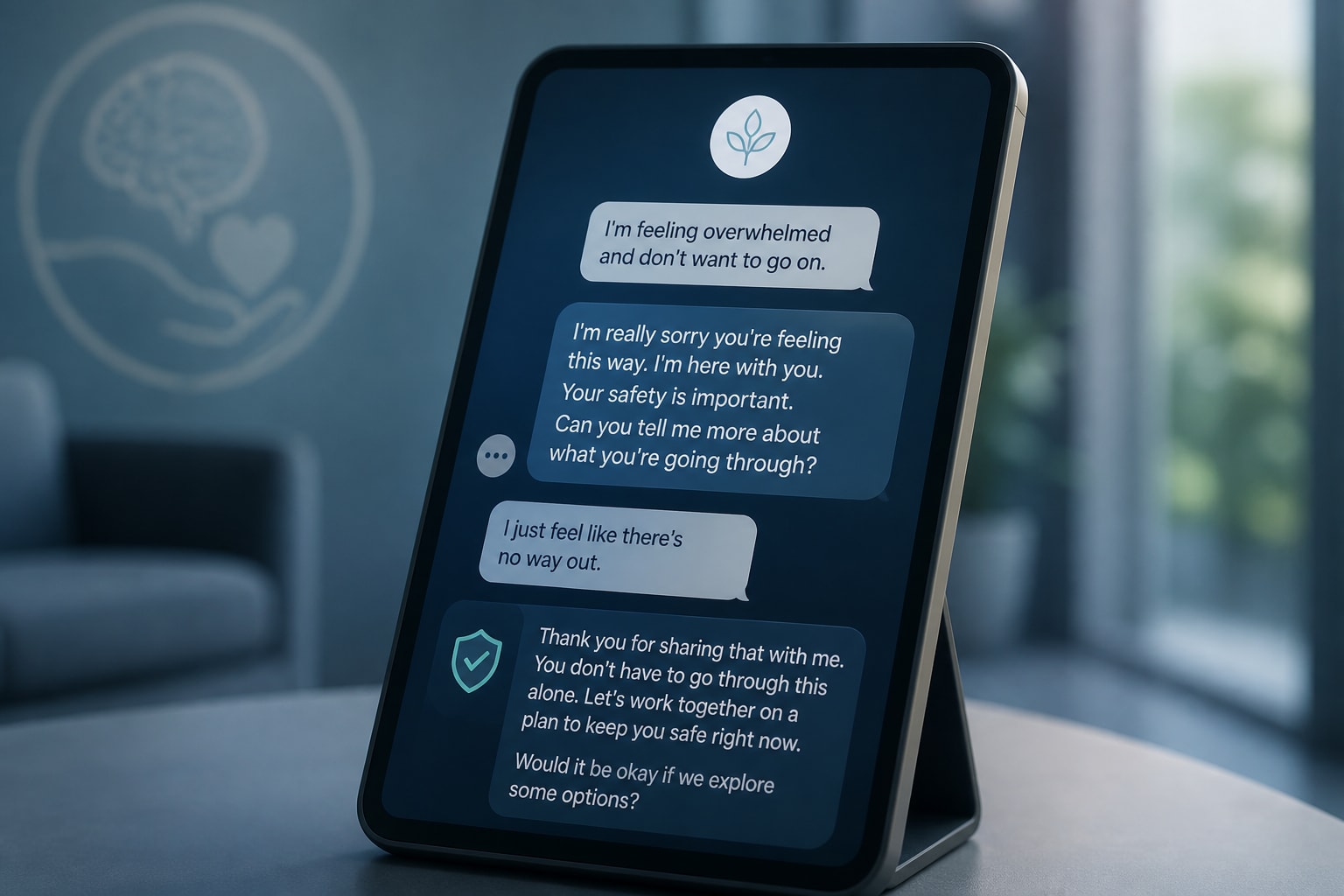
- Crisis Hotline Overview: The 988 crisis hotline connects users to over 200 local and state-funded crisis call centers for counseling and resources, addressing rising suicide rates and substance use challenges.
- Demand Analysis: As of March 2026, demand for 988 has risen significantly, with a 15% increase in contacts compared to the previous year and nearly 50% higher than two years ago.
- Funding Challenges: Many states face funding challenges, with few adopting dedicated telecom fees to support 988 services, leading to reliance on varying funding mechanisms.
- Outcome Data: Research indicates a modest decline in suicide deaths, particularly among non-firearm suicides, and improved outcomes for certain populations since the launch of 988.
Key Findings:
- 988 received 23.3 million contacts since its launch, including 15.8 million calls, 4.2 million texts, and 3.4 million chats.
- 26 states now answer at least 90% of calls in-state, up from 8 states before 988's launch.
- Suicide deaths declined modestly in 2024, particularly among non-firearm suicides, while firearm suicides have risen.
- Emergency department visits for suspected suicide attempts decreased by about 7% in 2025 compared to 2021.
Interpretation:
While 988 has improved access to crisis services and shown some positive outcomes, sustaining its capacity and funding remains a concern.
Limitations:
- Uneven funding across states may affect call center operations and staffing, with many call centers reporting staffing shortages.
- Limited participation in the 988 network by hotline call centers, with fewer than half of all hotline call centers participating.
Conclusion:
988 has reached more individuals and shows early signs of improving suicide-related outcomes, but ongoing challenges in funding and capacity may hinder its effectiveness.
Based on findings from:
988 Enters Its Fourth Year as Demand Grows and the Mental Health and Substance Use Landscape Shifts
Heather Saunders. Kaiser Family Foundation, 2026.
https://www.kff.org/mental-health/988-enters-its-fourth-year-as-demand-grows-and-the-mental-health-and-substance-use-landscape-shifts/
This content is an AI-generated, fully rewritten summary based on a published scholarly article. It does not reproduce the original text and is not a substitute for the original publication. Readers are encouraged to consult the source for full context, data, and methodology.